Tag: stress management

  • 8 Ways To Prevent Mental Decline In Your Older Years

    8 Ways To Prevent Mental Decline In Your Older Years

    There has been a lot of research over the years about the best way to keep a healthy brain as we advance in years. There has been a lot of focus on the health and lifestyle decisions we make that could prevent mental decline and even dementia.

    There are plenty of steps you can take to maintain your cognitive function and beat the mental decline.healthiermind



    1. Get Organized

    journalingissexy
    Living an organized life will make it easier to remember where things are- everything should have it’s place. So, when you arrive home from a long day put your keys in the same place, keep your handbag or wallet in the same spot, and the same goes for the everyday items you use. It’s easy to remember where things are when you always keep them in the same place.


    2. Concentration
    The ability to concentrate declines as we age. It is important to decrease or eliminate distractions to improve your ability to concentrate on the task before you. Seniors need to work harder to shut out distractions. Such as when you open the refrigerator door and you have completely forgotten why you are in there or walking through the grocery store and cannot remember what you came to get. This occurs because something else popped into your brain just as you reached for the handle. Be sure to take a list when going to the grocery store. Too many choices can create distraction and cause you to forget what you came for or make it home with items you really did not need.

    Short term memories are particularly susceptible to slipping away due to distraction. So, start making an effort to focus and concentrate now.

    Studies have shown attention training can alter brain activity, so the aging population can learn to block out distractions in order to improve concentration. There are a growing number of activities, from crossword puzzles to Sudoku, promoted as ways to keep our minds young, Attention training is indeed a way to reduce older adults susceptibility to distracting stimuli and improve concentration.


    3. Challenge Yourself
    Find new ways to challenge your mind. That means playing word games, challenging a loved one to a game of chess, leading an active social life, and learning a new skill such as a language, cooking or playing an instrument.

    Not only will you feel better about yourself, but your brain will get an excellent workout. The social aspect of this is also important, so try to get a lot of your game challenges in person or use a game that has a chat function that allows you to communicate with the person you’re playing against.

    According to Alzheimers.net, one of the most effective ways to prevent dementia is by learning a new language.


    4. Manage Stress
    Short term stress may leave you more focused, sharper, and able to pay more attention. However, chronic stress has the opposite effect and it can interrupt your ability to form memories and recall information.

    Healthy stress management is imperative.

    stressmanagement


    5. Eating Habits
    Your diet is vital, which means getting plenty of vitamins and minerals. Ensure you’re loading up on antioxidants and brain foods like folic acid and omega-3 fatty acids. Your diet can improve your brain health.

     

    brainfood


    6. Exercise
    Getting exercise provides your circulation with a healthy boost and even improves your cholesterol levels, both of which can benefit your cognitive abilities and circulation.

    It isn’t just your body that needs exercise – so does your memory. You can do that by playing memorization games (you’ll find there’s an app or two for that). A great place to start is by finding a good brain training app that you can use daily – from there you can invest in other apps that offer word games (even Scrabble is a great choice) and number puzzles.exerciseforthebrain

    Change it up every once in a while, so you don’t get used to the same tasks.

    Your brain needs variety.


    7. Sleep
    Your brain processes your day while you sleep, it’s when it consolidates memories and reboots. So, you can do your cognitive function a major favor by getting plenty of sleep each night.

    Create healthy routines around bedtime to prepare your body to catch seven hours.


    8. Weight
    Maintaining a healthy weight is important, additional weight puts pressure on your heart, contributes to hardened arteries, which just makes it harder for your heart to function properly.
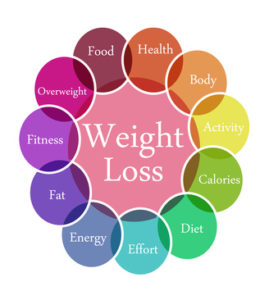
    weightlosshabits
    Learning good habits to prevent weight gain

    Obesity often leads to diabetes, which has its own role in your heart health and the health of your nerve cells. So, it makes sense then that people carrying more weight experience steeper mental decline.


    Time points to a study from Northwestern University, the study looks at almost 9,000 women, aged 65 to 79, and found that with every increase in BMI there was a decrease in memory (http://content.time.com/time/health/article/0,8599,2003862,00.html).

    This may be due to a lack of blood flow in smaller vessels creating essentially, mini-strokes that go completely undetected. The damage is cumulative, thus affecting our capabilities progressively.

  • Better Heart Health With 6 Simple Tips

    Better Heart Health With 6 Simple Tips

    Better heart health does not happen over night or without some effort.

    If you strive for better heart health, and we all should, there are some decisions you can make to get you started on the path to better heart health and decrease your risk of heart attacks, strokes and peripheral vascular disease.

    betterhearthealth


    The following are 6 tips you can do today to boost your heart health, so you don’t fall victim to heart attacks, strokes, or peripheral vascular disease:

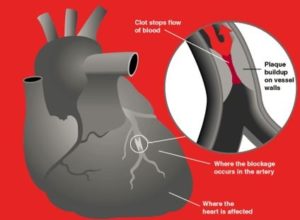
    coronaryarterydisease
    Coronary Artery Disease


    1. Look through your pantry.

    There are things you can eat that will increase your risk for heart disease, just as there are things you can eat that will reduce your risk of heart disease.

    Check your pantry for foods that are high in cholesterol, such as meats, high fat dairy products, and certain processed foods.

    hearthealthydiet
    Heart Healthy Diet

    Processed foods are also high in bad fats, such as trans fats, although the US government has made progress in reducing trans fats in the foods you purchase. Look for foods that are high in dietary sugar and replace them with low sugar foods and foods that contain no sugar.

    Instead of red meat, you can choose fatty fish, which are high in omega 3 fatty acids, which are considered heart healthy.

    Instead of cakes and cookies, you can satisfy your sweet tooth with whole fruits, which are high in dietary fiber and antioxidants, which have health benefits you can’t get through eating low fiber, high sugar foods.

    2. Start an exercise program.

    This means getting off the couch and getting out there to do some form of aerobic exercise. Aerobic exercise is particularly good at increasing your heart rate, increasing your respiratory rate, and lowering your blood pressure.

    You should aim to exercise in an aerobic exercise about 30 minutes per day on most days of the week.

    toolsforbetterhearthealth
    Tools For Better Heart Health

    Aerobic exercises you can do include brisk walking, running, jogging, using a stair-stepper, bicycling, and swimming. Swimming is especially good for people who want to exercise but cannot tolerate the wear and tear on the joints.

    You should also consider doing some kind of weight training about two days per week.

    Weight training tones muscles and increases your basal metabolic rate so that you can burn calories more effectively, even without exercising.

    You should make exercise a family affair so you can do things as a group and reduce all of your family’s risks of heart disease.

    3. Schedule a blood sugar screening.

    You can reduce your risk of heart disease by having your blood sugar checked for the presence of diabetes or pre-diabetes.

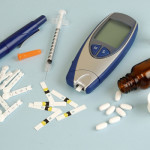
    bloodglucosemonitors
    Monitoring Blood Glucose

    Both conditions can be detected by doing a fasting blood test. Values of blood glucose that are between 100 and 125 on a fasting basis mean you have pre-diabetes and should follow your blood sugars more closely so you don’t develop diabetes mellitus.

    Fasting blood sugars of 125 or more mean you have diabetes and must do things like lower your blood glucose levels such as eat a low sugar diet, exercise, and take medications to reduce your blood sugar. Diabetes is a risk factor for heart disease but it is a risk factor you can reverse if you follow your doctor’s instructions.

    4. Schedule a sleep study.

    If you are told that you snore, you may be suffering from sleep apnea, which is a known risk factor for heart disease. When you have sleep apnea, you stop breathing during your sleep and wake up suddenly, gasping for air even though you don’t remember it in the morning.

    Sleep apnea will raise your blood pressure during the day, not to mention that it makes you tired during the daytime.

    If you are effectively diagnosed with sleep apnea and undergo treatment (which can mean using continuous positive airway pressure or CPAP, or make steps to reduce your weight), you can lessen your risk for heart disease and can have a better quality of life.

    5. Reduce your stress level.

    Stress will raise your blood pressure and your heart rate, both things that cause you to have an increased risk of stress on your heart.

    You can reduce stress by avoiding those things that cause you to be stressed and can learn the art of several stress-reducing practices, including meditation, yoga, tai chi, and qi dong.

    stressmanagement
    Stress Management for Better Health Health

    Some of these practices have more benefit to your body besides reducing stress, such as increasing flexibility, strength, and balance.


    6. Schedule a cholesterol check.

    Cholesterol in your bloodstream can cause a buildup of cholesterol-containing plaques that increase the risk of blood clots that can cause various types of heart disease.

    managingcholesterol
    Managing Cholesterol

    Know what your cholesterol should be and how to manage it.

    Your cholesterol test (Lipid profile) should reveal your total cholesterol, HDL cholesterol, LDL cholesterol and triglycerides. Your goal for total cholesterol should be less than 200.


    You can lower your cholesterol by eating foods low in cholesterol and saturated fats, or by taking medication that will lower your cholesterol level.

    Your total cholesterol is made up of the HDL (high density lipoprotein) and the higher the better. An HDL less than 35 is a risk factor for developing heart disease (coronary atherosclerosis). Aerobic acitivity, proper dieting, and medication will increase your HDL.

    Your LDL (Low density lipoprotein) is responsible for the development of hardening of the arteries. Over time the recommended levels have changed. If you have no risk factors for heart disease your goal should be to get your LDL less than 130. If you have 2 risk factors the goal should be less than 100. If you have diagnosed coronary artery disease your goal should be to get the LDL cholesterol less than 70. Obtaining this level usually will require medication such as the statin drugs.

    Triglycerides also are part of the lipid profile and your goal should be less than 150. Some people genetically have elevated triglycerides even if they do not suffer from obesity and diabetes. Exercise, weight loss, and dietary changes will help improve your triglyceride level. Watch your intake of fatty foods, red meats and dairy products.

    Now you have 6 tips for better heart health to take action on that will lower your risk of developing heart disease and the long term complications.

  • How To Manage Stress

    How To Manage Stress By Keeping Your Stress Levels In Check

    Why do we need to manage our stress levels?

    The following  are some of the complications that can occur when you fail to properly manage your stress levels:

    a weak immune system (trouble fighting infection)
    heart problems (myocardial infarction, coronary artery disease)
    acid reflux, heartburn (dyspepsia)
    high blood pressure (hypertension)
    migraines, headaches and backaches (tension headaches

    … chronic fatigue (lack of energy,feeling tired)
    diabetes (hyperglycemia, elevated glucose)

    The key is in keeping your cortisol levels in check.

    Cortisol, also known as the “stress hormone“, can have damaging effects on many of your bodily functions.

    We are living in a fast paced society with constant deadlines, crazy schedules, a fast-paced society and not enough hours each day to accomplish every single task.

    All of your daily issues can lead to health complications if you do not keep your stress or cortisol levels in check.

    How to Keep Your Cortisol Level in Check

    The following are 2 ways cortisol levels may rise in your body.

    When your mind triggers a “fight or flight” response to something that is going on in your life, cortisol is produced. When your cortisol levels are high, your cardiovascular and respiratory health begins to decline immediately. As you can see from the list above, multiple bodily functions can be affected in a negative manner.

    Cortisol is also naturally present in higher levels in certain foods.

    So whether your stress comes from an outside source, or you get too much cortisol in the foods you eat, you can suffer the consequences of being anxious and stressed-out.

    Decrease your intake of foods known to contain high levels cortisol or cause your body to produce increased cortisol levels.

    Here’s how to keep your cortisol levels where they need to be:

    Cut back on chewing tobacco and smoking cigarettes.

    Limit your caffeine intake. This means fewer coffees, soft drinks and energy drinks, especially those which are loaded with sugar.

    Cut back on the number of starchy carbohydrates in your diet. This means eating fewer foods like potatoes, french fries, bread, potato chips and pizza.

    Exercise regularly, get plenty of rest and keep hydrated. Remember that during exercise, cortisol does spike naturally, so when you are through working out, enjoy some “recovery based” physical activities such as yoga, pilates, or simply take a relaxing walk.

    You can also practice mindfulness meditation and visualization to control your stress levels.

    Tell yourself that when you see a stressful situation arising, you will respond to it in a calm manner.

    Visualize yourself relaxed and peaceful, recognizing the stressful event, but not giving into it.

    For the best chance of keeping stress in check, combine several of the successful stress-relief tips listed above for a calm, low-anxiety response to life’s stresses and strains.

Copyright @ 2017 DrCurtisMcElroy