Tag: kidney disease

  • Kidney Health

    Nearly 80 million individuals in the United States alone are at high risk of kidney disease due to the coexistence of other medical conditions such as high blood pressure and diabetes. Of those 80 million high-risk individuals, 30 million proceed to develop kidney disease.


    The other unfortunate fact is that many who have chronic kidney disease don’t even know they have it. Most people never even consider the health of their kidneys until they find out that they have kidney disease.


    These issues make it imperative to strive for better health by improving lifestyle through diet and exercise and prioritizing regular medical check-ups with a primary care provider.


    In what follows, we’ll be detailing the characteristics of kidney disease, its main causes and risk factors, as well as the primary mechanisms available to manage and even prevent kidney disease altogether.


    Characteristics of the Kidney and Kidney Disease


    The primary function of the kidneys is to filter and cleanse the blood of toxins and waste and pass those products on to be excreted by urination. The kidneys produce over a liter of urine per day from filtering through about 200 liters of fluid per day.


    The kidneys also play a major role in the regulation of hormones that have effects on blood pressure. Other kidney functions include the control of red blood cell production and vitamin D production.


    When the kidneys become damaged, their ability to function efficiently becomes impaired, and  several signs and symptoms can occur, including:


    • Nausea and vomiting
    • Muscle spasms and cramps
    • Swelling of the extremities
    • Dry skin
    • Fatigue
    • Shortness of breath
    • Irregular urination
    • Loss of appetite


    Main Causes of Kidney Disease


    The two primary causes of kidney disease are high blood pressure and diabetes. Both conditions can have major effects on the kidneys.

     High Blood Pressure

     High blood pressure is of primary concern to the health of the kidneys because it directly affects the flow of blood to the kidneys and causes damage to the kidney tissue, thus impairing their normal function. With a lack of fluid filtering, impaired kidney function is likely to further exacerbate the cycle, increasing high blood pressure even more.

    Diabetes

    In the condition of diabetes, individuals who do not maintain good control of their blood sugar will spend prolonged periods of time with elevated blood sugar. High blood sugar or hyperglycemia will cause an increased amount of blood flow into the kidneys. This increased blood flow causes damage to the kidney blood vessels, and they will begin to leak more protein into the urine. This extra protein will cause the filtration system in the kidneys to stop working well, and eventually, the kidneys will fail.

    Prevention of Kidney Disease

    Since the known main causes of kidney disease are diabetes and high blood pressure, it follows that the effective method to prevent kidney disease is to prevent high blood pressure and diabetes.

    Some things are indeed unavoidable, and family history and genetic predisposition to high blood pressure and diabetes can make it difficult to prevent these conditions and prevent their complications. Yet so many individuals do nothing actively to achieve the best possible health they can.

    The other truth is that making efforts to achieve good health and working to prevent or improve the status of medical conditions such as high blood pressure and diabetes can significantly decrease the risk of kidney disease. These efforts also can help keep mild kidney disease from turning into severe kidney disease.


    For those who have normal blood pressure levels yet who want to avoid the potential for its exacerbation, it’s imperative to prioritize lifestyle factors such as diet and exercise. Understanding that obesity and high sodium intake are strongly correlated with the development of high blood pressure, the action to take is to consume a diet lower in sodium and partake in weight-loss activities.

    For those who already live with high blood pressure, measures can still be taken to manage or even reverse the presence of high blood pressure. These measures also include lifestyle factors such as diet and exercise.

    Type 2 diabetes, though of major concern to the development of kidney disease and other health complications, can also be managed well and potentially reversed. The most effective action is weight loss and diet, but, if necessary, optimum medical management of blood sugar can also be preventative of the complication of kidney disease.

    Final Thoughts


    Kidney disease will often worsen if not managed well, and this can lead to end stage renal disease. It’s good to know that a strong effort to make changes in lifestyle and to develop appropriate diet and exercise and weight management can prevent the disease from ever occurring.

    If you do the things necessary to prevent either diabetes or high blood pressure, then healthy kidneys are the likely outcome.

    Laboratory Testing for Preventative Health   

    Title: Laboratory Testing for Preventative Health

    __________________________________________________________

     In order to detect early disease and implement timely interventions, it’s imperative that individuals schedule and partake in regular medical check-ups with a primary care provider for routine testing and examination.

    While the testing needed will vary depending on an individual’s age, current health status, and various risk factors, screening laboratory testing is such a useful tool in medical management for the individual and primary provider. Although it will ultimately be up to the provider’s discretion as to what type of laboratory testing is needed, it’s very important that the individual be proactive in seeking and inquiring about such testing.


    In what follows, we’ll be discussing about basic laboratory testing, particularly for preventative medicine. Further, we’ll discuss some of the various standard types of laboratory screening tests for prevalent health conditions such as heart disease, diabetes, and certain cancers.

    Basic Types of Screening Laboratory Tests

    Laboratory testing helps to contribute significantly to the improvement and betterment of an individual’s health by providing critical information in the management and prevention of disease.

    Testing is so useful for establishing patterns and monitoring health. For example, if a new health condition develops, the timing of onset can be better determined with regular testing. In addition, further testing will help monitor how effective a treatment for a specific illness is.


    From neonatal screenings all the way to geriatric and palliative care screenings, laboratory tests continue to aid the care of individuals throughout the healthcare system.

    The following are some examples of the types of laboratory tests used in preventative health:


    • Cholesterol and Lipid Profiling for Heart Disease
    • HbA1c for Diabetes
    • PSA for Prostate Cancer

    Cholesterol and Lipid Profiling

    Heart disease is the most prevalent health condition in the United States, causing over 650,000 deaths annually in the United States alone. Cardiovascular disease is also characterized as the leading cause of death globally.


    Because of its prevalence rate, heart disease should be evaluated by any helpful method, and blood test screening has proven very useful over recent years. Since high cholesterol and lipid levels have a correlation with heart disease, monitoring these tests is prudent in determining an individual’s risk.


    A lipid panel includes total cholesterol, high-density lipoprotein (HDL) cholesterol, low-density lipoprotein (LDL) cholesterol, and triglyceride levels. Studies have shown that over time, higher levels of HDL’s and lower levels of LDL’s correlate with a healthy heart.


    HbA1c


    According to the American Diabetes Association, nearly 12% of the United States population alone has diabetes, whether diagnosed or not. To quantify the statistic, that’s about 37 million individuals, and the number is increasing. It’s likely that without screening testing, this statistic would be exacerbated.


    In order to detect whether a patient might be developing diabetes or is at risk of developing the condition in the future, knowledge of an individual’s current and recent blood sugar levels is necessary. HbA1c, or hemoglobin A1c, is a diabetic test that effectively measures the average blood sugar levels in an individual over the past 2-3 months.


    Knowing this information gives a clinician helpful information to determine whether an individual is at risk or is currently developing diabetes. The provider can then make recommendations on management of blood sugar control and perhaps implement methods to try to improve or even reverse the condition. Such measures are likely to include dietary changes or possibly medications depending on the data.


    Finally, the test will also act as an accurate predictor for year-round difficulties that individuals have with blood sugar levels and can help identify the times when an individual must make more effort to manage their diet better.


    PSA


    Prostate cancer is the most common form of cancer in men globally, affecting nearly 300,000 men in the United States annually. 1 in 8 men are predicted to have a diagnosis of prostate cancer in their lifetime.


    A PSA Test, or Prostate-Specific Antigen Test, is a laboratory test widely used among those with a family history of prostate cancer. The test itself measures a specific protein in the blood that’s produced by tissue in the prostate that can potentially be cancerous.


    While this test is beneficial when used in the right context, its statistical variation must be considered. Although a rise in PSA levels may be associated with prostate cancer, it can also be a result of normal age or of another condition unrelated to cancer.


    However, PSA levels can be a helpful guide if monitored over a significant period of time. If levels change at some point, it’s appropriate to investigate further and consider additional evaluation for the possibility of prostate cancer.


    While other tests like the CA125 Test for Ovarian Cancer and the Carcinoembryonic Antigen Test for Colon Cancer play an important role in monitoring existing cancer, they aren’t preventative screenings and should not be used as such.


    Final Thoughts


    Preventative health laboratory testing is quite valuable in monitoring and helping to prevent disease and optimize health.


    These tests allow for proactive measures by healthcare professionals to help diminish the prevalence rates of certain diseases. The more tools that can be utilized for optimum health screening, the better our overall health can be.


    Premium Medical Content Piece #6 Keywords

    Main Keywords

    Medical Screening Testing for Preventative Health

    Supporting keywords   

    Common Types of Screening Tests

    H1 Title: Medical Screening Testing for Preventative Health

    SEO Title

    (50-60 characters): Medical Screening Testing for Preventative Health

    Meta Description (160 characters): Screening tests play an integral role in the monitoring, diagnosing, and preventing of the most common medical conditions. In the best of circumstances, screenings tell an optimistic story of excellent health.

    The marked highlights are for backlinking to specific content pieces in this same package.

    Highlight 1:  Content Piece #10


    Premium Medical Content Piece #6

    Title: Medical Screening Testing for Preventative Health

    __________________________________________________________


    No matter the medical condition, the best medicine of all is prevention. While many common medical conditions can be prevented by simply being proactive with lifestyle interventions such as diet, exercise, and the elimination of unhealthy habits, it remains imperative to stay consistent with regular doctor or medical provider checkups and screenings. The importance of remaining consistent with screenings is important for all ages, especially for those in the aging population.


    In what follows, we’ll be detailing many of the most common screening tests for common medical conditions such as heart disease, colon cancer, breast cancer, lung abnormalities, and other health-related conditions.


    Common Types of Screening Tests


    Screening tests play an integral role in the monitoring, diagnosing, and preventing of the most common medical conditions. In the best of circumstances, screenings tell an optimistic story of excellent health. In other circumstances, screenings may provide early detection of a medical condition, another overall optimistic outcome.


    Failure to obtain regular screenings, however, simply leaves your health to chance, which leaves no opportunity for improvement of any health condition.


    Below are some of the most common types of screening tests for common medical conditions:


    • Cologuard
    • Colonoscopy
    • Fecal Occult Blood Test
    • Pap smear
    • Mammography
    • Stress Test
    • Chest X-Ray and EKG Screening
    • CBC and CMP Lab Tests


    Cologuard


    A Cologuard test, which is an increasingly more common screening test, seeks to identify or trace any signs of precancerous or cancerous polyps of the colon. It is a much less invasive test than a colonoscopy, which is an examination of the large intestine and rectum. A Cologuard screening test is a stool test that detects alterations in the DNA of cells from the inner lining of the colon.


    With colon cancer being defined as the third most common cancer in America by the American Cancer Society, it’s important to obtain regular colon screenings, whether through a Cologuard test or colonoscopy.


    Colonoscopy


    An extremely common and effective screening test, a colonoscopy is a procedure that looks for the presence of colon irregularities such as swelling, irritation, polyps, or other lesions.

     

  • What You Need To Know About Taking Control Of Diabetes

    Need To Know About Taking Control Of Diabetes

    Good health is a fine balancing act that involves a range of bodily systems and functions. If something goes wrong with one of these systems, poor health can result. In some cases, the condition can be serious – even life-threatening.

    diabetes
    Diabetes


    The American Diabetes Association’s most recent set of statistics, for 2012 (compiled in 2014), shows that more than 9% of the population has diabetes, but up to 25% are not diagnosed.

    More than 25% of seniors over 65 have diabetes.

    In addition, over 86 million Americans have what is termed pre-diabetes, an increase of more than 14% since the previous statistics for 2010.

    Hispanics and African-Americans are two to three times more likely than whites or Asians to develop diabetes.

    Link for more information:

     http://www.diabetes.org/diabetes-basics/statistics/

    The more you learn about diabetes, the better you can learn how to prevent diabetes. Or, if you can’t prevent it, the better you can cope with the symptoms and avoid the many serious complications that can result from diabetes.

    There are three main types of diabetes:

    diabeteseducation
    Diabetes Education

    Type 1, Type 2, and gestational diabetes

    The last one is diabetes which arises when a woman is pregnant.

    Gestational diabetes can be treated like Type 1 diabetes.

    Let’s look first at Type 1 diabetes.

    What Is Type 1 Diabetes?

    Type 1 diabetes is triggered when your immune system destroys cells in your pancreas called beta cells, which produce the hormone insulin. Type 1 diabetes is an autoimmune disorder; that is, your body is attacking itself and destroying its own tissue.

    Secondary type 1 diabetes can occur when a virus or something else damages the insulin producing beta cells of the pancreas.

    Type 1 diabetes used to be referred to as juvenile diabetes because it was most common in young people. However, anyone can develop secondary diabetes at any age.

    In addition, children as young as toddlers have now been diagnosed with Type 2 diabetes, so it is important to get an accurate diagnosis as quickly as possible of which type of diabetes you or a loved one are suffering from in order to get the right treatment.

    In the case of Type 1 diabetes, it is usually very obvious when someone is ill because there are clear signs and symptoms, some of which may manifest as a medical emergency due to hypoglycemia, that is, low blood sugar. The opposite is hyperglycemia, high blood sugar. It is important not to confuse these terms when dealing with diabetes.

    Hypoglycemia, low blood sugar, is dangerous because the  cells of your body need to use the food you eat as fuel. Insulin is an important hormone that helps move the sugar, or glucose, into your cells to keep you functioning normally. A lack of insulin can lead to collapse, diabetic coma, and in extreme cases, death.

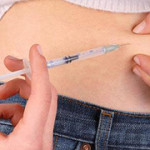
    Synthetic insulin is used to treat those with Type 1 diabetes.

    Since those with Type 1 diabetes produce no insulin of their own, they need to get it through injection or another delivery method.

    Many doctors recommend insulin pumps be implanted so the person with Type 1 diabetes will have a steady stream of insulin at all times. In this way they will not be affected badly if they do not take their insulin dose on time, or take an incorrect dose.

    Pumps may be a good option for those who do not like to give themselves insulin injections. They are also a good solution for young people who might not be able to handle a complicated self-care routine by themselves.

    Injectable insulin is the most common kind. Insulin types range from rapid-acting to long-acting, so it is important to pay attention to the treatment regimen your doctor prescribes.

    Another option is inhaled insulin, though not enough research has been done on it as of yet to determine exactly how effective it is compared with other insulin delivery options.

    The Symptoms of Type 1 Diabetes include:

    depressionanddiabetes
    Mood and Diabetes

    * Always feeling thirsty
    * Increased hunger, especially after eating
    * Dry mouth
    * Nausea and vomiting
    * Pain in your belly
    * Frequent urination
    * Unexplained weight loss, even though you’re eating and feel hungry
    * Fatigue (weak, tired feeling)
    * Blurred vision

    Signs of an emergency with Type 1 Diabetes include:

    * Shaking and confusion
    * Rapid breathing
    * A fruity smell to your breath
    * Pain in your belly
    * Loss of consciousness, though this is rare

    Type 1 diabetes is not currently preventable; however, there are many things you can do to properly manage it.

    To appropriately manage your type 1 diabetes you need to follow your drug treatment plan, eat right, exercise, be vigilant about weight gain and avoid getting dehydrated.

    If you get sick with flu or other common illnesses, you will also need to be extra careful, because nausea, vomiting, or not feeling like eating meals and/or becoming dehydrated can all lead to glucose imbalances.

    If you suspect you or a loved one has type 1 diabetes, don’t delay in seeking treatment.

    The sooner you start the appropriate treatment for diabetes the less likely you are to develop long term complications related to diabetes, such as neuropathy, kidney disease, eye disease, heart disease and strokes.

    Now we will discuss Type 2 Diabetes.

    What Is Type 2 Diabetes?

    Type 2 diabetes used to be called adult-onset diabetes, but now that children as young as toddlers have been diagnosed with it, it is clear that it can happen at any age.

    People with Type 2 diabetes produce the hormone insulin in the beta cells of their pancreas, but their cells are not able to use it as well as they should. This is termed insulin resistance. It can lead to a dangerous cycle of not being able to regulate the blood sugar as it goes higher and higher, a condition known as hyperglycemia.

    There are a number of causes of Type 2 diabetes; the good news is that many of them are ones which you can control.

    The following are the main causes of type 2 diabetes:

    Genetic

    It runs in family or there is an issue with your DNA that affects how your body makes insulin.

    Being overweight or obese

    obesityanddiabetes
    Obesity and Diabetes

    Being overweight can cause insulin resistance, especially if you carry your extra pounds around the middle. Termed a “spare tire,” or “waist roundness” by doctors, this is a warning sign of Type 2 diabetes. Losing weight can help get your diabetes under control, or even reverse it.

    Metabolic syndrome

    People with insulin resistance often have a group of related health conditions which are collectively known as metabolic syndrome.

    (Metabolic Syndrome includes the following conditions)

    * High blood glucose
    * Extra fat around the waist
    * High blood pressure
    * High cholesterol
    * High triglycerides, part of your cholesterol count

    Metabolic syndrome can be a sign that a person will develop diabetes if they do not get all of these factors plus their weight under control.

    The good news is that all of these can be relieved to a large degree by smarter eating habits.

    Fatty liver disease

    A fatty liver is one with more than 10% of fat as part of its mass. The fat stops the liver from working properly.

    Studies have shown that those with fatty liver are more likely to develop Type 2 diabetes within five years of being diagnosed than those with a normal liver.

    Link for more information:

    http://www.webmd.com/diabetes/news/20110225/fatty-liver-may-be-linked-to-diabetes-risk

    There are two main types of fatty liver disease:

    1. Alcoholic 

    2. Non-alcoholic.

    Reversing fatty liver disease is possible by stopping alcohol consumption, losing weight, and watching your diet.

    Damaged beta cells of the pancreas

    If the cells that make the insulin send out the wrong amount of insulin at the wrong time, your blood sugar will get thrown off.

    High blood glucose can damage these cells also, leading to a vicious cycle of the blood glucose getting higher and higher, and damaging more and more beta cells. Tight glucose control can help.

    Bad signaling between cells

    Sometimes cells send the wrong signals or don’t pick up messages correctly. If these problems affect how your cells make and use insulin or glucose, it can trigger diabetes. You may not be able to do much about this, but tight glucose control and eating a sensible diet will certainly help.

    You may never know the exact cause of your diabetes, but your doctor will look at all of your test results to determine the underlying cause, if possible.

    They will consider the most common risk factors and come up with a plan as to how you can stay in balance with diabetes, or even reverse it through lifestyle measures and good glucose control.

    The symptoms of Type 2 diabetes can be similar to those of Type 1, but so mild you don’t always notice them. They don’t usually manifest as a medical emergency compared with Type 1 diabetes.

    In fact, about 8 million people who have diabetes don’t know it and as mentioned earlier, more than 86 million people in the US are pre-diabetic.

    It is important to note that women who have had gestational diabetes are two to three times more likely to get it during other pregnancies and at greater risk of developing Type 2 diabetes as they get older.

    The most common symptoms of Type 2 diabetes are:

    * Being very thirsty
    * Urinating a lot
    * Blurry vision
    * Feeling tingling or numbness in your hands or feet
    * Feeling tired all the time
    * Getting cuts and scrapes that don’t heal well
    * Yeast infections that you can’t get rid of
    * Increasing frequency of erectile dysfunction

    Type 2 diabetes may not show as a medical emergency, but it is a serious disease because it can lead to other serious health issues, including heart and blood vessel damage.

    This can result in:

    * Erectile dysfunction
    * Amputation of toes, feet, legs and so on
    * Kidney damage (diabetic nephropathy)
    * Eye problems (diabetic retinopathy)
    * Nerve problems (diabetic neuropathy)
    * Serious infections even from simple wounds

    Diabetes and its complications is the number seven cause of death in the US. It is the number two cause of limb amputation, after car and other serious accidents. Diabetes has a serious negative impact on quality and duration of life if you do not keep it under control.

    Fortunately, there is a lot you can do to stay on top of your Type 2 diabetes, including deal with the risk factors we discussed above that are preventable.

    There are a range of treatment options available as well, including insulin. Having said that, the good news is that not everyone with Type 2 diabetes needs to take insulin.

    There is an ever-growing range of medications used to treat diabetes and control blood glucose, such as metformin, Actos, Januvia and Byetta.

    Link – http://www.webmd.com/diabetes/diabetes-medications

    To stay healthy if you have Type 2 diabetes, it is important to manage your diabetes well to avoid complications.

    Some of the best ways to manage type 2 diabetes are:

    * Take your diabetes medications or insulin on time
    * Check your blood glucose levels regularly and map them on a chart
    * Eat right
    * Don’t skip meals
    * Keep track of what you eat and map it against your chart
    * Follow the dietary guidelines you will be given by the doctor
    * See your doctor regularly to check for early signs of any serious side effects
    * Exercise according to the guidelines your doctor will give you
    * Stop smoking – it will improve circulation to help you avoid diabetes-related amputations
    * Lose weight – some studies have shown that shedding as little as 20 pounds can actually reverse diabetes.

    Now that you know the most important facts in relation to Type 2 diabetes, it’s time to compare them side by side.

    Comparison of Type 1 and Type 2 Diabetes

    Key Differences:

    There are several key differences between the two main types of diabetes that it is important to be familiar with.

    Here is a summary of what you need to know.

    1. Type 1 Diabetes

    type1diabetes
    Type 1 Diabetes

    * An autoimmune disorder – This form of diabetes is an autoimmune disorder, that is, the body destroying its own organs and tissues.

    * An emergency – People often seek medical help because they are seriously ill from sudden symptoms of low blood sugar.

    * Hypoglycemia is a serious risk – low blood sugar is often the main issue.

    * Insulin is essential for managing this condition safely. Many will be offered an insulin pump to try to keep blood glucose levels steady and reduce the risk of wrong doses or missed doses.

    * Can’t be prevented.

    * Usually shows up in young people, which is why it used to be referred to as juvenile diabetes.

    * Can sometimes be triggered in a person of any age due to a severe virus.

    2. Type 2 diabetes

    * Type 2 used to be known as adult-onset diabetes, but it has now been diagnosed in children as young as toddlers.

    * Not an emergency – most people do not have symptoms before it is discovered.

    * Main issue is hyperglycemia, whilst Type 1 manifests as low blood sugar (hypoglycemia). In most cases, Type 2 will cause issues due to hyperglycemia, high blood sugar. The only exception will be if a Type 2 diabetic become hypoglycemic because they are not taking their medications correctly.

    * Insulin – Some use insulin, but it is not essential compared with Type 1.

    * Other drugs – There is currently a wide range of drugs available for dealing with blood glucose that do not involve insulin.

    * Regular testing will be required to stay in balance.

    * Can be prevented through healthy lifestyle choices. In some cases, it can even be reversed, such as through weight loss and a proper diet and regular exercise.

    jogging
    Jogging to Prevent Diabetes

    These are the main differences between the two, but it is important to note the primary similarities as well.

    All types of diabetes greatly increase a person’s risk of a range of serious complications. Although monitoring and managing the disease can prevent complications, diabetes remains the leading cause of blindness and kidney failure.

    It also continues to be a critical risk factor for heart disease, stroke, and foot or leg amputations.

    Now that you know how the three types of diabetes are similar and different, let’s look at effective self-care when you have diabetes.

    Effective Self-Care When You Have Diabetes

    As we have discussed, effective self-care is the foundation for staying health no matter what type of diabetes you have.

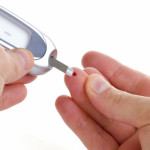
    Monitoring

    monitoringbloodsugar
    Checking Blood Sugar

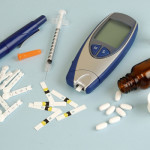
    1. Monitor your blood glucose at least three times a day
    2. Keep track of your readings on a chart
    3. Take your insulin and all medications on time
    4. Know exactly what each medication is and what it is supposed to do
    5. Make sure you know the potential side effects of each medication
    6. Discuss any questions or concerned with your doctor
    7. Don’t forget to mention any other medications you might be taking, such as:
    * Over-the-counter medicines
    * Prescription drugs
    * Vitamins and minerals
    * Herbal/natural remedies
    Many of these can interact with diabetes medications.

    Diet

    preventingdiabetes
    Preventing Diabetes with Diet

    * Follow your eating guidelines carefully
    * Monitor what you eat, such as in a journal
    * Cook more yourself – avoid restaurants, takeaway and convenience foods
    * Eat more fiber in vegetables and salads
    * Steer clear of empty calories, soda, juice, cookies
    * Eat fruit in moderation; use as a dessert
    * Learn a range of recipes for diabetics you can cook ahead and freeze so you always have safe, sensible choices you can take with you anywhere and eat any time you need a meal or healthy snack

    Exercise and Fitness

    * Exercise regularly
    * Avoid injury such as blisters
    * Lose weight
    * Take care of your overall health – watch out for colds and flu
    * Beware of any infections if you can’t seem to shake them

    Consider Natural Treatments

    Some of these natural remedies can be used safely in addition to your medications and other effective self-care options. Steer clear of anything that promises a diabetes “cure.” Always discuss any options you are considering with your doctor first.

    For complementary medicine, suggested herbs that have been studied and shown to be effective in relation to blood glucose control include:

    * Bitter melon
    * Cinnamon
    * Turmeric
    * Fenugreek
    * Aloe

    Aromatherapy

    These essential oils may not help blood glucose issues but they can be helpful in relation to skin conditions:

    * Lavender
    * Sandalwood
    * Tea tree

    Link for more information:
    Aromatherapy – http://spectrum.diabetesjournals.org/content/14/3/124.full
    Skin conditions – http://spectrum.diabetesjournals.org/content/14/3/124/T1.expansion.html

    And these essential oils can help for stress relief, which can help maintain overall wellness:

    * Lavender
    * Rose
    * Geranium

    Link for more information:

    http://spectrum.diabetesjournals.org/content/14/3/124/T3.expanson.html

    Stress Relief

    These methods can be very helpful in relieving stress:

    * Meditation
    * Biofeedback
    * Journaling
    * Joining a diabetes support group
    * Getting counselling
    * Massage therapy

    These can other be done at home on your own, or using coverage provided by many health insurance plans.

    Dealing with Depression/Anxiety

    Many people diagnosed with a severe illness might develop depression, thinking nothing will ever be the same again.

    Up to 75% of seniors with a serious medical condition can also suffer from depression.

    A new diagnosis can also trigger worry and anxiety about what will happen next, worst-case scenarios, and more.

    Seek help if you develop a mood disorder. Honest discussions with your health care providers, counselling, and/or joining a support group (in-person or online) can all help.

    Education and Research

    Above all, learn all you can about diabetes in order to discover what to look out for in relation to potential complications, so you can stay fit and well as long as possible despite your condition, or perhaps even reverse it.

    Use the free resources available online from reputable sites to find recipes, eating plans and more. You can also connect with others who have diabetes so you can share information with them about what has worked well and what you might be struggling with.

    Getting diagnosed with diabetes may make you feel as though you are the only person in the world that this has happened to. Unfortunately, you are one amongst millions with diabetes, and that number is growing all the time.

    Knowledge is power, so learn all you can about your type of diabetes and follow through with action steps that will keep you safe and well for as long as possible.

    Conclusion

    The three kinds of diabetes can have a significant impact on your health if you do not take steps to keep your blood glucose under control according to the guidelines your doctor will give you.

    There may not be much you can do about Type 1 diabetes, but good eating habits, keeping your weight down and exercising regularly can help with all three forms of diabetes.

    Above all, monitor your blood glucose no matter which type of diabetes you have. Take your insulin or other medications as needed to avoid hypo-or hyper-glycemia, and see what a difference it can make to your health.

  • The Effect High Blood Pressure Has on Your Body

    The Effect High Blood Pressure Has on Your Body

    If you have been told you have high blood pressure, you are probably wondering what effect it has on your body. High blood pressure that is untreated can result in many harmful effects on the body that can lead to many health problems.

    It is important to understand the basics of high blood pressure and how it can negatively impact your body.

    What Is Blood Pressure?

    Blood pressure is the force generated by your blood on the walls of your blood vessels when the heart beats and when the heart is relaxing.

    Your blood vessels are basically a set of interconnected tubes. The pressure of your blood flowing through them keeps them open. Much like your garden hose gets open and taut when filled with water, your blood vessels fill with blood.

    If your blood pressure is too low, blood cannot be transported properly to all the cells of your body.

    If your blood pressure is too high, your risk of  heart disease, stroke, kidney and eye problems goes up.

    It’s important to keep your blood pressure in the normal range for optimum health.

    When looking at your blood pressure readings, the bottom number or lower number is the pressure generated on the blood vessels when your heart is relaxing between beats.

    This lower number is called the diastolic blood pressure.

    Under most circumstances the ideal number for diastolic blood pressure is 70-80.

    The higher number is referred to as the systolic blood pressure and is generated by the pressure on the walls of the blood vessels when the heart contracts.

    The ideal number for systolic blood pressure is 120-130.

    Your healthcare provider can take your blood pressure using a special cuff and instrument called a sphygmomanometer. You can also find digital machines in pharmacies or purchase one yourself to keep at home.

    Ocassional elevation of your blood pressure is not usual.. Stress, infections, and activity can cause blood pressure to increase.

    Taking your blood pressure while at rest will give you a picture of your overall blood pressure. If your readings are  consistently high it is important that you see your healthcare provider, so they can recheck your blood pressure and determine if further intervention is needed.

    Breaking Down Blood Vessels

    Perhaps the greatest damage that high blood pressure does is to damage the vessels that move the blood around your body. This is a critical transport system that delivers oxygen and nutrients and takes away carbon dioxide and wastes.

    In particular, high blood pressure affects the arteries. These are vessels that take blood away from the heart to deliver oxygen and nutrition. They are under higher pressure than veins, which take blood back to the heart.

    Having constantly high pressure causes the cells that make up the inside of your blood vessels to become damaged. They can actually become hardened. You might think at first that this makes them stronger, but it actually makes them weaker.

    The tissue of the blood vessels needs to be elastic so that it can stretch when pressure increases and go back to its original shape when pressure decreases. But when arteries become hard, they can’t expand and contract.

    Then as you eat a diet that’s high in fats, those fats can collect in the hardened areas of the arteries and eventually cause blockages. Because this system delivers blood to all parts of the body, many parts of the body can get reduced nutrition and oxygen.

    Eventually blockages can lead to heart attacks – a condition where the heart doesn’t get enough oxygen and tissue actually dies. You can also become the victim of a stroke – bleeding in the brain that has the same result of tissue death.When arteries become weak, they can develop aneurisms. These are areas of weak walls in the arteries that bubble out. As they bubble out, they become stretched and unnaturally thin.

    Eventually these can burst and can be a cause of stroke. You can also bleed to death internally when an aneurysm bursts and there are often no symptoms that this is even happening until it’s too late to repair.

    If all this sounds pretty scary – it should. Heart disease and stroke are the number one killers of both men and women – higher than any cancers or other illnesses. This isn’t something to be taken lightly.

    Hurting Your Heart

    While we’ve discussed how heart attacks can happen when arteries are damaged, there are some other problems that high blood pressure can cause for the heart.

    When your heart is constantly under arterial high blood pressure, it has to work harder. This constant wear and tear on the heart can cause it to simply get weak and wear out.

    Even if you don’t have a heart attack, you can still suffer from heart failure. As the heart becomes weaker, it’s not able to pump nutrients and gases to the tissues and this begins to affect all systems of the body.


    If you have had a heart attack that’s damaged your heart, this progression into heart failure can happen even faster. This greatly increases your risk of future heart attacks and heart failure.


    You can also have problems specifically in the arteries that supply blood to your heart. These are called coronary arteries. They’re specialized in that they deliver blood from your heart back to your heart to provide it with oxygen and nutrients.


    If they become hardened or blocked, they can cause your heart to perform at a lower rate and even cause a heart attack. They can also cause you to have an irregular heartbeat or chest pain.


    Normally your heart is about the size of your fist, but when you have high blood pressure you can suffer from an enlarged heart on one side. The left side of your heart is responsible for delivering blood to the rest of the body.


    When you have high blood pressure this side can get harder and can also get larger. An enlarged heart is not as efficient as a heart that’s the normal size for your body. This can increase your risk of a heart attack and heart disease.


    Killing Your Kidneys


    Your kidneys are also greatly affected by having high blood pressure. These are actually the organs that regulate your blood pressure. They do that by decreasing or increasing the fluid in your blood.


    When you have high blood pressure, your kidneys can actually develop scars. Within your kidneys are millions of tiny blood vessels that become damaged when they’re exposed to constant high pressure.


    As they become scarred, they’re less able to do their job of filtering blood. This can cause your body to not be able to filter waste properly and can lead to kidney disease.


    You can also have an aneurysm in your kidney blood vessels. This type of aneurysm is very deadly because of how much blood travels through your kidneys – your entire blood supply passes through them. You could die from massive internal bleeding.


    Finally, you may develop kidney failure. Kidney failure is the inability of your kidneys to filter waste either because of damage to large or small arteries that deliver blood to them.


    When this happens you may have a buildup of toxins and have swelling due to increased body fluids. Over time you may require the process of dialysis. This is when blood is removed from the body and filtered in a machine then sent back to the body.


    Ultimately, when you have kidney failure you may need a kidney transplant. However, the list for this is very long and the poorer your overall health is, the less likely you are to get an organ transplant.


    Brain Damage


    High blood pressure is also very bad for the brain. As we already discussed, high blood pressure puts you at increased risk of stroke. The effects of a stroke can include paralysis, memory loss, and even death.


    However, there are other problems associated with high blood pressure. For example, people with high blood pressure are at a greater risk for dementia. This can be a result of not having enough oxygen being delivered to the brain.


    You can also have impairment to your brain that keeps you from being able to process information. The earlier you begin to have high blood pressure, the greater the damage will be as you age.


    Problems in the Bedroom


    One of the most common causes of erectile dysfunction in men is high blood pressure. High blood pressure affects all the blood vessels in the body and can decrease flow to the penis.


    But don’t think that you’re off the hook if you’re a woman. Women also rely on strong blood flow to the vaginal area for sexual arousal and satisfaction. It’s important to both sexes to keep blood flowing freely.


    In fact, treating high blood pressure often eliminates the need to take drugs such as Viagra for sexual dysfunction. Your best bet for good sexual health is good heart health.


    You can also have trouble sleeping. Studies note that high blood pressure and sleep apnea go hand in hand. Sleep apnea keeps you from getting enough sleep and actually puts you at risk for heart disease and other problems.


    Eye Opening Issues


    Your eyes are also very sensitive to changes in your blood pressure. The blood vessels of the eyes are very small and fragile and particularly vulnerable to damage from high blood pressure.


    When the retina is not supplied with blood correctly, it can become damaged. You can have blurred vision or even a complete loss of vision when blood pressure goes unchecked.


    You’re particularly at risk for this type of problem if you also have diabetes. Diabetes and high blood pressure greatly increase your risk of eye disease and loss of sight.


    You can also have blocked blood vessels leading to your optic nerve. This, too, can lead to permanent blurred vision and even blindness. It’s critical that you pay attention to your blood pressure to have good vision.


    Finally, problems with high blood pressure can lead to a buildup of fluid in your eye. This excess pressure can cause damage and scarring inside the eye and lead to permanent vision deterioration.


    Bad to the Bone


    You can even suffer from bone loss as a result of problems with your blood pressure. People with high blood pressure lose more calcium than those who have normal blood pressure.


    As calcium leaves the bones and enters the bloodstream, bones can be left weak and brittle. This increases your risk for osteoporosis and broken bones. In fact, most hip fractures in seniors are really a result of bone disease.


    While men can suffer from osteoporosis, women are generally more at risk after menopause. It’s important to keep track of your blood pressure and take corrective

Copyright @ 2017 DrCurtisMcElroy