Tag: heart health

  • Better Heart Health With 6 Simple Tips

    Better Heart Health With 6 Simple Tips

    Better heart health does not happen over night or without some effort.

    If you strive for better heart health, and we all should, there are some decisions you can make to get you started on the path to better heart health and decrease your risk of heart attacks, strokes and peripheral vascular disease.
    betterhearthealth


    The following are 6 tips you can do today to boost your heart health, so you don’t fall victim to heart attacks, strokes, or peripheral vascular disease:
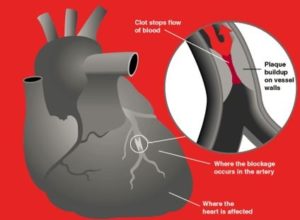
    coronaryarterydisease
    Coronary Artery Disease


    1. Look through your pantry.

    There are things you can eat that will increase your risk for heart disease, just as there are things you can eat that will reduce your risk of heart disease.

    Check your pantry for foods that are high in cholesterol, such as meats, high fat dairy products, and certain processed foods.

    hearthealthydiet
    Heart Healthy Diet

    Processed foods are also high in bad fats, such as trans fats, although the US government has made progress in reducing trans fats in the foods you purchase. Look for foods that are high in dietary sugar and replace them with low sugar foods and foods that contain no sugar.

    Instead of red meat, you can choose fatty fish, which are high in omega 3 fatty acids, which are considered heart healthy.

    Instead of cakes and cookies, you can satisfy your sweet tooth with whole fruits, which are high in dietary fiber and antioxidants, which have health benefits you can’t get through eating low fiber, high sugar foods.

    2. Start an exercise program.

    This means getting off the couch and getting out there to do some form of aerobic exercise. Aerobic exercise is particularly good at increasing your heart rate, increasing your respiratory rate, and lowering your blood pressure.

    You should aim to exercise in an aerobic exercise about 30 minutes per day on most days of the week.
    toolsforbetterhearthealth
    Tools For Better Heart Health

    Aerobic exercises you can do include brisk walking, running, jogging, using a stair-stepper, bicycling, and swimming. Swimming is especially good for people who want to exercise but cannot tolerate the wear and tear on the joints.

    You should also consider doing some kind of weight training about two days per week.

    Weight training tones muscles and increases your basal metabolic rate so that you can burn calories more effectively, even without exercising.

    You should make exercise a family affair so you can do things as a group and reduce all of your family’s risks of heart disease.

    3. Schedule a blood sugar screening.

    You can reduce your risk of heart disease by having your blood sugar checked for the presence of diabetes or pre-diabetes.
    bloodglucosemonitors
    Monitoring Blood Glucose

    Both conditions can be detected by doing a fasting blood test. Values of blood glucose that are between 100 and 125 on a fasting basis mean you have pre-diabetes and should follow your blood sugars more closely so you don’t develop diabetes mellitus.

    Fasting blood sugars of 125 or more mean you have diabetes and must do things like lower your blood glucose levels such as eat a low sugar diet, exercise, and take medications to reduce your blood sugar. Diabetes is a risk factor for heart disease but it is a risk factor you can reverse if you follow your doctor’s instructions.

    4. Schedule a sleep study.

    If you are told that you snore, you may be suffering from sleep apnea, which is a known risk factor for heart disease. When you have sleep apnea, you stop breathing during your sleep and wake up suddenly, gasping for air even though you don’t remember it in the morning.

    Sleep apnea will raise your blood pressure during the day, not to mention that it makes you tired during the daytime.

    If you are effectively diagnosed with sleep apnea and undergo treatment (which can mean using continuous positive airway pressure or CPAP, or make steps to reduce your weight), you can lessen your risk for heart disease and can have a better quality of life.

    5. Reduce your stress level.

    Stress will raise your blood pressure and your heart rate, both things that cause you to have an increased risk of stress on your heart.

    You can reduce stress by avoiding those things that cause you to be stressed and can learn the art of several stress-reducing practices, including meditation, yoga, tai chi, and qi dong.

    stressmanagement
    Stress Management for Better Health Health

    Some of these practices have more benefit to your body besides reducing stress, such as increasing flexibility, strength, and balance.


    6. Schedule a cholesterol check.

    Cholesterol in your bloodstream can cause a buildup of cholesterol-containing plaques that increase the risk of blood clots that can cause various types of heart disease.
    managingcholesterol
    Managing Cholesterol

    Know what your cholesterol should be and how to manage it.

    Your cholesterol test (Lipid profile) should reveal your total cholesterol, HDL cholesterol, LDL cholesterol and triglycerides. Your goal for total cholesterol should be less than 200.


    You can lower your cholesterol by eating foods low in cholesterol and saturated fats, or by taking medication that will lower your cholesterol level.

    Your total cholesterol is made up of the HDL (high density lipoprotein) and the higher the better. An HDL less than 35 is a risk factor for developing heart disease (coronary atherosclerosis). Aerobic acitivity, proper dieting, and medication will increase your HDL.

    Your LDL (Low density lipoprotein) is responsible for the development of hardening of the arteries. Over time the recommended levels have changed. If you have no risk factors for heart disease your goal should be to get your LDL less than 130. If you have 2 risk factors the goal should be less than 100. If you have diagnosed coronary artery disease your goal should be to get the LDL cholesterol less than 70. Obtaining this level usually will require medication such as the statin drugs.

    Triglycerides also are part of the lipid profile and your goal should be less than 150. Some people genetically have elevated triglycerides even if they do not suffer from obesity and diabetes. Exercise, weight loss, and dietary changes will help improve your triglyceride level. Watch your intake of fatty foods, red meats and dairy products.

    Now you have 6 tips for better heart health to take action on that will lower your risk of developing heart disease and the long term complications.

  • What Is a Low Cholesterol Diet?

    What Is a Low Cholesterol Diet?

    Has your doctor told you that you need to go on a low cholesterol diet? Or maybe you have some family history of heart disease or other problems and you want to start early to stay as healthy as you can for as long as possible.

    A diet of this nature is one of the best ways that you can eat to protect your heart. To eat this way simply means you’re watching that you eat. You’re actively limiting the bad fats – saturated and trans fat.

    Some foods that are high in saturated fat include egg yolks, butter, meat with skin on (example fried chicken with skin), lunch meats, bacon, cheese, whole milk and sweets (also referred to as junk food).

    Foods that are very high in trans fat are foods you’ll usually find that are quick and convenient to eat. These include fast food meals, especially foods that are fried or slathered in butter or margarine that’s easily spreadable (you’ll find these packaged in tubs). Quick-to-cook foods like frozen meals are usually high in trans fat, too.

    Going on a low cholesterol diet doesn’t mean that you have to give up eating the foods you love. You have to find a cooking style to make the same dish in a healthier way. You also have to find a way to add the foods that are good for you to your diet that help you fight high cholesterol.

    Foods that are good for keeping your cholesterol at a healthy level include beans, whole grains (if you eat white bread switch to wheat), fruit and vegetables. Look for margarine that contains sterol and stanols (these are plant additives) rather than trans fat. Learn to use olive oil instead of butter.

    Replace processed, sugary breakfast meals that are high in saturated and trans fat with foods like oatmeal. Not only is oatmeal good for the heart and good for lowering cholesterol, but it also contains plenty of soluble fiber.

    Eating fiber is a great way to control your appetite, which can lead to weight loss. Having a healthy weight is a way to fight back against bad cholesterol levels. Plus, soluble fiber works to lower cholesterol. Make sure that you add foods like bananas, onions and asparagus to your diet because they also help to win the war against bad cholesterol.

    When you’re on a low cholesterol diet, you want to watch the appearance of the meat that you get. The more white (often called ‘marbling’) that you see present in a cut of meat, the more fat it contains.

    Look for meats that have less of a marbled look to them. Make sure that you add fish to your weekly menu planning. Fish contains omega-3 fatty acids, which are known to lower cholesterol. Buy fish such as salmon, tuna, or trout to aid you in getting your cholesterol lowered.

  • The Effect High Blood Pressure Has on Your Body

    The Effect High Blood Pressure Has on Your Body

    If you have been told you have high blood pressure, you are probably wondering what effect it has on your body. High blood pressure that is untreated can result in many harmful effects on the body that can lead to many health problems.

    It is important to understand the basics of high blood pressure and how it can negatively impact your body.

    What Is Blood Pressure?

    Blood pressure is the force generated by your blood on the walls of your blood vessels when the heart beats and when the heart is relaxing.

    Your blood vessels are basically a set of interconnected tubes. The pressure of your blood flowing through them keeps them open. Much like your garden hose gets open and taut when filled with water, your blood vessels fill with blood.

    If your blood pressure is too low, blood cannot be transported properly to all the cells of your body.

    If your blood pressure is too high, your risk of  heart disease, stroke, kidney and eye problems goes up.

    It’s important to keep your blood pressure in the normal range for optimum health.

    When looking at your blood pressure readings, the bottom number or lower number is the pressure generated on the blood vessels when your heart is relaxing between beats.

    This lower number is called the diastolic blood pressure.

    Under most circumstances the ideal number for diastolic blood pressure is 70-80.

    The higher number is referred to as the systolic blood pressure and is generated by the pressure on the walls of the blood vessels when the heart contracts.

    The ideal number for systolic blood pressure is 120-130.

    Your healthcare provider can take your blood pressure using a special cuff and instrument called a sphygmomanometer. You can also find digital machines in pharmacies or purchase one yourself to keep at home.

    Ocassional elevation of your blood pressure is not usual.. Stress, infections, and activity can cause blood pressure to increase.

    Taking your blood pressure while at rest will give you a picture of your overall blood pressure. If your readings are  consistently high it is important that you see your healthcare provider, so they can recheck your blood pressure and determine if further intervention is needed.

    Breaking Down Blood Vessels

    Perhaps the greatest damage that high blood pressure does is to damage the vessels that move the blood around your body. This is a critical transport system that delivers oxygen and nutrients and takes away carbon dioxide and wastes.

    In particular, high blood pressure affects the arteries. These are vessels that take blood away from the heart to deliver oxygen and nutrition. They are under higher pressure than veins, which take blood back to the heart.

    Having constantly high pressure causes the cells that make up the inside of your blood vessels to become damaged. They can actually become hardened. You might think at first that this makes them stronger, but it actually makes them weaker.

    The tissue of the blood vessels needs to be elastic so that it can stretch when pressure increases and go back to its original shape when pressure decreases. But when arteries become hard, they can’t expand and contract.

    Then as you eat a diet that’s high in fats, those fats can collect in the hardened areas of the arteries and eventually cause blockages. Because this system delivers blood to all parts of the body, many parts of the body can get reduced nutrition and oxygen.

    Eventually blockages can lead to heart attacks – a condition where the heart doesn’t get enough oxygen and tissue actually dies. You can also become the victim of a stroke – bleeding in the brain that has the same result of tissue death.When arteries become weak, they can develop aneurisms. These are areas of weak walls in the arteries that bubble out. As they bubble out, they become stretched and unnaturally thin.

    Eventually these can burst and can be a cause of stroke. You can also bleed to death internally when an aneurysm bursts and there are often no symptoms that this is even happening until it’s too late to repair.

    If all this sounds pretty scary – it should. Heart disease and stroke are the number one killers of both men and women – higher than any cancers or other illnesses. This isn’t something to be taken lightly.

    Hurting Your Heart

    While we’ve discussed how heart attacks can happen when arteries are damaged, there are some other problems that high blood pressure can cause for the heart.

    When your heart is constantly under arterial high blood pressure, it has to work harder. This constant wear and tear on the heart can cause it to simply get weak and wear out.

    Even if you don’t have a heart attack, you can still suffer from heart failure. As the heart becomes weaker, it’s not able to pump nutrients and gases to the tissues and this begins to affect all systems of the body.


    If you have had a heart attack that’s damaged your heart, this progression into heart failure can happen even faster. This greatly increases your risk of future heart attacks and heart failure.


    You can also have problems specifically in the arteries that supply blood to your heart. These are called coronary arteries. They’re specialized in that they deliver blood from your heart back to your heart to provide it with oxygen and nutrients.


    If they become hardened or blocked, they can cause your heart to perform at a lower rate and even cause a heart attack. They can also cause you to have an irregular heartbeat or chest pain.


    Normally your heart is about the size of your fist, but when you have high blood pressure you can suffer from an enlarged heart on one side. The left side of your heart is responsible for delivering blood to the rest of the body.


    When you have high blood pressure this side can get harder and can also get larger. An enlarged heart is not as efficient as a heart that’s the normal size for your body. This can increase your risk of a heart attack and heart disease.


    Killing Your Kidneys


    Your kidneys are also greatly affected by having high blood pressure. These are actually the organs that regulate your blood pressure. They do that by decreasing or increasing the fluid in your blood.


    When you have high blood pressure, your kidneys can actually develop scars. Within your kidneys are millions of tiny blood vessels that become damaged when they’re exposed to constant high pressure.


    As they become scarred, they’re less able to do their job of filtering blood. This can cause your body to not be able to filter waste properly and can lead to kidney disease.


    You can also have an aneurysm in your kidney blood vessels. This type of aneurysm is very deadly because of how much blood travels through your kidneys – your entire blood supply passes through them. You could die from massive internal bleeding.


    Finally, you may develop kidney failure. Kidney failure is the inability of your kidneys to filter waste either because of damage to large or small arteries that deliver blood to them.


    When this happens you may have a buildup of toxins and have swelling due to increased body fluids. Over time you may require the process of dialysis. This is when blood is removed from the body and filtered in a machine then sent back to the body.


    Ultimately, when you have kidney failure you may need a kidney transplant. However, the list for this is very long and the poorer your overall health is, the less likely you are to get an organ transplant.


    Brain Damage


    High blood pressure is also very bad for the brain. As we already discussed, high blood pressure puts you at increased risk of stroke. The effects of a stroke can include paralysis, memory loss, and even death.


    However, there are other problems associated with high blood pressure. For example, people with high blood pressure are at a greater risk for dementia. This can be a result of not having enough oxygen being delivered to the brain.


    You can also have impairment to your brain that keeps you from being able to process information. The earlier you begin to have high blood pressure, the greater the damage will be as you age.


    Problems in the Bedroom


    One of the most common causes of erectile dysfunction in men is high blood pressure. High blood pressure affects all the blood vessels in the body and can decrease flow to the penis.


    But don’t think that you’re off the hook if you’re a woman. Women also rely on strong blood flow to the vaginal area for sexual arousal and satisfaction. It’s important to both sexes to keep blood flowing freely.


    In fact, treating high blood pressure often eliminates the need to take drugs such as Viagra for sexual dysfunction. Your best bet for good sexual health is good heart health.


    You can also have trouble sleeping. Studies note that high blood pressure and sleep apnea go hand in hand. Sleep apnea keeps you from getting enough sleep and actually puts you at risk for heart disease and other problems.


    Eye Opening Issues


    Your eyes are also very sensitive to changes in your blood pressure. The blood vessels of the eyes are very small and fragile and particularly vulnerable to damage from high blood pressure.


    When the retina is not supplied with blood correctly, it can become damaged. You can have blurred vision or even a complete loss of vision when blood pressure goes unchecked.


    You’re particularly at risk for this type of problem if you also have diabetes. Diabetes and high blood pressure greatly increase your risk of eye disease and loss of sight.


    You can also have blocked blood vessels leading to your optic nerve. This, too, can lead to permanent blurred vision and even blindness. It’s critical that you pay attention to your blood pressure to have good vision.


    Finally, problems with high blood pressure can lead to a buildup of fluid in your eye. This excess pressure can cause damage and scarring inside the eye and lead to permanent vision deterioration.


    Bad to the Bone


    You can even suffer from bone loss as a result of problems with your blood pressure. People with high blood pressure lose more calcium than those who have normal blood pressure.


    As calcium leaves the bones and enters the bloodstream, bones can be left weak and brittle. This increases your risk for osteoporosis and broken bones. In fact, most hip fractures in seniors are really a result of bone disease.


    While men can suffer from osteoporosis, women are generally more at risk after menopause. It’s important to keep track of your blood pressure and take corrective

Copyright @ 2017 DrCurtisMcElroy