Author: docmac

  • How Many Calories Per Day Should You Burn

    How Many Calories Per Day Should You Burn

    Looking to slim down, tone up, or just stay in good shape? If so, calories definitely need to weigh on your mind at least some of the time. While you may have once felt that diet and exercise was an uphill battle, once you understand the concept of calories in-calories out, things get a lot easier.

    If you’re trying to stay in good shape, you are probably watching what you’re eating and how much of it you’re consuming. You may also be looking at your activity levels and trying to determine if you need to be working out more. Here’s how you can figure that out.

    Calculate Your BMR

    Your BMR is your Basal Metabolic Rate. It can be calculated using multiple formulas set forth by science, and there are lots of free online calculators to help you do it in a snap. Basically, it will determine how many calories you are likely burning each day by simply living your life.

    Even as you sleep, your body is burning calories in order to fuel basic functions like breathing, cell rebuilding, and so on. Throughout the 24 hours in a day, these things can really add up, especially when coupled with movements you carry out in your daily routine. For example’s sake, let’s say your BMR is 1,600 calories.

    To maintain your current body, you’d need to match this need every day. In other words, 1,600 calories is your maintenance level. You’d need to eat 1,600 calories each day to replenish what your body has used up, thus resulting in a net result of 0. You haven’t taken in anything more or anything less than what you need. You should stay in the same shape you’re in so long as you maintain the same activity level.

    Calculate Your Goals

    Now, if you’re looking to lose weight or slim down, you’re going to have to burn more calories than you are netting each day.

    Using the above example, you need to either eat less and/or exercise more so that the end result is a negative number. That means that your body is required to take some calories out of reserves–your extra fat–in order to maintain your activity levels.

    In general, about 3,500 calories is equal on one pound. If you burn off 100 calories extra each day, it would take you 35 days to burn one pound of fat based on these numbers.
  • Chronic Insomnia And Your Health

    How Does Chronic Insomnia Affect Your Health

    Chronic insomnia can have greatly impacting effects on human health. It has been linked to many health problems such as depression, stroke, heart attack, obesity, diabetes and hypertension.

    Unfortunately, the damaging effects of chronic insomnia remain under-recognized by many people, including some medical professionals.

    The obvious symptom of insomnia is lack of sleep, or sleep deprivation. This is not a trivial symptom. When this is chromic, or sustained, the negative health effects are additive and compounding.

     The Under-Recognized Effects of Chronic Sleep Deprivation

    If a person suffers with insomnia, their lack of sleep can adversely impact their memory, thinking and learning skills. Research shows that people who are chronically deprived of sleep have been found to be measurably slower in accomplishing mentally challenging tasks.

    The ability to complete relatively ‘low-level’ tasks is even affected, as is co-ordination and any function that requires a level of judgement to undertake it. As far as efficiency goes, both speed and accuracy are affected.

    Experts from Walter Reed Army Institute of Research also revealed that chronic sleep deprivation can also affect an individual’s moral judgment.

    Once an individual’s cognitive and reactionary skills suffer from the impact of sleep loss, it also affects their ability to take the most appropriate action, especially in crucial situations. Part of the reason is that sleep deprivation impairs a person’s ability to properly evaluate and integrate emotion during the decision-making process.

    Sleep loss can also trigger migraine, anxiety, depression, irritability and other mental and emotional problems. Any or all of these symptoms will have damaging ongoing effects on all areas of a person’s life, including their work or school performance, personal and professional life.

    Effects of Partial Sleep Deprivation

    Researchers have stated that having only 4 or 5 hours of sleep each night is considered to be a case of partial sleep deprivation. This condition has been found to trigger the development of chronic inflammation in the body, which is a precursor to many diseases, including diabetes and heart disease.

    Partial sleep deprivation can also speed up the aging process. Certainly the visible signs usually attributed to aging are more apparent in those suffering from sleep deprivation!

    If you only get five or less hours of sleep each night, your body’s ability to absorb insulin can be impaired, thereby increasing your likelihood of developing insulin resistance and subsequently contracting type 2 diabetes. For those people who already have diabetes, sleep deprivation will only worsen the symptoms that they are experiencing.

    The Sad Truth about Self-Inflicted Sleep Problems

     What is even more troubling about some cases of chronic insomnia is that quite often it is caused by self-inflicted sleep problems.

    Unhealthy lifestyles are often a large component of the often complex factors which contribute to an insomnia problem. Stress, poor diet, too much alcohol and caffeine, not enough exercise – all this can add up to poor sleep.

    While it is tempting and easier to externalize the blame for insomnia, or attribute it to ‘health problems’ beyond your control, there are almost always steps that can be taken to at least mitigate the situation.

    If you do have a problem with insomnia, take a look at your lifestyle and see what you can ‘fix’ to improve it. Your health will thank you for making the appropriate changes, and it is better than heading to the pharmacy for that ‘quick-fix’ sleeping pill.

    So, if you don’t want to suffer with the side effects of chronic insomnia and being sleep deprived all the time, make some changes today!

  • Preventing The Cold And Flu This Season

    Easy Tips To Help Prevent Colds and Flu This Season to Give You The Edge

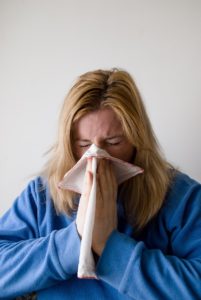
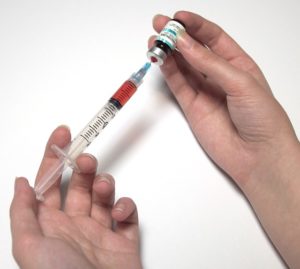
    The people who are exposed to germs from flu and colds on a daily basis, such as flight attendants, doctors, teachers, etc. probably know quite a few easy tips on how to avoid catching and even preventing the germs spread from a sneezing child in the classroom or a sick passenger on the flight – many will suggest that you get your seasonal flu shot in order to prevent the bug from taking hold of you.

    But here are some really good tips from those people who are exposed to colds and flu on a daily basis:

    Always wash your hands, and quite often too, because, no matter what line of work you are in, you are coming into contact with people who are contagious to you and you will need to wash your hands over and over again. Even when you are out, and you touch the elevators, the lifts, door handles, you are coming into contact with dangerous germs. It sounds so simple but in fact, soap and water are doctors and nurses around-the-clock companions.

    Try and use hand sanitizers that are alcohol based because if you are not near any soap and water, the sanitizer can kill off the flu and cold germs. That means not getting too close to people who are sick, like not shaking hands.

    Keep your space around you clean – in other words, if you are sick, it is better for you to stay at home. Your job is to heal and not to pass on the germs to other people, particularly if you are really sick.

    Live a healthy lifestyle, as it is important to look after your health. That means getting enough rest and nutrition. Many think these are just old wives tales, but it is really important to get good nutritional food into your system, not to smoke and to keep allergies under control. If you don’t, your upper respiratory tract could become inflamed. This makes you more vulnerable to get a virus.

    Repair your gut because your gut is the gateway to health and almost 80% of your immune system is situated in the gut. That means it needs to be in peak condition. Take a top quality probiotic to keep up good levels of bacteria to fight off infection.

    Go slow on alcohol and sugar consumption because when you consume too much, you suppress the immune system, causing leaky gut. Just moderate alcohol consumption can suppress your central nervous system too which is part of your important immune system.

    Reduce stress because stress suppresses the immune system. Consider things like acupuncture, or yoga, or medication to reduce stress.

    Take an immune booster which contains proteins and immunoglobulins which will boost your body’s line of defense.

    Take supplements of glutathione and turmeric because they are antioxidants, important for the right functioning of the immune function.

    Glutathione is the main antioxidant in the body and is responsible

Copyright @ 2017 DrCurtisMcElroy