Author: docmac

  • Heart Health

    Heart Health

    Prevent Heart Disease by Learning About Your Heart

    Your heart is one of the most important organs in your body. Learn about its anatomy and functions so you know how to prevent heart disease.

    Prevent Heart Disease by Learning About Your Heart

    Your heart is directly involved in supplying all of your organs with the oxygen they need to function properly. Without it, your body would completely shut down. This is why it’s so important to take good care of your heart.

    If you develop heart disease, your heart is no longer able to perform its primary function with the same efficiency.

    Learning more about the anatomy and functions of your heart can help you understand not only the role it plays in your overall well-being but also how you can take better care of it to avoid heart disease.

    Functions of the Heart

    Each day, your heart pumps about 2,000 gallons of blood if it’s functioning regularly. Your heart is a key component in keeping your blood cells oxygenated and delivering this oxygenated blood throughout your body.

    Oxygenating Blood

    Your cells could not perform their regular functions without oxygen, and oxygen fuels cellular respiration, which is where your cells use oxygen to break down nutrients into energy and waste. The waste gets discarded, and the energy is used as fuel for your body. Since oxygen is such an integral part of your cells’ regular functions, your body has to ensure a constant supply is reaching your cells at all times, which is accomplished by oxygenating your blood. The heart doesn’t supply this oxygen itself, but it does facilitate oxygenation by pumping deoxygenated blood into the lungs.

    Circulating Blood

    Once blood has been oxygenated, it moves from the lungs back into the heart. It then has to reach the rest of your body. Your heart pumps this blood through your arteries, which carry it to organs and tissues throughout your body. Contractions, known as heartbeats, push blood through your circulatory system. Once the oxygen is used up, blood returns to the heart to be oxygenated once again.

    Anatomy of the Heart

    Your heart is a complex organ made up of a series of chambers, valves, and tissues. Each part of the organ is involved in circulating your blood throughout your body, and damage to any of them can jeopardize your health.

    Chambers

    Your heart consists of four chambers. You have left and right atria located in the upper area of the heart and left and right ventricles in the lower area. The left and right sides are separated by a muscle wall known as the septum.
    Blood enters your heart through the atria from your veins. It passes from the atria into the ventricles, which then pump the blood out of the heart.

    The atria are thinner than the ventricles, as not as much force is needed to transfer blood between the chambers of the heart. More force is needed to pump blood out through the arteries.

    The right atrium receives deoxygenated blood and passes it through to your pulmonary system via the right ventricle. Your left atrium receives oxygenated blood from your lungs, which is then pumped out from your left ventricle to the rest of your body.

    Valves

    Heart valves control the flow of blood through the heart, ensuring everything stays moving in the right direction.
    Atrioventricular valves, also known as cuspid valves, are located between the atria and ventricles. They close as the ventricles contract, preventing blood from flowing backward into the atria once it has passed into the ventricles.
    Your heart also contains semilunar valves, which are located near the bases of the ventricles. These valves close and the ventricles relax, and these actions keep blood from flowing back into the ventricles after it’s been pumped out into your circulatory system.

    Blood Vessels

    Your heart is connected to many different blood vessels that carry blood to and from different cells and organs. These include both veins and arteries. While your veins bring deoxygenated blood back to your heart, your arteries pump oxygenated blood out of your heart and through your body.

    Your largest artery, the aorta, brings blood to many different areas through smaller branches. You also have the superior and inferior vena cava, which bring deoxygenated blood back to the heart from your upper and lower body, respectively.

    Your pulmonary artery and veins carry blood between your heart and lungs.

    Your heart needs oxygenated blood to function too. This is supplied by the coronary arteries.

    How Heart Disease Interferes With These Functions

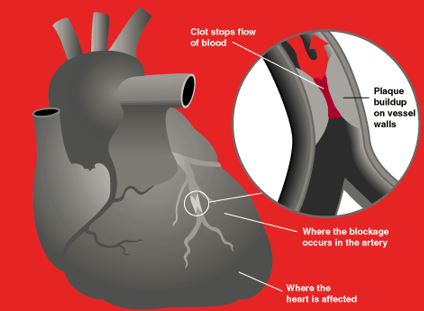
    Heart disease interferes with the regular function of your heart by restricting blood flow. Plaque builds up in your arteries, causing them to narrow, which in turn, limits how much blood can pass through them.
    Without proper oxygenation in your heart and other parts of your body, your cells won’t have the energy they need to function properly. This can lead to major complications, like a heart attack.

    Improving Your Health Through Heart Disease Treatment

    Thankfully, there are many ways to keep your heart healthy and prevent heart disease. Common heart disease treatments include following a heart-healthy diet, quitting smoking, and getting more exercise.

    Final Thoughts

    Properly caring for your heart allows it to function efficiently. The more heart-healthy choices you make, the easier it is for your heart to continue to oxygenate and circulate blood like it’s designed to do.

    5 Major Causes of Heart Disease You Should Avoid

    Heart disease has many contributing factors that can increase your risk, but these five major causes are most commonly linked with developing heart disease.

    So many of the choices you make every day can impact your heart health.

    Choosing to exercise and eat right every day is a decision that helps keep your heart in good working order, while opting to lay on the couch and eat junk food doesn’t do you any favors. Despite how straightforward this might sound, you might not realize just how much of an effect these decisions have on the health of your heart.

    This is especially important for habits that negatively impact key risk areas like your cholesterol and blood pressure. These factors, among others, are some of the leading contributors to heart disease.

    Keep a careful eye on the five major causes of heart disease so you can understand and reduce your risk of developing this condition and maintain your overall health.

    Major Causes of Heart Disease

    In most cases, heart disease is the result of genetics or poor health caused by smoking, high cholesterol, high blood pressure, and uncontrolled diabetes.

    Smoking

    The most common danger associated with smoking is lung disease, but it can affect other parts of your body too. Smoking can make you two to four times more likely to develop heart disease than a non-smoker, especially if you smoke a pack or more every day. Smoking can damage your blood vessels, restricting blood flow. It also raises your blood pressure and heart rate, forcing the heart to work harder to supply your organs with oxygenated blood.

    High Blood Pressure

    High blood pressure has been connected to a number of different complications, but heart disease is among the most prevalent. When your blood pressure is high, your arteries become damaged over time. Plaque builds up and narrows the arteries, and the heart pumps faster and harder to maintain blood flow. The extra effort enlarges the left ventricle, weakening your heart and often resulting in congestive heart failure.

    Diabetes

    Diabetes can significantly increase your risk of heart disease, as high blood sugar damages your blood vessels.
    When you have diabetes, your body’s ability to produce nitric oxide is reduced. Nitric oxide functions as a vasodilator, which means it widens your blood vessels. Without it, your blood vessels narrow, restricting blood flow.

    Additionally, high blood pressure frequently occurs alongside diabetes, which increases your risk even further. This can manifest in peripheral artery disease (PAD), which limits blood flow to the legs.

    High Cholesterol

    Some cholesterol is necessary for your body to function regularly, but too much can lead to heart disease. This is because high cholesterol increases the amount of plaque in your blood vessels. Too much plaque narrows the vessels and inhibits blood flow.
    If too much plaque builds up, these deposits can form a blockage that causes a stroke or heart attack.

    Family History

    Genetics can play a role in determining your likelihood of developing heart disease too. You’re more likely to have issues with blood flow and heart disease if a family member has it, especially if one of your parents or siblings has a heart attack before they turn 50.
    Of course, this doesn’t mean you are fated to develop heart disease no matter what. With careful management of your health, including regular checkups with your doctor and a commitment to making heart-healthy choices, you can reduce your risk.

    Reducing Your Risk Level

    In many cases, reducing your risk of developing heart disease means adjusting your behaviors and taking your overall wellness seriously. You can keep your blood vessels in good working condition by making small changes to your daily habits and speaking to a medical professional.

    Avoiding Harmful Behaviors

    For causes of heart disease like smoking, the best thing you can do for your body is quitting. Smoking can damage many different organs and tissues throughout your body, not just your heart, so you should strive to stop as soon as possible.

    If you’re having trouble quitting, at least reduce the number of cigarettes you smoke in a day. Heavy smokers have a much higher risk of damaging their hearts, and becoming a light smoker can reduce your dependency and make quitting easier.

    Treat the Root Causes

    Many forms of heart disease treatment involve focusing on the root causes of damage to the heart and blood vessels.

    This means making healthier choices on a regular basis.

    For example, you can lower your cholesterol and blood pressure by adjusting your diet. Cutting out saturated and trans fats, keeping your sugar consumption under control, and decreasing your salt content in your diet are all excellent healthy behaviors.

    Getting just 30 minutes of exercise each day helps treat these conditions as well. Include some cardio to improve your heart health.

    Speak With a Doctor About Heart Disease Treatment

    If you have a family history of heart attacks and strokes, talk to your doctor about monitoring your risk levels at your yearly medical appointments. Keeping track of changes in your blood pressure and cholesterol can help you get on top of any issues through lifestyle changes or medication treatment.

    Final Thoughts

    The causes of heart disease come in many different forms, and all of them are dangerous. If you are affected by any of these causes, you should be more vigilant about taking good care of your heart to keep yourself healthy and strong.

    Modern Advances in the Treatment of Heart Disease

    Modern Advances in the Treatment of Heart Disease

    Heart disease treatments have come a long way over time, with scientists continually developing new methods of addressing heart disease symptoms and root causes.

    Modern medical knowledge is constantly improving as scientists work to develop a better understanding of the intricate systems at work in our bodies. This includes how our hearts function and the effect heart disease has on our bodies.

    As we learn more about the processes that ensure our hearts function properly, heart disease treatments improve. This means the quality of life and longevity for people who have heart disease improves as well.

    A Better Understanding of Heart Disease

    Many of the treatments used to counteract the effects of heart disease today would be impossible without our modern understanding of the heart.
    For example, because we know that restricted blood flow is a result of narrowed or blocked arteries, we can use devices like cardiac stents to reopen these arteries. Pacemakers and defibrillators are the results of the improved understanding of electrical physiology of the heart.
    New advancements are being made every day, led by institutions like the American Heart Association with thousands of studies all over the world.

    Developments in Heart Disease Treatment Methods

    As knowledge and understanding of heart disease continue to improve, so do the methods used to diagnose and treat the condition.
    Early heart disease treatments were limited to mainly lifestyle changes and some medications. While these methods can be effective for many people and are still used today, they are less effective in severe cases of heart disease.

    Now that scientists and researchers better understand the mechanics of heart disease and its complications, they have helped create new and improved heart disease treatment methods. Many of these methods involve the surgical implantation of devices near the heart that help to control its rhythm and support its regular function.

    Cardiac Stents

    Heart disease leads to plaque buildup in your arteries, which narrows them and prevents regular blood flow. To treat this, cardiologists can insert a cardiac stent inside a blocked artery in a minimally invasive procedure known as coronary stenting.
    A cardiac stent is an expandable metal mesh coil that’s small enough to travel through an artery. The stent is inserted with a balloon that expands when it reaches the blocked or narrowed section. The stent expands to keep the artery stretched wide enough for regular blood flow, and the stent stays in place, keeping the artery open after the balloon is deflated.
    Coronary angiograms are emergently performed at the time an acute heart attack occurs, and the cardiologist will likely place a cardiac stent even if you have only one or two blocked arteries. Sometimes, there are several coronary arteries that are blocked, which requires more invasive procedures to treat.

    Pacemakers

    Normally, your heart serves as its own pacemaker. The sinoatrial (SA) node controls the rhythm of your heartbeats with regular electrical pulses that instruct the heart to contract and relax.
    Heart disease can interfere with this regular rhythm. You may experience heart rhythm disturbances known as arrhythmias or palpitations, which can speed up or slow down your heartbeats. Any disturbance can interfere with how efficient your heart is at maintaining good circulation throughout your body.
    To correct this issue, your doctor may suggest you undergo surgery to have a pacemaker implanted. The pacemaker monitors the rhythm of your heartbeats for irregularities and creates its own electrical impulses that restore the regular rhythm of your heart.

    Defibrillators

    If you are at a high risk of experiencing cardiac arrest, you may need an implantable cardioverter defibrillator (ICD). During cardiac arrest, your heart stops pumping effectively, and it may stop altogether, suddenly cutting off blood flow completely. This is life-threatening if you cannot get emergency medical treatment right away.

    An ICD monitors for irregularities in the heart’s rhythm, specifically in the ventricles. If you experience ventricular arrhythmia, the ICD will deliver small electric signals to restore the heart’s regular rhythm. If this arrhythmia persists, it will deliver a large shock similar to a regular defibrillator to jumpstart the heart’s regular rhythm once again.

    Note that sometimes these shocks can be painful, but they can also save your life. Some newer ICDs also serve the same function as pacemakers, stimulating heartbeats when your heart rate becomes too slow.

    Final Thoughts

    While heart disease treatments have come a long way, they are by no means perfect. You may have complications from the surgery needed to implant a pacemaker or defibrillator, and you may have to avoid things that could interfere with these devices, such as metal detectors and MRI machines.
    Despite this, these are still significant improvements in how we handle heart disease. The more we continue to learn about the condition, the better equipped we will be to treat it safely and effectively.

     3 Major Complications Caused by Heart Disease

    Heart disease can cause serious and lasting damage to your body. Learn about the three most common major complications that come from heart disease.
    If you have heart disease, your heart is less efficient at pumping blood. The blood vessels throughout your body, which facilitate blood flow to various organs, may be damaged as well.
    These conditions can have significant harmful effects on your heart as well as your other organs. The harder your heart has to work to maintain your body’s circulation, the more likely it is that you will experience a major complication from heart disease.

    Heart Disease’s Major Complications

    Heart disease can cause health issues that affect your heart, such as heart attacks and congestive heart failure. It can also cause renal failure.

    Heart Attack

    Heart disease can limit not only the blood flow throughout your body but also the supply of blood to your heart. The proper supply of oxygenated blood can be restricted due to plaque buildup in your coronary arteries, in a condition known as coronary artery disease.

    This is the primary cause of heart attacks.

    During a heart attack, the cells in your heart don’t receive enough oxygen, and without oxygen, the cells start to die.
    Common symptoms of a heart attack include chest pain, shortness of breath, and pain in other areas of your upper body like your arms, jaw, and neck. These symptoms can vary between men and women, with women being more likely to experience jaw or back pain and shortness of breath in addition to or sometimes instead of chest pain.

    If you experience chest pain or otherwise believe you might be having a heart attack, seek medical treatment immediately. It is better to be overly cautious than to ignore the symptoms when you are really having a heart attack.

    Congestive Heart Failure

    Congestive heart failure is also caused by the narrowing of the arteries that supply blood to your heart due to plaque buildup. It is named after the ‘congestion’ that occurs in body tissue when blood is unable to circulate properly. This often causes swelling in the legs and ankles.
    Heart failure can also be systolic or diastolic.

    Diastolic heart failure means your heart isn’t properly relaxing between beats, while systolic means it isn’t properly contracting.

    Renal Failure

    Chronic kidney disease affects about 14 percent of the population, with one of its most common causes being high blood pressure.

    Long-term high blood pressure, or hypertension, damages the arteries that supply blood to your kidneys, leaving them unable to filter waste in your blood properly. Damage to your blood vessels from heart disease can make this worse and speed up the progression of kidney disease to renal failure.

    In the state of renal failure, your kidneys are no longer able to filter blood on their own. Renal failure is irreversible, and if left untreated, can be life-threatening. If you cannot get a kidney transplant, you will have to go on dialysis for the remainder of your life.

    Avoiding These Complications

    The most effective way to reduce your risk of having a heart attack, congestive heart failure, and renal failure is to target the factors that put you most at risk of developing heart disease in the first place.

    Heart Disease Treatment

    Many heart disease treatment methods involve lifestyle changes, which can be used to improve your health, whether you already have the warning signs of heart disease or not. Improve the strength of your heart by practicing routine exercise and avoiding eating too much fat, sugar, and sodium. Making these small changes can have a significant impact on your health.

    If you already have heart disease, speak to your doctor about your concerns about developing heart complications. They will advise you on potential lifestyle changes, or they may recommend medication treatment.

    Kidney Disease Treatment

    Since heart disease can interfere with blood flow to the kidneys, take steps to improve the health of your kidneys too.
    Kidney-friendly diets are low in protein, and they avoid minerals that are harder for your kidneys to process, such as phosphorus and potassium. Nutrition plans like the renal diet emphasize whole grains, fruits, and vegetables as part of a balanced meal.
    It’s just as important to avoid excess sodium and fat in your diet for your kidneys’ sake as it is for your heart’s sake, and exercise can help here as well. Heart-healthy and kidney-friendly lifestyles are compatible with each other, and it’s a good idea to follow both if you want to prevent heart and kidney disease.

    Final Thoughts

    The complications of heart disease can be life-threatening, and you must make every effort to try to prevent their occurrence. Always take heart disease seriously and do your part in managing the condition before it results in a heart attack, congestive heart failure, or renal failure.

    Understanding Heart Disease’s Connection to Arrhythmias

    Heart rhythm disturbances, or arrhythmias, aren’t always a cause for concern. But they can be troubling when they occur as a result of heart disease.

    Normally, your heart beats at a steady pace between about 60 to 100 beats per minute (bpm). However, in some cases, your heart may beat faster, slower, or in an irregular rhythm.

    This is known as heart arrhythmia.

    In many cases, a heart arrhythmia is only temporary and goes away on its own. That said, you should never let a heart arrhythmia continue without seeing a doctor. When it occurs alongside heart disease, it can be dangerous and, in some cases, life-threatening.

    What Is Heart Arrhythmia?

    Your heart has a natural pacemaker known as the sinoatrial (SA) node. This node controls the rhythm of your heartbeats with electrical impulses.

    Under normal conditions, the electrical impulses ensure your heartbeats are steady and strong at a measured pace. If you are experiencing an arrhythmia, these impulses may be too fast, too slow, or off-rhythm, which in turn affects the pace of your heartbeats.

    Rapid Abnormal Rhythms

    Resting heart rates over 100 bpm are considered rapid abnormal rhythms. This is known as tachycardia, and it can feel like a fluttering sensation in your chest that leaves you feeling faint, dizzy, or out of breath.

    Note that to be considered tachycardia, your heart rate must be measured when you’re at rest. Having a faster heart rate during and immediately after exercise is perfectly normal. But if you are sitting on the couch without exerting yourself, a fast heart rate is abnormal, and it could be a cause for concern.

    You may experience tachycardia in the atria of your heart or in the ventricles. It often weakens the pumping of your heart, which can reduce blood flow.

    Slow Abnormal Rhythms

    If your heart rate falls below the lower limit of a regular resting rate, 60 bpm, this is considered a slow abnormal rhythm.

    It is also known as bradycardia.

    Like tachycardia, having a slightly slower heart rate isn’t always a bad thing. In fact, if you get a lot of exercise and you’re very physically fit, you may have a slower average heart rate. Your bpm may also fall below this level when you are sleeping or if you are taking medication for high blood pressure.

    That said, if none of these conditions apply to you, persistently slow heartbeats could indicate your body isn’t getting an adequate supply of oxygenated blood. Bradycardia can also coincide with skipped heartbeats in some cases.

    Irregular Rhythms

    You may still have a heart arrhythmia if you don’t experience persistent slow or fast heartbeats, but instead, you feel like your heart occasionally skips a beat or beats prematurely.

    This is considered an irregular rhythm.

    While these heart palpitations can be uncomfortable, they’re not usually serious if they occur without any other symptoms. If you have chest pain, struggle to breathe, feel dizzy or lightheaded, or you faint alongside heart palpitations, you should seek medical treatment.

    One of the most common causes of irregular heartbeats is atrial fibrillation (AFib).

    The symptoms of AFib are shortness of breath, palpitations, or even persistent pain similar to a heart attack. Your heart rate may also be very fast, or it can be a normal rate.

    AFib can increase your risk of having a stroke or heart failure.

    Heart Arrhythmia and Heart Disease

    Heart arrhythmias can occur as an isolated event, but they’re usually more serious if they occur alongside heart disease. Conditions like diabetes and high blood pressure can lead to more severe forms of heart rhythm disturbances, as can other heart disease risk factors such as smoking and high cholesterol.

    Arrhythmia and Heart Disease Treatment

    Sometimes heart arrhythmias are caused by underlying initial damage to the heart, such as can be seen with early heart disease. This means that it’s very important to begin utilizing common heart disease treatment strategies like eating healthier, getting more rest, quitting smoking, and exercising more frequently as soon as possible.

    Speak to your doctor about any irregularities with your heart right away. They will help you identify the problem and help you find the best treatment regimen for the problem. This may involve prescription medications and consulting a cardiologist for their expertise in treating the problem.

    Certain anti-arrhythmic medications and blood thinners can help bring rapid heart rates under control. In some cases, you may need an implantable device like a pacemaker or defibrillator to reduce your risk of cardiac arrest. These devices regulate your heart rhythms by creating their own electrical impulses.

    If you have extensive coronary artery blockages in addition to any arrhythmia, you may need coronary bypass surgery to restore proper blood flow to your heart and help treat the arrhythmia.

    Final Thoughts

    Heart palpitations and other irregularities can be benign or sometimes severe problems. It’s best to always seek advice from a doctor who can identify the underlying cause of these conditions and help you find an effective treatment plan.

    What Is the Best Heart Healthy Diet for Heart Disease?

    There are many diets that claim to improve your health, but not all of them are effective. Follow the best heart healthy diet so you can avoid heart disease.

    Your diet plays a huge role in your overall health, especially when it comes to preventing and managing heart disease.

    Common causes of heart disease, including high blood sugar and high cholesterol, are made worse by a poor diet. If you eat meals high in processed sugar, sodium, and fats, your heart will suffer for it. Therefore, the most heart-healthy diets are those that are high in fruits, vegetables, whole grains, and lean proteins.

    Many different diets fit these criteria, such as the ever-popular DASH diet and the TLC diet. Perhaps the most effective is the Mediterranean diet, which supports not only heart health but also increases longevity and assists in weight control.

    What Is the Mediterranean Diet?

    As the name suggests, the Mediterranean diet is based on the types of food eaten by people living around the Mediterranean Sea. It became popular due to research that suggested people living in countries like Greece, France, and Italy experienced health benefits compared to those following the standard American diet.
    In particular, researchers found that following a Mediterranean diet could drastically reduce your risk of developing heart disease, type two diabetes, Alzheimer’s disease, and cancer. People living in the Mediterranean region had fewer deaths caused by coronary heart disease and frequently lived longer, healthier lives.
    In recent years, the Mediterranean diet has become a popular choice for anyone looking to slim down, but its primary focus is still on promoting healthy eating habits that help prevent heart disease.

    Diet as a Heart Disease Treatment

    Your regular diet plays a significant role in determining your risk factors for heart disease. If you consistently eat foods that are high in bad fats and cholesterol, which may also have large amounts of sugar and sodium, your heart health will suffer. On the other hand, if you make healthy choices for each meal, you can lower your likelihood of developing heart disease.
    Of course, diet is far from the only possible heart disease treatment. You can combine a healthy Mediterranean diet with exercise to multiply its positive effects.

    The Mediterranean Diet and Heart Disease

    Following the Mediterranean diet can reduce your risk of developing the cardiovascular conditions that contribute to heart disease. Namely, it can lower your blood pressure by cutting out excessive sugar and salt, as well as help keep your cholesterol in check.
    Unlike some other diets where you’re only meant to follow them for a few weeks at a time, you can safely follow the Mediterranean diet for years, making it a great option for long-term heart health.

    How to Follow the Mediterranean Diet

    There isn’t one well-defined set of rules or a strict meal plan associated with the Mediterranean diet. Instead, it focuses on eating a varied diet of primarily produce and whole grains alongside some healthy fats and the occasional glass of red wine.

    What to Eat

    Just about all whole fruits and vegetables are well suited to the Mediterranean diet, but you should opt for fruits with less sugar when you can. Try to have about seven to ten servings per day.
    Rather than eating white bread, pasta, or pastries, choose whole grains, as these have a lower impact on your blood sugar levels.
    While you should limit your consumption of saturated and trans fats, your body needs some fats to function. Focus on getting these fats from healthy sources, such as olive oil and fresh fish.
    Aim to eat fish for at least two meals each week, as fish contains high levels of Omega-3 fatty acids that can reduce inflammation and lower your risk of having a stroke.
    You can also have low-fat dairy options like Greek yogurt. Don’t forget about low-fat cheeses like feta and mozzarella too.
    In addition to seafood and dairy, you can also get protein from plant-based sources like nuts and beans.

    What to Limit or Avoid

    While the Mediterranean diet lets you enjoy many different meals, there are some ingredients you should avoid. Avoid eating too many processed foods with lots of fats and sugars. Instead, stick to fresh, whole ingredients as often as you can.
    Limit how often you have red meat as well, as it is higher in saturated fat than most plant or seafood sources of protein. Go for leaner cuts, and only have a steak or burger on rare occasions, if at all.
    Keep your sodium levels in check by leaving salt out of most of your meals. Instead, you can use fresh spices and herbs to give your meals all of the flavor with none of the spikes in blood pressure.

    Final Thoughts

    Improving your health starts with altering your diet. Reducing your risk of heart disease is no exception to this rule.
    The Mediterranean diet is very flexible, with plenty of options to suit any palette. Considering its positive effects on your heart and overall well-being, there’s no reason not to give it a try.

    Advances in Treating Cholesterol to Manage Heart Disease

    High cholesterol is one of the biggest contributors to heart disease. Luckily, there have been many advancements in how we monitor and reduce cholesterol.

    Even though our bodies need cholesterol, too much of the ‘bad’ kind of cholesterol, called low-density lipoprotein (LDL), can cause serious health issues. These include plaque deposits that increase your risk of heart disease, heart attacks, or stroke.

    Just as there have been many advancements in heart disease treatments, so too have there been advancements in how we treat high cholesterol as our knowledge of the condition improves. The more we learn about the relationship between high cholesterol and heart disease, the more effective modern heart disease treatment methods become.

    Cholesterol and Heart Disease

    As a significant contributor to heart disease, it’s important that cholesterol levels are kept under control. Otherwise, plaque continues to build up in the arteries, which raises your blood pressure and puts more strain on your heart. These plaque deposits can become blockages, making them especially dangerous.

    That said, not all cholesterol is bad for you. Some can actually improve your health, despite our initial understanding of how it interacts with our bodies.

    LDL and HDL

    Previously, it was believed that all cholesterol was bad, and this is still a popular belief outside of the medical community. However, we now know that there are both good and bad types of cholesterol and that the good kind can be used to reduce the amount of bad cholesterol in our bodies.

    LDL is considered bad cholesterol because it directly contributes to the arterial buildup of plaque. It comes from saturated and trans fats, which usually come from animal products and heavily processed foods, respectively.

    High-density lipoproteins (HDLs) are considered good cholesterol. They’re responsible for bringing LDL to your liver, where it can then be broken down and discarded. Eating foods high in HDL like olive oil and certain fish can help you counteract the negative effects of a diet high in LDL.

    Of course, even our knowledge of the distinction between LDL and HDL is continually evolving, allowing us to develop more effective treatment methods.

    Advancements in Cholesterol and Heart Disease Treatment Methods

    Modern methods for treating high cholesterol primarily involve the use of medications and changes to your diet and exercise habits.

    Cholesterol Medications

    Some medications are designed to reduce cholesterol production in your liver. These are known as ‘statins,’ and they include medications such as Simvastatin, Rosuvastatin, and the most common, Atorvastatin. While statins can reduce the overall level of cholesterol coming from your liver, they do not have any effect on dietary cholesterol, so they must be combined with healthy eating habits.

    There are also many statin alternatives. These include fibrates, niacin or vitamin B3, and omega-3 supplements, which all lower triglycerides.

    Reverse Cholesterol Transport

    Not all methods used for treating high cholesterol and heart disease have to involve medications. You can significantly improve your heart health by using reverse cholesterol transport, which occurs when HDL transports cholesterol out of the arteries and back to the liver. This helps decrease the accumulation of LDLs in the arteries, meaning less opportunity for plaque formation.
    While excessive amounts of LDL are known to clog arteries, just eliminating bad cholesterol from your diet isn’t enough. You also need to increase your HDL levels to combat the bad effects of overall high cholesterol efficiently. Studies show that people with higher than average HDL levels have the lowest risk of developing heart disease, especially if they’ve been including HDLs in their diet from a young age.

    To take advantage of reverse cholesterol transport, you can use good nutrition in conjunction with the previously mentioned medications. Changing your diet is especially important, as it can prevent the development of heart disease altogether if you are committed to eating healthier. You can get HDLs from various foods, including beans, olive oil, fatty fish, fruit with high fiber content, nuts, and whole grains.

    Final Thoughts

    Moderating your cholesterol is a key part of keeping your heart healthy and reducing your risk of developing heart disease. The sooner you can improve your cholesterol, either through medications or lifestyle changes, the less risk you have of damaging your arteries and harming your heart, and the better your overall health will be.

    How to Recognize the Symptoms of a Heart Attack

    Heart attacks are serious and require you to react immediately.

    Know the symptoms so you can identify a heart attack and seek the appropriate treatment.

    Many people who suffer from heart disease don’t know they have it until they experience a heart attack.
    Some heart attacks can seem to come out of nowhere, with almost no warning before they occur. However, most have warning signs that are much easier to detect when you know what you’re looking for.
    Whether you believe you have heart disease or not, being able to spot the warning signs of a heart attack could save your life.

    How to Recognize a Heart Attack

    Knowing the warning signs is a key factor in getting medical help as soon as possible. If you brush off these symptoms as nothing to worry about, you could put yourself in greater danger, so always treat any possible symptoms seriously.

    Chest Pain

    By far, the most common symptom of a heart attack is chest pain. This usually feels like discomfort accompanied by a squeezing feeling of pressure on the left side or center of your chest. Pain may be severe or fairly mild, so don’t ignore it just because the pressure or tightness is light.

    Chest pain is a fairly general symptom, and it can have many causes completely unrelated to a heart attack or heart disease. Chest pain that comes on suddenly with no clear cause is often an indicator of a potential heart attack, and it’s best not to take any risks. This kind of pain is even more likely to be caused by a heart attack if it is accompanied by other common symptoms.

    Upper Body Pain

    In addition to chest pain, a heart attack can cause pain that radiates through other areas of your upper body. Left arm pain is common, especially for men, but you can also experience pain or tightness in your upper back, neck, and jaw.

    Shortness of Breath

    Heart palpitations and chest tightness can leave you feeling out of breath during a heart attack. You may struggle to take full, deep breaths, even if you were previously sitting or laying down without issues. If you experience shortness of breath without a clear cause, it could be that you are having a heart attack or another medical emergency.

    Nausea

    Heart attacks can leave you feeling nauseated, which can sometimes lead to vomiting. Nausea and vomiting are common to many different health conditions both major and mild, but when associated with chest pain and shortness of breath, it might be another indicator of a heart attack.

    Heart Attack Differences Between Men and Women

    Men and women often experience different symptoms for heart attacks.

    Men are more likely to feel chest pain, especially pain that feels like squeezing. Shortness of breath, nausea, and pain in the jaw, back, or neck are all common symptoms for men too. Men often experience severe pain in their left arms during a heart attack as well.

    For women, left arm pain is much rarer, and the range of symptoms is usually wider. In addition to the regular symptoms, women may also experience sudden and serious fatigue, fainting, or indigestion. Women may not even have chest pain during a heart attack, so it’s especially important to stay vigilant for these less common symptoms.

    How to React If You Are Having a Heart Attack

    If you think you might be having a heart attack, you should seek medical treatment as quickly as possible. Delaying treatment even by a few minutes can put your life in jeopardy.

    First, don’t try to drive yourself to the hospital. It’s better to call 911, as the EMTs who arrive in the ambulance can provide emergency care on the way to the hospital. Additionally, if you lose control while driving, you could get in an accident, delaying help even further and potentially injuring yourself and others.

    While waiting for the ambulance, follow any directions the dispatcher gives you. If you’re at home, unlock the door and sit or lie down nearby so the EMTs can reach you faster.

    After Receiving Medical Care

    Once you see a doctor and you’re on the road to recovery, always follow their advice to improve your heart health and prevent future heart attacks. If you continue the same bad habits as before, you’ll likely make your heart disease worse.

    About one in five people who have a heart attack will have another within five years, and this risk only goes up if you don’t take care of your body.

    If you follow your doctor’s advice and take any necessary prescriptions, you can greatly lower your chances of experiencing a second heart attack and improve your overall health.

    Final Thoughts

    Heart attacks can be unexpected and frightening, but acting quickly increases your chances of making a full recovery. Make sure you understand the signs of a heart attack and always ask for assistance from friends or bystanders right away.

    5 Types of Medications Used to Combat Heart Disease

    Your doctor can prescribe various types of medications to counteract the harmful effects of heart disease. Here are five of the most commonly prescribed types.

    If you’ve been diagnosed with heart disease, you’re not alone. Nearly half of all American adults are affected by cardiovascular disease. So, it’s important to make every effort to improve your heart health and minimize your risk of developing dangerous complications.

    Lifestyle changes that keep your cholesterol and blood pressure in check can help, but for some people, this won’t be enough. In these cases, your doctor may want to prescribe medications to treat your heart disease.

    Even though these medications have the same general goal, their level of effectiveness can be different for different people. Learn about the various types of medications that are frequently prescribed so you and your doctor can work together to decide on the best treatment.

    Medications Used for Heart Disease Treatment

    There are dozens of different heart disease medications, and many of them help reduce the damage heart disease causes in different ways. Some focus on improving blood flow, while others target factors like cholesterol and plaque buildup.

    Metoprolol

    Metoprolol is a type of medication known as a beta blocker. This means it lowers your blood pressure by reducing the speed and force of your heartbeats. They can also help widen your veins and arteries, which may have become narrowed, thus facilitating improved circulation.

    Metoprolol is also used to reduce the overall risk of heart failure. People with heart disease who take metoprolol have a higher survival rate from a heart attack.
    Common side effects include dizziness, fatigue, stomach pain, and nausea.

    Statins

    Statins are a type of drug that can reduce the amount of cholesterol produced by your liver. This helps regulate your cholesterol levels, which in turn, lowers your risk of developing heart disease or further damaging your heart.

    Too much bad cholesterol can create plaque deposits in your arteries, limiting blood flow throughout your body. By reducing the amount of harmful cholesterol, you can minimize your risk of having a heart attack or stroke caused by heart disease and blocked arteries.

    Commonly prescribed statins include Atorvastatin, Lovastatin, Rosuvastatin, Pravastatin, and Simvastatin.

    Blood Thinners

    Blood thinners are also called anticoagulants because they prevent coagulation, or clotting, in your blood. Clots can cause arterial blockages that make heart attacks or strokes more likely, so they’re frequently prescribed to people with heart disease.

    Note that blood thinners can be dangerous if you exceed your prescribed dosage. If you sustain an injury such as a cut or laceration, your blood won’t be able to clot and stop the bleeding like usual. This means that applying pressure to the area and seeking medical attention for continued bleeding will be necessary.

    Practice extra caution and be careful to avoid combining blood thinners with any medication that can interact negatively with them. Always read labels to know what medications to avoid with blood thinners.

    Plavix

    Plavix, also known as Clopidogrel, is a type of blood thinner that can reduce your risk of having a stroke or heart attack.
    You may experience side effects such as increased bleeding, bruising, and itching.

    Diltiazem

    Diltiazem functions as a type of antihypertensive drug known as a calcium channel blocker.
    Calcium channel blockers lower your blood pressure by inhibiting the movement of calcium into your heart and artery cells. Diltiazem is commonly used in the treatment of the arrhythmia atrial fibrillation.

    Talk to Your Doctor About Heart Disease

    For each of the medications above, you’ll need a prescription from your doctor. This means you will need to schedule follow-up appointments at least once a year to renew your prescription and perform any necessary tests to monitor your heart disease.

    Always follow all instructions when taking any medication. Read the label and keep an eye out for any side effects that could potentially be dangerous. Talk to your doctor if you feel lightheaded, frequently nauseous, or extremely fatigued, and always get physician approval before you stop taking any heart disease medication.

    Final Thoughts

    Medications do their part to prevent or treat heart disease, but you can’t rely on medication alone.

    Instead, you will have to make lifestyle changes like eating right, maintaining ideal body weight, and getting enough exercise each day to support your heart health.
    If you use these methods alongside any necessary medications, you’ll greatly increase their effectiveness.

    What Can You Do to Avoid Developing Heart Disease?

    Heart disease can lead to serious complications like heart attacks and strokes. Learn how you can improve your coronary health and avoid heart disease.
    Heart disease can have serious consequences for your overall health. It increases your risk of having a stroke or heart attack, which can be life-threatening.

    Luckily, avoiding heart disease doesn’t necessarily need to involve surgical procedures or complex medication regimens.

    You can protect your heart health by simply making adjustments to your lifestyle.

    Lifestyle Changes for Reducing Your Risk of Heart Disease


    Heart disease can be the product of genetics, but it’s often the result of the daily choices you make.

    Should you buy fast food after work, or should you go home and ma dke yourself a healthy meal with vegetables and whole grains? Should you go on that run you planned, or should you watch another episode of your favorite TV show?

    These decisions become habits, good or bad, and their effect adds up over time.

    If you want to reduce your risk of heart disease, you can start by exercising more frequently, reducing stress, quitting smoking, and eating healthier.

    Get Active

    Just a few minutes of exercise each day has a significant impact on your cardiovascular health. People who are physically fit have a much lower risk of developing heart disease, especially when routine exercise is combined with other methods of staying healthy.

    You don’t have to be a professional athlete to strengthen your heart. Start by doing a few jumping jacks or push-ups each day, and then work in a short jog around the block. Make sure to include exercise that increases your heart rate for the best cardiovascular benefits.

    If you’re struggling to stick to your workout routine, try making it more fun with unconventional exercises. Rather than hitting the gym, try dancing or playing an active sport like soccer or tennis with some friends. Any kind of movement that can raise your heart rate or strengthen your muscles makes a big difference.

    Practice Stress Reduction

    Sustained stress in your daily life isn’t just bad for your mood. It’s also bad for your heart since stress can raise your blood pressure.

    If your stress comes from a hectic lifestyle, you might not be able to drop all your responsibilities. However, you can still take time out of your day to destress and improve your health.

    Schedule a time every day to just relax and do something fun. Take your work outside for a nice change in your environment. Try out meditation or mindfulness exercises.

    Any of these practices can help you feel a little more zen and keep your stress levels under control.

    Stop Smoking

    Smoking can cause all sorts of health problems, including heart disease. Heavy smoking increases your risk of developing a clot in your arteries, which inhibits blood flow and can lead to a heart attack or stroke.

    It can be hard to quit cold turkey, even if you know the toll smoking is taking on your health. If you’re a heavy smoker, you might find it more helpful to slowly decrease how much you smoke each day until quitting seems more achievable.

    You can try nicotine patches to help reduce cravings and withdrawal symptoms.

    Avoid situations that function as triggers for smoking. Smoking may also be a way for you to alleviate stress or other unpleasant feelings, so replace it with other methods for dealing with these feelings like fun hobbies and breathing exercises.

    Diet Control as Heart Disease Treatment

    What you eat is a hugely influential factor in your overall health. If you eat a lot of high-fat, high-sugar, and high-cholesterol foods, you are actively contributing to your risk of heart disease.

    Work to eliminate these foods from your diet and replace them with healthier options like plant-based proteins and whole, fresh foods. You can follow a heart healthy diet like the Mediterranean diet if you prefer a more guided approach to nutrition.

    Final Thoughts

    Managing your risk of heart disease can be as simple as changing what you eat, how often you work out, and how you deal with stress. These are small changes, but they can add up to a powerful impact on your well-being, especially if you make changes in many different areas of your life.

    If you’ve fallen into bad health habits, it can be tough to change your approach. Start with one small change, like smoking one less cigarette or making sure at least one of your meals each day is homemade. These small changes will have a cumulative effect over time, even if they feel very easy to make in the moment.

    Swap out bad habits for healthy ones to do everything you can to live a life free of heart disease.


  • Become A Super Ager

    Become a Super Ager

    Disclaimer. 5

    Introduction. 6

    What Is A ‘Super Ager’?. 7

    Two Types of Super-Agers – Cognitive and Physical 8

    What Puts Someone In The ‘Super Ager’ Group?. 8

    Who Can Be a Super-Ager?. 9

    Super Agers Diet Tips For Healthy Joints and Bones. 11

    Super Agers and Their Diet 12

    Eat Plenty of Fresh Fruits and Vegetables. 12

    Go Nuts! They’re Delicious and Good For You. 13

    Dairy Foods – Good or Bad?. 13

    Eat Fish and Boost Your Omega-3 Fatty Acids. 14

    Don’t Forget Your Herbs and Spices. 14

    Add Seeds to Your Meals. 14

    Super Agers Fight Alzheimer’s and Cognitive Decline. 15

    Aging and Cognitive Decline. 16

    How Super Agers Fight Cognitive Decline. 16

    Exercise The Brain. 17

    Keep Moving. 17

    Eat a Healthy Diet 17

    Super Agers Keep Exercising. 18

    Benefits of Exercise for Seniors. 19

    Promotes Flexibility and Mobility. 19

    Lowers Risk of Developing Illness. 19

    Improves Sleep. 19

    Boosts Mood. 20

    Improves Cognitive Function. 20

    Starting Exercise in Old Age. 20

    Super Agers Maintain Flexibility. 21

    How to Maintain Flexibility as You Age. 22

    Stretching. 22

    Yoga, Pilates, and Tai Chi 22

    Dancing – Gentle or Aerobic Dancing. 23

    Walking, Walking and More Walking. 23

    Aquatic Exercises. 24

    Massage. 24

    Super Agers Have Strong Immune Systems. 25

    Aging Effects on the Immune System.. 26

    Ways to Strengthen Immunity, For Both Young and Old. 26

    Eat A Healthy Diet 27

    Exercising Regularly. 27

    Minimizing Stress. 27

    Vaccines. 28

    Superfoods For Mental and Physical Health. 29

    Superfoods For Improved Mental and Physical Health. 30

    Super Eggs. 30

    Fish – Excellent Source of Omega-3 Fatty Acids. 30

    Fruits and Vegetables – The Colors of Goodness. 30

    Beans and Lentils. 31

    Whole Grains. 32

    Nuts and Seeds. 32

    Herbs and Spices. 32

    Gut Health (Microbiome) and Super Agers. 33

    Importance of a Healthy Gut Microbiome. 34

    Digestion Problems Associated with Aging. 34

    Super Agers and their Healthy Gut 35

    Developing a Healthy Gut 35

    Increasing Life Expectancy – Is 100 The New 75?. 37

    Factors for Longevity. 38

    Super Agers. 38

    How to Increase Longevity. 39

    Eat A Balanced Diet 39

    Keep Moving. 39

    Socialize. 39

    Quit Bad Habits. 39

    Sleep Better. 40

    See Your Doctor For Health Screenings Regularly. 40

    Age Is Just a Number – You’re As Old As You Feel 41

    Think Young. 42

    Developing a Young Mindset 43

    Conclusion. 44


    Disclaimer


    We hope you enjoy reading this publication, however, we do suggest you read our disclaimer.


    All the material written in this document is provided for informational purposes only and is general in nature.


    Every person is a unique individual and what has worked for some, or even many, may not work for you. Any information perceived as advice must be considered in light of your own particular set of circumstances.


    The author or person sharing this information does not assume any responsibility for the accuracy or outcome of your use of the content.


    Every attempt has been made to provide well-researched and up-to-date content at the time of writing. Now all the legalities have been taken care of, please enjoy the content.


    Introduction


    Human lifespans are increasing. Living longer is a universal desire. Holding onto life is wired into our DNA, plus, as sentient beings, we want to live longer to do more, and to experience the potentially wonderful offerings that life provides.


    When we look at those around us we can see some people who seem to stand apart in their ability to grow older, yet resist the negative impacts of aging that others take as being a foregone conclusion.


    These people are super-agers. Their minds are sharp and their emotions are balanced. They are a pleasure to be around as they revel in their autonomy and self-sufficiency.


    Compared to their cohorts, they are physically more able to enjoy their lives, as they are more flexible and fit, and able to enjoy their days in pleasurable activities instead of pain and discomfort.


    Long-term studies have shown that while factors such as our inherited genes play some role, the biggest factors that contribute to being a super-ager are lifestyle choices.


    This means that becoming a super-ager is greatly within our control. Our choices, actions and behaviors have a huge impact on how long we live for and how much we get to enjoy those extra years.


    This eBook will help you understand why, and more importantly how you can work toward becoming a super-ager.


    What Is A ‘Super Ager’?


    Aging is often associated with an array of negative side effects, including mental health problems such as memory loss, and a decline in physical health and mobility.


    We all understand that our brain and physiological functions may decline as we age, and for many of us, we have accepted this as a fact of life.


    However, there are some people who are well into their 80s and beyond who can show you that this is not necessarily your fate.

    They are living testament that poor mental and physical health among folks their age can be avoided. They are the people who we can call ‘super-agers’.


    Experts in the field of aging and memory loss have begun to use the term ‘super-agers’ when referring to people 80 years of age and older who display cognitive and physical attributes that are commonly found in people much younger.


    Super-agers can physically and cognitively rival those who are years or even decades younger than themselves.


    Two Types of Super-Agers – Cognitive and Physical


    Cognitive super-agers are people who have better memory retention compared to their peers, in part because their brains have shown to have minimal cell loss. This explains why super-agers can retain and recall memories easier than other people of their own age.


    Physical super-agers have physical attributes, particularly aerobic capacity, that are similar to people younger than they are. Aerobic capacity, or the amount of oxygen a person takes in and distributes throughout the tissues in their body per minute, determines the level of physical activities a person can perform.


    The higher the aerobic capacity, the more high-intensity exercises a person can do. As a person ages, their lung capacity can be affected. If they stoop, for example, their lungs cannot expand as they once did when they stood straight and tall.


    If you can take deep breaths, as super-agers can, you can be more physically active and able. Apart from athletic performance, a high aerobic capacity can help reduce the risk of developing cardiovascular disease and also dementia.


    What Puts Someone In The ‘Super Ager’ Group?


    While it seems that super-agers are the ‘lucky ones’, they were not born that way. These are the people who have developed their own super-ager traits through years of observing healthy habits.

    They looked after themselves while they were young, and instead of abusing their mind and body, they developed them and cared for them. They would have been open to new mental challenges, which is important in maintaining healthy cognitive function, including attention span and memory.


    Engaging in new activities that challenge mental capacity strengthens the brain while actively avoiding cell loss, which can lead to decreased brain function. New cognitive activities that challenge the brain can reduce plaque in the brain, which is consistent among people with dementia.


    Physical super-agers are known to practice healthy physical activities, such as exercising in high intensity for 20 to 45 minutes a day. Regular exercise, especially cardiovascular exercise, increases aerobic capacity significantly.


    Plus, other added benefits are that the frequent use of muscles through exercise prevents muscle atrophy and decreased mobility. The upshot is that super-agers have cultivated years of healthy mental and physical habits that have enabled them to be in tip-top shape despite their advanced years.


    Who Can Be a Super-Ager?


    Anyone can become a super ager, especially if you are young now! You can start by exercising your mind and body. Mental challenges, such as crossword puzzles, sudoku, and games that involve linguistic or mathematical abilities are easy and affordable ways to become more mentally agile.


    Do whatever mentally stimulates you, such as reading or learning a new skill. Are you creative? You could try learning a new musical instrument or writing short stories or poetry. You could also draw or paint and further develop your creative mind.


    To become a physical super-ager, start an exercise routine if you haven’t already started yet. You definitely need to get rid of the sedentary lifestyle and work on having a more active existence.


    Your exercise routine doesn’t have to be one where you are dressed in a leotard, it can be a physical activity that you enjoy, such as dancing, walking, or playing a sport.


    Whatever it is, gradually increase the intensity and duration of your exercise as you get more comfortable. That way, you are constantly challenging yourself as you improve your aerobic capacity.


    Of course, aside from performing mental and physical activities, your habits have to be healthy ones, which means quitting the habits that will reduce your efforts toward becoming a super-ager.


    Smoking is detrimental to your lungs and is linked to higher risks of life-threatening diseases, such as heart disease and Alzheimer’s disease. You should also watch your diet to keep your heart healthy.


    If you want to become a super-ager, it is never too late to start!


    Super Agers Diet Tips For Healthy Joints and Bones


    A decrease in mobility is one of the biggest tell-tale signs of aging. As we age, we start feeling aches and pains when we perform certain actions, compared to when we were younger. For example, you might have been able to jump off something and land with a bounce on your feet, whereas now, if you jump you land with a thud, and your whole body is jarred.


    The types of things that didn’t cause pain before and now do are possibly caused by aging joints and bones. We experience many changes in our bodies as we age and our bones and joints are not immune from undergoing these changes as well.

    Just like any object, our bones and joints can suffer from wear and tear caused by years of use and sometimes even abuse. This wear and tear can cause a host of health issues, such as arthritis, osteoporosis, and general pain and weakness.


    However, some people seem to defy the assumed natural processes of aging, and their bones and joints are still working well for them. These individuals are the ‘super-agers.’ While they are not precisely superhumans, if we are prepared to do as they do, perhaps we too can take care of our bones and joints better as we grow older.


    Super Agers and Their Diet


    Super-agers are those people aged 80 or older, who are certainly more agile and active, thanks to their healthy joints and bones. They don’t experience debilitating, degenerative diseases as much as their non-super-aging peers, such as arthritis, which could limit their mobility. So what is their secret?


    While a person’s genetic makeup can play a role, the greater portion comes down to lifestyle. So many diseases today are related to lifestyle, and aging is no different. Sure, aging is not a disease, but if the body is not cared for, you can’t expect it to function well, or for as long! Therefore, as lifestyle incorporates diet, the food we eat is an essential factor in aging healthily.


    Here are some super-ager diet tips for healthy joints and bones.


    Eat Plenty of Fresh Fruits and Vegetables


    A healthy diet would be incomplete (or non-existent) without fresh fruits and vegetables. However, some fruits and vegetables are a cut above the rest when it comes to bone and joint health. Blueberries and bananas are excellent for keeping your joints and bones healthy. Bananas are rich in magnesium.


    This is an essential bone mineral on multiple levels. Calcium needs magnesium to form bones and teeth. Magnesium also plays a role in synthesizing vitamin D, which is also essential for strong bones.

    A large portion of the population is deficient in magnesium, and the importance of this mineral to our diet cannot be overstated. Blueberries contain antioxidants that fight stress and, ultimately, premature aging of the cells. Fruits rich in vitamin C aid in the production of collagen, which is found in cartilage, tendon, and ligaments.


    Vegetables such as kale, spinach, broccoli, and red peppers are excellent sources of vitamins and minerals essential in keeping joints and bones strong. Ginger is specifically helpful in fighting osteoarthritis.


    Go Nuts! They’re Delicious and Good For You


    Nuts are healthy snacking options that are great for healthy joints and bones. You only need to eat a few, which makes them affordable, and they are readily available. Walnuts, almonds, and cashews, for example, are high sources of calcium, magnesium, and phosphorus, which promote bone health. Nuts can also fight inflammation in the joints. So as our little heading mentioned, go nuts and enjoy!


    Dairy Foods – Good or Bad?


    One of the big questions is should you drink milk? Milk is often promoted as being rich in calcium and a nutrient that is essential for keeping bones strong. However, many adults suffer from an intolerance to milk, and it can be the source of much gut and bowel irritation. Cultured dairy products such as cheeses and yogurt are much better tolerated by most people.


    These foods are not only good sources of calcium but also contain other nutrients too. Our bodies can also assimilate calcium from leafy green vegetables much easier than they can from milk. No matter how your calcium is sourced in your diet make sure you eat plenty of magnesium-rich foods too.


    Magnesium is essential in calcium absorption and helps the muscles relax. An excess of calcium without adequate magnesium will be largely passed from the body, and what remains can contribute to the formation of kidney and bladder stones. People with low magnesium levels often experience muscle and joint pain.


    Eat Fish and Boost Your Omega-3 Fatty Acids


    Tuna, sardines, salmon, and trout contain omega-3 fatty acids and vitamin D, both of which are vital in improving joint and bone health. Omega-3 fatty acids can also help prevent inflammation of the joints.


    Don’t Forget Your Herbs and Spices


    Herbs and spices not only make your dishes more flavorful, but some of them can also help keep your bones and joints healthy. For example, turmeric has excellent anti-inflammatory properties, which can help prevent joint inflammation, and reduce joint pain, tenderness, and deterioration of the cartilage.


    Dandelion is another great herb for boosting bone health because it contains calcium and boron. Boron also helps treat osteoarthritis and is an essential nutrient.


    Add Seeds to Your Meals


    Seeds, such as flax seeds, pumpkin seeds, sunflower seeds, chia seeds, and sesame seeds are excellent sources of fiber, omega-3 fatty acids, magnesium, calcium, and protein. These minerals are essential in keeping your bones and joints strong and healthy.


    The best part about adding seeds to your diet is their versatility. You can simply add them to many dishes. Some of them make a great go-to snack throughout the day. As you can see it’s not too difficult to work towards becoming a super-ager by eating a delicious, nutritious diet. Simply buy the good healthy foods and leave the processed foods in the store.


    Our diet can help us delay and fight some of the negative aspects of growing old – such as joint and bone issues. Super-agers consider their diet one of the most critical factors for their longevity, and it’s one area of their life that they have the greatest control over. A healthy balanced diet is an effective part of living a long and healthy life.


    Super Agers Fight Alzheimer’s and Cognitive Decline


    Sadly, we have all seen senile senior citizens. After all, many senior-aged people become weaker, mentally and physically. Alternatively, when we see someone in their 80s or 90s, who is as sharp as a tack and quicker with their tongue than ourselves, we are shocked, but in a good way!


    Wow, to be as alert as they are at their age! This person is a super-ager.


    Super-agers possess cognitive abilities that are typically found in individuals decades younger than they are, and Alzheimer’s disease and dementia don’t pose such a huge risk for them at the age they now are.

    Aging and Cognitive Decline


    Our memory and ability to perform complex mental activities can diminish as we age. This cognitive decline can be attributed to the brain’s health changing and atrophy. Just as our muscles atrophy, so does our brain.


    That means our brain shrinks in size. Aside from brain atrophy, levels of neurotransmitters also decline over time, which makes it more difficult to assimilate new information and recall details, which affects memory and cognition.


    These negative changes in the brain increase the risk of developing Alzheimer’s disease or other forms of dementia. Combined with genetic, environmental, and lifestyle factors, the chances of being diagnosed with Alzheimer’s disease increase as we age. While age itself is not the cause of Alzheimer’s, age-related brain atrophy can contribute to cognitive problems.


    For years, scientists, doctors, and the general population have been fascinated with aging and how and why it happens, and how we can stop or reverse it. Wouldn’t we all love to stay young, or feel younger, while on this earth? Well, super-agers seem to defy many of the natural effects of growing old.


    Of course, there have been many studies on brain health and aging, but we’re not going to look into the in-depth research on how and why a super-agers brain is better than someone else of their age. Know that it just is! It’s bigger, (yes bigger), healthier and stronger in many intricate ways.


    This is why their brain is better at retaining information and complex mental functions. A super-ager’s brain is bigger because it shrinks at a much slower pace than cognitively ‘normal’ adults.


    How Super Agers Fight Cognitive Decline


    There can be several factors that help super-agers fight cognitive decline, however, their lifestyle choices play a vital role in keeping their brain sharp and super healthy.


    Here are some ways to sharpen your brain as they do.


    Exercise The Brain


    One way to ensure our brain is in great shape is to exercise it. Like a muscle in the body, the brain becomes stronger the more we challenge it. We should look for new ways to stimulate the mind. For example, simple activities that promote critical thinking such as solving puzzles.


    This can help engage the brain and prevent memory loss. You can also exercise your brain with friends. Socializing with people who share common interests as you is another way to challenge your brain.


    Keep Moving


    Exercising the body not only keeps you fit but also sharpens your brain. By exercising you are increasing your oxygen intake. The oxygenated blood flows to the brain too, keeping you mentally alert. Think about when you are tired and lethargic. You begin to yawn to get more air. You get sleepy and your body and brain begin to slump.


    If you exercise, you are oxygenated and feel alive! The best form of exercise is something you enjoy. That way you will keep doing it. If you hate exercising, just make sure you get up and walk every single day. Enjoy the sun and the fresh air and ultimately a longer, healthier life.


    Eat a Healthy Diet


    Your diet determines your vitality. It is a healthy one, that’s great. If it’s not, it’s time to change it. Eating healthy foods and having healthy eating habits largely determine your physical and mental health. Your brain needs to be fed healthy brain foods!


    Super-agers have seemed to find the answer to living a long healthy life. We should all watch and do what they do. Their sharp brain should be proof that they are doing something right. Is staying young all in the mind, or in daily habits too?


    Super Agers Keep Exercising


    When it comes to exercising, age is just a number. Everyone needs to exercise and that’s exactly what super-agers do. Unfortunately, many people feel that as they get older, exercising is not designed for them.


    Health problems related to aging may also drive the point home to them that the elderly should not be engaging in certain physical activities.


    However, super-agers are the people who continue to exercise and it can show us that regular physical exercise could be one of the big keys to their longevity.


    Benefits of Exercise for Seniors


    Regardless of age, exercise has a plethora of health benefits that anyone can enjoy. As we age, maintaining physical activity becomes even more crucial. Whether through workout routines or simply by seeking ways to increase physical activity naturally, here are some of the benefits super-agers receive through exercise.


    Promotes Flexibility and Mobility


    One of the main reasons seniors no longer exercise is that they feel they are stiffer and have no flexibility or mobility. However, exercise is the perfect way to build muscle and prevent atrophy, which can decrease mobility.


    Plus, exercise can improve flexibility, balance, and coordination, and reduce the risk of accidents. Exercise, particularly strength training, can also help ease symptoms of degenerative conditions, such as arthritis.


    Lowers Risk of Developing Illness


    Regular physical exercise can help strengthen the body and lower the risk of illness. This is because exercise promotes better blood circulation, healthy blood pressure levels, lower blood sugar levels, and higher bone density.


    This makes them less susceptible to developing chronic illnesses such as Alzheimer’s, heart disease, diabetes, and osteoporosis. Regular exercise is also important in helping to strengthen the immune system.


    Improves Sleep


    Sleep is a vital component regardless of age. Everyone needs quality sleep to live a healthy, long life. However, the quality of our sleep tends to decrease as we age. Engaging in physical activities regularly can help improve sleep quality.


    Exerting energy throughout the day can help to fall asleep faster. It can also allow for a night of deeper sleep, enabling the exertion of more energy the next day. That means more exercise for better health!


    Boosts Mood


    Aside from physical benefits, there are also mental or emotional health advantages to exercising regularly. Engaging in physical activities can boost your mood, as exercise increases the production of endorphins or your ‘happy hormones.’ It can also help reduce feelings of despair, isolation, and anxiety.


    Improves Cognitive Function


    One way to fight memory loss and cognitive decline is through exercise. Physical activities can help boost oxygen and blood flow to the brain, helping in various cognitive functions, such as creativity and recalling details.


    Starting Exercise in Old Age


    Being new to exercising can be intimidating for anyone, especially the elderly. However, increasing your physical activities doesn’t have to be difficult.

    Here are some tips to get you started exercising so that you too can become a super-ager.


    • Start Slow – Avoid overly-strenuous exercises that can be difficult for beginners. Set goals that are realistic and work your way up.
    • Find The Right Exercise – Try different sporting activities, dancing, or simple activities such as walking and gardening. The key here is to keep moving throughout the day.
    • Exercise with Friends – Exercising with a group is one way to keep going. It helps to keep you motivated.
    • Enjoy Nature – Take advantage of the outdoors. Being outside in the fresh air and sunshine has many physical and mental health benefits. You don’t have to go hiking in the wilderness, you can go for a walk in a park or around your streets. Walking in the sunshine is possibly one of the best exercises you can do for the rest of your life.


    Super-agers prove that exercising is not just for the young. Anyone, at any age, can start living an active lifestyle. All it takes is one step to commit to a long and healthy life.


    Super Agers Maintain Flexibility


    Losing flexibility is seen as a natural consequence of aging. Our flexibility tends to decrease as we age due to several factors.


    An increase in stiffness of joints, loss of water in the tissues and spine, and reduced elasticity of the muscle tendons can all negatively impact our flexibility.


    A decrease in flexibility can also result in less movement, which further compounds the problem. The less we move, the less we want to move.


    Maintaining your flexibility is a huge benefit as being flexible makes performing daily tasks more manageable. It also decreases the risk of injuries, fractures, and muscle strains. It also helps our balance and improves our posture.


    While it is common for the elderly to lose flexibility, some individuals simply refuse to be bogged down with the adverse effects of aging. They are the super-agers – the people aged 80 and above yet still in good health.


    Super agers keep their minds sharp and their bodies healthy by living a healthy, active lifestyle. Many of them retain their physical strength, mobility, and flexibility through simple and achievable exercises that anyone, at any age, can do.


    How to Maintain Flexibility as You Age


    Stretching


    Stretching is one of the simplest ways to increase flexibility. Three types of stretching can aid in increasing flexibility among seniors.


    The first is static stretching or holding our muscles in a particular position for a few seconds, usually 20 to 30 seconds, then proceeding to relaxing the muscles and performing the move about three to five times.


    The second one is dynamic stretching. Dynamic stretches are movements that are done repeatedly for a few seconds. Dynamic stretching allows you to actively move your muscle and joints through repetitive movements, allowing the muscles to loosen gradually.


    The third type is isometric stretching, similar to static stretching. The only difference between isometric stretching is that you gently contract and relax the muscles during a stretch.


    Yoga, Pilates, and Tai Chi


    Yoga is a full-body exercise that focuses on movements that can help strengthen joints and muscles.

    Aside from the physical benefits of yoga, it can also help achieve balance emotionally, making it a great exercise option for the elderly.


    Pilates is not that different. It also focuses on developing strength and flexibility through various poses like yoga. In addition, it incorporates light stretches and low-impact, repetitive movements that are proven to improve overall physical health.


    Tai Chi is a gentle flowing exercise that can alleviate chronic pain and help achieve a more robust and flexible body. It can also help improve mobility and stability without exacerbating existing illnesses.


    Tai Chi originated in China thousands of years ago and is a very popular form of exercise you may like to try. You’re not too old!


    Dancing – Gentle or Aerobic Dancing


    Dancing is another great exercise and it is one you can do gently or dynamically. There are several types of aerobic dance that can help you improve flexibility, strengthen muscles, and let you have a great time doing it.


    Zumba, ballroom dancing, and jazz are the more popular dance styles you can try.


    Walking, Walking and More Walking


    What is an easy and affordable way to keep moving? Walking. Walking is such an underrated physical exercise that many fail to see its many wonderful benefits. You can do it at any time of the day, anywhere you might want to.


    There is no need for fancy gym memberships or any expensive equipment.


    Anyone, regardless of their fitness levels, can perform this exercise. Walking can improve flexibility, strengthen muscle, and improve cardiovascular health, as with any cardio exercise.


    Aquatic Exercises


    If you are already experiencing muscle or joint pain, doing more physical activities can be more challenging, and even stop you from trying. One way to work around this is through aquatic exercises.


    Swimming or simply getting into the water to move around is excellent to improve strength and flexibility. Plus, moving around in the water can be less painful because of your buoyancy, making it perfect for problems with joints and muscles.


    Massage


    Getting a massage does not only help relax your body, it can improve flexibility, improve circulation and decrease pain. Through gently applied pressure on the body, massage releases tight muscles that can be causing problems in mobility and flexibility.


    It can also help release tension in the body, making you feel more energized and refreshed.


    Unlike many aspects of aging, flexibility is something we can maintain as we grow older. We can still be flexible despite our age through daily physical activities and simple stretches.


    Do what the super-agers do… exercise!


    Super Agers Have Strong Immune Systems


    At the beginning of the COVID-19 pandemic, the elderly became one of its targets. In many countries, the major casualties were senior-aged people.


    The elderly population is still under threat from any new emerging variants, and therefore, having a strong immune system helps to reduce this and similar threats.


    Aging Effects on the Immune System


    The immune system is the body’s first line of defense against infections and diseases. It acts as a guard, ensuring that foreign bodies are kept out of the bloodstream and the rest of the body.


    Our immune system consists of innate and adaptive immune systems. When a virus, regardless of its specific kind, enters the body, the innate immune system immediately goes into action to try and stop its spread. The adaptive immune system protects the body by attacking only specific kinds of viruses.


    When the immune system encounters a disease for the first time, it usually takes a while for the adaptive immune system to adapt to this new virus.


    However, the adaptive immune system ‘saves’ the virus make-up in its memory, making it easier and quicker to respond once it fights the same virus again. As we get older, our immune system tends to weaken. The innate immune system becomes less and less effective in catching viruses.


    At the same time, the adaptive immune system takes a longer time to respond to new viruses. With virus variants continuously being formed, our aging body becomes slower at recognizing these viruses and therefore more susceptible to infections.


    Our body also takes more time to recover from diseases as we have fewer immune cells fighting for us. Autoimmune disorders, in which the immune system mistakenly attacks healthy body tissues, may also develop as we age.


    Ways to Strengthen Immunity, For Both Young and Old


    While the majority of the elderly population suffers from the typical effects of aging, including a weakened immune system, super-agers seem to be on a different playing field.


    Seniors who belong to this elite group defy societal standards commonly associated with aging.


    Here’s what you can do, regardless of your age, to help strengthen your immune system.


    Eat A Healthy Diet


    Eating healthy foods is a proven way to stay healthy and keep your immune system working as it should. Foods rich in vitamin C, such as various fruits and green leafy vegetables, are great for boosting your natural defense against viruses.


    Vitamin C acts as an antioxidant that aids in fighting free radicals while fortifying the immune system.


    Exercising Regularly


    Exercising is another way to increase immunity against viruses. When we exercise, our bodies flush out bacteria from the lungs and airways, lowering the chances of catching the flu, colds, or other infections.


    Exercising also activates the antibodies found in our white blood cells, the body’s immune system cells, making it easier and faster for the body to respond to viruses.


    Minimizing Stress


    One of the damaging effects brought on by stress is a weak immune system. When we are stressed, our body responds by strengthening certain functions that will help us to fight or flee from the stressor, such as the cardiovascular and nervous systems.


    At the same time, it minimizes the use of other functions, such as the immune system that are less important to fight or flight situations. This means that the immune system only works at its best when the body is in a relaxed state.


    Therefore, if we are constantly under stress, the immune system weakens.


    Living a stress-free life is not realistic. However, we can find ways to minimize its effects and increase the periods between stress-inducing events. Self-care practices and getting quality sleep effectively lower the impact of stress on the body.


    Vaccines


    Whether you are for or against vaccines, some vaccines have saved humanity from many deadly illnesses. Science has shown that specific vaccines help the body fight specific diseases, and those with weakened immune systems are those who are most reliant on their protection.


    Aging does not have to result in a weak body – this is something we have learned from the super-agers. Keeping your immune system strong, especially as you age, is essential to enjoying a long and healthy life.


    Superfoods For Mental and Physical Health


    During our younger years, we don’t often pay much attention to pursuing a healthy lifestyle. There’s too much to do and no time to think about something we can think about later. However, we should think about it if we want to become a super-ager.


    A healthy lifestyle includes nourishing the body with superfoods, which are vital to having an improved quality of life. Superfoods are packed with nutrients that can enhance health and well-being.


    They have great health benefits, such as improved bone health, proper brain function, good eyesight, heart health, and more. If you pay attention to what you eat, and how much you exercise and sleep, you have a great chance of protecting yourself from chronic or degenerative diseases.


    Superfoods For Improved Mental and Physical Health


    Here are some superfoods to add to your diet now, so you can become a super-ager later!


    Super Eggs


    Consume high protein-rich foods. Aside from lean meat, poultry, and seafood, aging bodies need eggs in their diet to enhance calcium absorption which will help rebuild and strengthen muscles, maintain muscle mass and tissues, and promote bone health. Eggs also strengthen your immune system and they increase satiety or fullness. Think of them as super eggs because they are little bundles of goodness and have so many health benefits.


    Fish – Excellent Source of Omega-3 Fatty Acids


    Fish, such as mackerel, salmon, sardines, and tuna are excellent sources of omega-3 fatty acids (DHA), which are good for a healthy heart and brain. Low DHA levels can cause memory loss or symptoms of dementia, so add fish to your weekly diet.


    Fruits and Vegetables – The Colors of Goodness


    Red fruits and vegetables can help fight cancer and reduce heart disease. They have powerful antioxidants good for the eyes, hair, nails, and skin, and protect against cell damage, inflammation, arthritis, diabetes, and autoimmune diseases.


    Their lycopene can reduce signs of aging. Examples are beets, peppers, red onions, tomatoes, pomegranates, strawberries, raspberries, and watermelon. Strawberries are a low-sugar fruit. They contain vitamin C and help fatigue and body inflammation.


    Blueberries can keep seniors hydrated and energized. Its vitamin C, K, and manganese are immune-boosting antioxidants and protect against muscle weakening and cancer. Orange and yellow fruits and vegetables are rich in nutrients, including vitamins C and E, zinc, beta-carotene, fiber, and potassium.


    They increase blood flow, lower the risk of stroke, protect eyesight, and promote healthy gut and gut motility. They also have anti-inflammatory properties, help balance hydration, boost the healing of muscles, and increase energy and endurance. Examples are bananas, carrots, corn, lemons, oranges, and peaches.


    Replace white and yellow potatoes with orange sweet potatoes if you want to increase your beta-carotene, fiber, potassium, and vitamin A intake. They have a higher nutritional value than potatoes. Their sweetness is healthy because of their complex carbohydrates and sugars. They can provide seniors with energy that will motivate them to exercise and build muscle.


    As a wonderful bonus, it slows down aging. A baked sweet potato with organic butter is delicious and healthy. Green fruits such as avocados have the healthiest fat that provides the energy needed by seniors in moving and exercising. Kiwi fruit has high vitamin C content and abundant antioxidants that protect against disease and inflammation. They can also boost your mood, with their mood-lifting hormone serotonin.


    Dark green leafy vegetables, such as kale, romaine lettuce, spinach, and swiss chard have been superfoods for a long time because they are high in vitamins A, C, E, and K, calcium, carotenoids, fiber, folate, and iron. Blend them into smoothies, or as an added ingredient to your meals. Broccoli is another green vegetable full of nutrients such as vitamins C and K, and calcium. Like other dark green vegetables, broccoli acts as an antioxidant.


    Beans and Lentils


    Beans and lentils are high in vitamins and minerals such as iron, magnesium, and zinc. Beans are also rich sources of antioxidants, carbohydrates, fiber, protein, and micronutrients such as folate. Lentils are vegetarian protein, high in fiber and essential amino acids, and low in cholesterol.

    By replenishing lost minerals in the body, eating beans can help maintain blood sugar levels. Lentils can be cooked on their own, added to salads, soups, and stews, or as a side dish. They are healthy for the heart too!


    Whole Grains


    They are known as healthy carbs that can energize you through the day. They lower the risk of heart disease and type 2 diabetes. Oats, muesli, barley, and brown rice are just some examples of fiber-rich whole-grain foods.


    Quinoa, which is full of protein, copper, fiber, healthy carbohydrates, and magnesium assists in building and repairing muscles. Oats are great for heart health, and when eaten at breakfast, can help energize you. They also provide fiber which is good for gut health.


    Nuts and Seeds


    Nuts such as almonds and walnuts are full of healthy fats and proteins that give seniors a healthy heart and nutritional energy throughout the day. They rebuild and strengthen muscles that enable you to exercise. They also provide amino acids, carbs, fiber, and vitamin E.


    Chia seeds and pumpkin seeds are healthy snacks that energize and build endurance. They have a high fiber content too, which aids in digestion. Nuts and seeds make great high-energy snacks.


    Herbs and Spices


    Don’t forget your herbs and spices! Turmeric and cinnamon are known for their anti-inflammatory properties. Ginger and garlic are other superfoods to add to your super-agers diet. The benefits of garlic and its healing properties are an article all on its own, so don’t leave this little super food off your list!


    Consuming colorful foods from nature will help guarantee your physical and mental health. Remember, moderation is key. Too much of anything is not usually good. Add the above superfoods to your diet and your days will be healthier and no doubt you will live longer.


    Gut Health (Microbiome) and Super Agers


    Aging comes with a host of changes in the body. Some slow, some seemingly rapid. One of the many changes that come with aging is developing digestive issues. Several factors can cause poor digestion among the elderly.


    They include poor dentition and an unhealthy or imbalanced diet. Another cause that many people are unaware of is having an unhealthy gut microbiome.


    Super agers have super gut health!


    Importance of a Healthy Gut Microbiome


    Having a healthy digestive system is essential at any age, and we can achieve it through having a healthy gut microbiome. But what exactly is the gut microbiome?


    A microbiome is a collection or group of microorganisms present in a specific environment, such as our digestive tract. A person’s microbiome can affect their gut health, causing digestive problems and intestinal discomfort.


    Our microbiomes can have a mix of both harmful and good bacteria. Bad bacteria are known to cause illnesses and chronic diseases, while good bacteria can help with several physiological functions.


    Importantly, many ‘bad’ bacteria are only bad when their numbers increase to levels that displace so-called good bacteria and disrupt gut flora ratios essential to a healthy microbiome. These ‘bad’ bacteria often perform useful roles when they exist in correct amounts, such as helping to maintain optimum pH balance.


    Of course, it makes sense that a healthy gut microbiome includes primarily beneficial bacteria. These good bacteria aid digestion, ensuring that the body adequately absorbs nutrients. Good bacteria can also help boost the immune system and do so much more!


    Digestion Problems Associated with Aging


    Suffering from digestive problems is highly common among the elderly. The problem is usually caused by the slowing down of many bodily functions, including digestion. Just as muscles in the body become weaker and stiffer, and less efficient, so the digestive muscles do too.


    Aside from weak muscles, it is also possible that individuals have developed an unhealthy gut microbiome due to poor diet and lifestyle. Diarrhea, constipation, peptic ulcers, heartburn, and bloating are just some of the common digestion problems associated with aging.

    Many senior citizens also suffer from chronic Irritable Bowel Syndrome, Gastroesophageal Reflux Disease, and fecal incontinence. Experiencing persistent problems with digestion can lead to reduced nutrient absorption – nutrients that are all too important for an aging body.


    Super Agers and their Healthy Gut


    While many of the elderly population experience difficulties related to their gut and digestive health, some seem to enjoy a healthier and longer life. Yes, you guessed it, they are the super-agers. They are the seniors 80 years old and above who exhibit physical and cognitive abilities comparable to people who are decades younger than them.


    When health researchers examined the diet and lifestyle of super-agers, they found that their gut health played a significant role in their long and healthy life. According to studies, super-agers have a unique gut microbiome pattern different from their less healthy same-aged counterparts.


    One study revealed that super ager’s gut microbiome profiles do not change drastically even if they age, almost resembling the gut flora profiles of young adults.


    It is not a coincidence that super-agers with good microbiomes are healthier than other normal aging adults. Super agers with healthy microbiome profiles also have lower cholesterol levels and higher vitamin D levels, making them more physically active and mobile than their peers.


    Developing a Healthy Gut


    Intrigued by scientific findings on super-agers and their healthy microbiome, health experts examined their diets. They discovered that super ager’s diets mainly consist of whole foods and plants, food groups that are known to improve gut health.


    Your gut microbiome does not become unhealthy or unbalanced of its own accord. While it can be affected by disease or ill health, it is a greater truth that poor gut health causes disease and ill health.

    Simply, the composition and number of the various microorganisms that comprise your gut microbiome are a product of what you consume over time. If you eat healthy foods, the organisms that live on these healthy foods thrive.


    If you consume overly processed, high-sugar, low-nutrient foods, the organisms that thrive on this intake will explode and the beneficial bacteria will die off. You are what you eat.


    Doctors and nutritionists have always recommended having a good balance of food in your diet to help improve gut health. Focus on eating vegetables that are full of fiber and nutrients that can help with digestion, such as broccoli, leeks, asparagus, artichokes, spinach, and other leafy vegetables.


    Root vegetables, such as turnips, sweet potatoes, ginger, and onions, are not only healthy but are also excellent sources of prebiotics or ‘good’ bacteria that help with maintaining the gut microbiome.


    Eating fermented foods regularly, such as yogurt, kombucha, kimchi, or kefir, is also good practice if you want to develop a healthy gut. These foods contain good gut bacteria that aid in digestion and support optimal health.


    Cultivating a healthy gut through your diet means cutting back on heavily-processed foods and sugar, and moderating the intake of red meat.


    Super-agers and their healthy gut microbiome could be the answer to our unending quest for longevity. Therefore, it pays to take care of your gut through a balanced diet, which ultimately will contribute to living a very long and healthy life.


    Increasing Life Expectancy – Is 100 The New 75?


    Before the start of the 20th century, it was not common to see people live much past 60, but today, thanks to advancements in science and various lifestyle factors, more people are reaching the golden age of 100.


    According to current statistics, if you Google the average ‘global’ lifespan you may be happy to know it increases all the time.


    It appears that the age of 100 is the new 75 expectation!


    Factors for Longevity


    Several factors can contribute to improved longevity. Being gifted with the right genes can be helpful, and many centenarians have close family members who are near the same age.


    However, genetics is only a part of the longevity equation. Quite probably, these close family members all followed similar healthy lifestyles that contributed to their increased lifespan.


    Less dangerous vocations generally and having easier access to quality healthcare are other factors that contribute to the increase in average life spans. The average life expectancy of a person living in the United States, at the time of this writing, is just over 79.


    First-world countries often have accessible or affordable healthcare given to their citizens, while those living in developing countries do not have the same options. Poorer countries are also known to suffer more from hunger and armed conflict, which can drastically reduce life expectancy.


    Genetics and country of residence are two factors we are not always in control of. However, we can always control our lifestyle to a certain extent. Having a healthy balanced diet while maintaining regular physical activities is still the most impactful way to work towards achieving a long and healthy life.


    Super Agers


    While most of us want to live until we are very old, we don’t want to spend our old age in bed because of pain or illness. We still want to live a full and active life. As life expectancy increases, our quality of life should not diminish.


    Aging gracefully is what super-agers have long mastered. Super-agers, or healthy and fit people aged 80 and above, seem to have unlocked the secret to a long and healthy life. Those who haven’t reached 100 yet have very good chances indeed!


    How to Increase Longevity


    If super-agers have revealed the so-called ‘secrets’ to a long life, it makes sense to do what they do. Good health is the best way to live longer, so here is how you can achieve that.


    Eat A Balanced Diet


    Diet is a significant component of health at any age. Therefore, it is imperative to eat a balanced diet to increase your life expectancy. Focus on eating whole grains, nuts, and vegetables. Boost your protein intake by eating more fish and seafood. Avoid processed foods completely, or as much as possible.


    Keep Moving


    Exercising is always a good way to become healthier. When it comes to aging, regular exercise can be beneficial in several ways. It can decrease the risk of cardiovascular diseases and other life-threatening illnesses.


    Exercising is also vital in managing weight. Regularly engaging in physical activities can boost your mood and lower your risk of depression and anxiety.


    Socialize


    Having opportunities to socialize with others is another way to increase life expectancy. Socializing with friends and family and having positive relationships can significantly increase your lifespan, as it gives you a sense of purpose and belonging. Socializing also lowers the risk of mental health problems associated with aging.


    Quit Bad Habits


    Smoking is one bad habit that has long been linked to various diseases and can lead to premature death. Many sources stress how smoking can take years off your life. Some say those who smoke are likely to lose up to 10 years of their life and increase their risk of early death by up to three times. This is why it is never too late to quit.


    Sleep Better


    Developing a good sleeping pattern can help you live longer and healthier. One way to do this is to minimize stress, as stressors can keep you awake at night and reduce your sleep quality. Another way is to create a night routine that can help you wind down before you go to bed.


    See Your Doctor For Health Screenings Regularly


    As mentioned earlier, healthcare is essential to living a long life. You can’t always see or feel what’s going on with your health, so having regular checks can keep you informed of any area that may need your attention. Health screenings can help detect early signs of various diseases.


    In summary, we are very fortunate to live in a time where 40 is the new 30, 60 is the new 50, and 100 is the new 75.


    Here’s to having a long life, full of LIFE!


    Age Is Just a Number – You’re As Old As You Feel


    The anti-aging market is one of the most profitable businesses today. Its focus is not just on beauty, but also on longevity.


    We are constantly bombarded with advertisements for countless anti-aging creams, soaps, supplements, and treatments that can supposedly keep us young inside and out.


    However, getting older remains a fact of life. No one has found the magic pill to turn back the clock or provide us with immortality.


    So the question still remains, what is the secret to living a long and fulfilled life? Perhaps the closest we can get to an answer lies with the super-agers. Don’t be surprised to come across an octogenarian running a marathon or actively pursuing a brand new career.


    It is wonderful to know that there are people over 100 years of age who still have goals they are striving for. If you ask them what’s the secret, they are more than willing to share the secrets to their longevity.


    Here’s what you may hear from them.


    Think Young


    When we talk about aging, the phrase ‘You are as old as you feel’ often comes up in the conversation. That’s because there is great truth to this saying. Many super-agers defy stereotypes about aging. They set themselves apart from the norm and show that age is just a number.


    This mindset leads them to be more physically active and cognitively robust, for longer. In our highly agist society, it is easy to accept the trappings of aging. However, simply not thinking of yourself as getting old improves your mindset.


    A young perspective allows you to believe that you can still engage in various physical activities that are not generally associated with seniors. A youthful perspective enables you to see signs of aging in a more positive light, making you more open to challenges and new experiences.


    Giving in to the belief that you are old and have limited time left can make you neglect taking care of yourself as well as you could. For example, some individuals believe that since they are getting older (and will continue to age) they will skip eating healthy meals or exercising.


    They may begin to indulge in an unhealthy diet, thinking that there is no point in eating healthy foods because what’s the point. This can make them more susceptible to developing life-threatening diseases, such as diabetes and heart and cholesterol problems.


    Losing sight of one’s purpose in life can also negatively affect your mindset. Many seniors that have retired lose their sense of purpose and identity. They need to find it again, and they can with a young mindset.


    Developing a Young Mindset


    Feeling young starts with developing a youthful mindset. To develop positive beliefs about aging, be more open to new challenges and experiences.

    Engaging in activities that can challenge you, such as developing new skills, learning new information, or socializing with different people, helps you to feel younger.


    Another way to develop a young mindset is to cultivate a ‘young’ healthy lifestyle. Do what young people do, not what you think old people should be doing.


    Regular exercise and engaging in physical activities not only keep us fit but can boost our mood, and make us feel and look better. Apart from exercising, try meditation to help develop a more youthful mindset.


    Practicing mindfulness also helps to change your mindset to a more youthful one. Being mindful makes you focus on the present, so think of yourself as young and vibrant. You are in control of your life and your destiny.


    There is no way we can stop our birthdays, but we can keep our minds and body young, and it all begins in the mind.


    Conclusion


    When we are young we can often feel almost immortal and indestructible. We can certainly act this way, even if we know we aren’t. We may make choices, both impulsive and sustained, that can affect not only how long we live for, but also how much enjoyment we experience along the way.


    While there are always outliers such as accidents or illness that can also be factors, the data shows that these influences are a minority when compared to lifestyle. Also, even these factors can themselves be mitigated by lifestyle and environmental choices.


    As we get older we become increasingly aware of our mortality. However, not everyone uses this awareness to take actions that will greatly increase their likelihood of a longer life and a more joyous and fulfilling one.


    The big takeaway is that it is never too late or too early to start making positive changes that can provide life-changing outcomes. You can start small with simple dietary changes and gentle stretching exercises.


    The main thing is to make sure you treat it as a lifestyle choice and not a fad. Make good choices and do them every day for the rest of your life. This will help you enjoy that life more and for longer.


  • Is Your Life Weighing You Down

    Are You Weighed Down Because You Hate Your Life?

    Life can seem pretty hectic. Work, family, kids, and budget: balancing it all gets too much at times, and we feel like we’re at our ropes’ end.

    We feel hopeless, isolated, and afraid. When all that negative energy combines, it can lead us to the sensation that you hate your life.

    While it may seem like you’re in a rut and you’ll never escape, there is a way out! It takes a bit of soul searching and recognizing you’re not happy. Then, after coming to terms with the fact that something is wrong, you can take actionable steps to correct it.

    Keep reading to find out more.

    Get to the Root of Your Unhappiness

    We mentioned above that the first step is to admit that you’re not happy. Once you recognize this, you become one step closer to reversing this state of mind so you can find joy and fulfillment in life once again.

    But sometimes, it’s easier said than done. Change doesn’t come quickly, nor is it easy. It requires hard work, dedication, and a level of self-awareness that many of us just don’t have time for.

    Or to be more specific, we don’t make ourselves a priority. So, we just keep feeling unhappy. But then, this unhappiness filters into every part of our lives, making us hate everything about it.

    After all, it becomes this sense of feeling like you have this weight that’s crushing you. As a result, you feel miserable, stuck, and unmotivated.

    The good news is that there’s a silver lining. Of course, there’s always hope that things can turn around for the better. But you have to be willing to put in the work.

    For example, if you detest going to work every day. You hate it so much that it takes every ounce of energy in your body to get out of bed, then it’s time to look for a new job.

    If you’re in a relationship where you feel tired and hum-drum rather than enjoying yourself and your partner, then leave.

    Remember, you control your life’s choices. You just need to remind yourself how strong, worthy, and capable you truly are.

    We do have to point out that there will be times in your life when you can’t take drastic measures to change your circumstances. That’s okay, too.

    You just tell yourself that it won’t always feel this hopeless. But the silver lining is that one of the constants in life is change, so keep your head held high and always have hope that things will take a turn for the better.

    Create a Life that Reflects Your Goals

    One reason we’re unhappy is that we’ve strayed from our core values and the goals we set up for ourselves. Even if you never said your goals out loud or wrote them down in a diary, they’re stored deep in your mind.

    Then, when the life we’re living isn’t getting us anywhere near these goals, we feel anxious and on edge. But, many times, we don’t connect the two things.

    So, we keep muddling through, making us more anxious and driving us even farther away from our goals and values.

    Family, friends, and society are another factor that drives a wedge between us and our authentic selves. They all have their own opinion of how we should live our lives, and they’re not afraid to tell us. Repeatedly.

    Many times it’s just easier to follow along. After all, they know us better than ourselves, so who are we to doubt them?

    But the reality is when you carry out another person’s idea of how you should live, it ultimately backfires because you’re not following your true path.

    Be Kind to Yourself

    Your inner thoughts are primarily based on childhood experiences and past influences. Oftentimes, they can be our own worst enemy.

    Yet, they’re just thoughts, right?

    Unfortunately, it’s not that simple. These thoughts can drive you to hate your life by repeatedly telling you you’re not capable of progress or won’t make it because you’re not good enough.

    The truth is our thought patterns shape our reality. The sooner you realize that the better because then, you can start to gain some control of this negative self-talk.

    Start by showing yourself more empathy and compassion.

    You’re probably great at helping others in their time of need. So why not do the same thing for yourself as well?

    There’s so much empowerment and self-love that comes with being kind to yourself. For starters, you’ll stop hating your life. Then, you’ll start seeing the good things instead of constantly mulling over the bad.

    So, the next time your inner critic voice starts to say something, focus on something positive that happened to you that day. Over time, you’ll find it easier to overcome the thoughts that undermine your worth and sabotage your achievements.

    A Final Note

    If you’re dissatisfied with how your life is turning out, start by finding out why you’re feeling this way. Once you put your finger on the why, it’s time to focus on changing your thought patterns from the toxic to the optimistic and productive.

    Assess what needs to change and start making plans. Once you find the path that leads to your true self, keep at it. Change doesn’t happen overnight, but if you remain resilient and work hard towards your goals, you can achieve much more than you thought possible.

Copyright @ 2017 DrCurtisMcElroy