Author: docmac

  • 10 Reasons To Decrease Sugar From Diet

    10 Reasons to Decrease Sugar from Diet

    It has been several years, since we were told to decrease the salt in our diets.

    Then, we were told to cut back on sugar because researchers linked it to obesity, type-2 diabetes and many complications related to these disorders.
    nomoresugar
                       Eliminating Sugar From Diet

    In 2016, the general advice is to drop sugar from your diet altogether. This is, of course, tricky because many of us have a sweet tooth, thanks to diets that are rich in sugary tastiness. The more sugar we have eaten over the years, the more our body craves it now. It doesn’t help that pastries, cakes, glazed donuts, ice cream and many others seem to be right in our path as we shop with healthy intention for the foods we have been told make up the optimal diet.

    It’s just the way of things are.

    The Huffington Post reported that in the United States, the average person consumes more than 126 grams of sugar daily, which is almost twice the average sugar intake of all 54 countries observed by Euromonitor.

    Additionally, 126 grams is two times more than the recommended daily intake, which the World Health Organization designates to be 50 grams daily for people of normal weight.

    However, eliminating sugar from your diet could save you from myriad health problems in the future.

    But is eliminating sugar from your diet even a practical recommendation. Perhaps a better strategy would be take smaller steps and focus on decreasing your intake of sugar.

    The following are ten reasons why you should consider eliminating or decreasing, significantly, sugar from your diet:

    Depression and Sugar Intake

    sugaranddepression
                           Sugar and Depression

    Sugar is on Prevention’s list of 5 foods that cause depression – and for good reason. Multiple studies have suggested that there is a link between a diet rich in sugar and depression.

    It’s important to remember that the foods you eat don’t just release their nutrients, sugars, and calories into your belly and thighs; they also send them up to your brain.

    Obesity and Sugar Intake

    Sugar has been referred to as the new tobacco.

    Sugar is loaded with empty calories (energy) that your body stores for future use. However, the future use by your body never comes and eventually all that stored energy is converted to fat.

    Blood Pressure and Sugar Intake
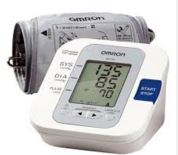
    bloodpressure
    Controlling Blood Pressure

    More and more Americans are being diagnosed with high blood pressure, and Mayo Clinic suggest that a poor diet is one of the biggest risk factors.

    The more sugar you eat, the more your bad cholesterol levels can increase resulting in hardening of the arteries which can lead to heart disease and increases in blood pressure

    Heart Disease and Sugar Intake
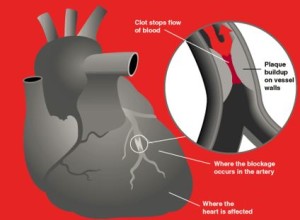
    heartdisease
                                     Heart Disease

    It doesn’t matter how much you weigh, consuming more sugar just increases your chances of developing heart disease and having a heart attack.

    Figures in the past have shown that people who consume 25% more sugar than everyone else have a stronger chance of dying of a heart attack.

    Sugar Is Addictive

    While sugar is not classed as a drug, its effects are similar to heroin. For this reason, sugar is just as addictive as illegal drugs. They hijack the same neural pathways as heroin and cocaine leaving people craving more and more.

    In addition, just like drugs, sugar can easily be abused.

    Sugar Is Linked To Fatty Liver Disease
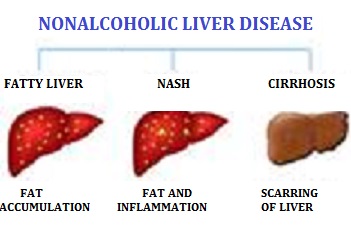
    fattyliver
     FATTY LIVER

    Sugar is largely composed of two simple types of sugars:

    • Fructose
    • Glucose

    Fructose is very much the “evil twin” and heads immediately to your liver. Over time, too much sugar can cause a fatty liver, which, if left untreated, can lead to chronic liver disease or cirrhosis.

    Sugar Is Linked To Diabetes
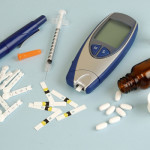
    causesofdiabetes
         Causes of Diabetes

    No doubt, the biggest connection researchers have made is the one between sugar and diabetes.

    Diabetes happens when your pancreas doesn’t create enough insulin (hormone that helps turn glucose into energy) or the cells of your body are not able to take up glucose to use for energy.

    Type 1 Diabetes occurs when your pancreas does not produce enough insulin.

    Type 2 Diabetes occurs when the cells do not utilize glucose appropriately, due to the development of obesity.

    Sugar Could Cause Cancer

    Although tests are still at their tentative stage, there is some research that suggests sugar could cause certain cancers.

    Sugar Rots Your Teeth

    Although sugar is certainly not the sole reason for oral issues, it can certainly cause some damage to your teeth.

    This is because it leaves behind a trail of debris in your teeth, which, over time, can lead to plaque and ultimately cavity formation.

    You’ll Feel Less Hungry

    Because sugar is so addictive, it just makes you want to eat more and more. Cutting it out from your diet will harmonize your appetite and you’ll no longer feel like a bottomless pit of starvation.

    If you want to optimize your health and the health of your children then start eliminating or at least decreasing sugar from your diet and start living a healthier, longer, more optimal life.


  • Target Heart Rate- Why You Should Know It

    The Target Heart Rate Controversy

    It’s always funny when there is controversy in working out, you’d think that if something is healthy for you and gets you moving there would be no way that anyone could think badly about it. But like with food, people have different opinions on what is best for the body and how hard we should be pushing ourselves. One of the biggest controversies in fitness is the target heart rate.

    Your target heart rate (also known as the fat burning zone) is that special place where your body has reached its peak ability to lose weight. The theory is that once you are in this zone it doesn’t matter how hard you push yourself, you will still only burn as much as you are burning when your heart rate enters that zone.

    If you want your workouts to maximize your ability to burn calories and tone, finding your target heart rate is supposed to teach you how to do that.

    But how do you find that heart rate? The easiest way is to do a simple Google search for ‘target heart rate calculator’, this will give you lots of options to choose from. Simply select one and answer a few questions and you will know your target heart rate in no time.

    One method of determining your target heart rate is to subtract your age in years from 220. Then take 0.75 times the result or ( (220 – age x 0.75)).

    Target heart rate example for 40 year old male:  220-40= 180 x 0.75= 135

    Once you have that number, you can get a heart rate monitor, like the FitBit, to monitor your heart rate while you are working out. It is interesting that despite the number of claims stating that using the target heart rate does not work, there are still so many gadgets out there designed to help you monitor your heart rate during your workout.

    Just remember, it is important to build yourself up to your weight loss goals and remember to respect your body. For example, don’t skip the warm up and cool down, this will keep you from properly working up to and coming out of your fat burning zone and could do you more harm than good.

    But let’s take a look at the other side of the coin for a minute. Some people believe that using your target heart rate during your workout is ineffective to say the least. The belief is that because you can reach your target heart rate without really pushing yourself to your limits during your workout you are not burning as many calories as you could otherwise.

    And there’s more. They also believe that when you workout using your target heart rate you miss out on one of the biggest benefits of exercise – the afterburn effect. What is the afterburn? Essentially it means that you are burning calories even after your workout is complete, meaning you are still getting benefits from your workout long after you have left the gym.

    Whether you are working out using your target heart rate or you choose to use something like tabata training so that you can get the benefits of the afterburn effect, the most important thing for you is to do what feels best for you. Don’t let others dictate your path to health, only you can do that.

  • 7 Ways Seniors Can Boost Energy In The Morning

    7 Ways Seniors Can Boost Energy In The Morning

    As we get older, we invariably have less energy, at least that’s how it feels. When we were younger, it seemed as though we would literally combust with the amount of surplus energy we had.

    When we weren’t playing tag on the playground, we were outrunning everyone else on the soccer field. A few years later, we were expounding plenty of energy in the workplace, getting up at 6.30am in the morning and then working out at the gym after work.

    We were just so energetic.lowenergy

    The older we get the more prone we are to living sedentary lives.

    Older people do have less energy than younger people, but they do not have to if they do the right things.

    Let’s take a look at 7 ways seniors can boost energy in the morning.

    1. Drink Green Tea

    Maybe you grew used to drinking a cup of Joe each morning before work when you were younger. Maybe you relied on it to give you the boost you needed. The problem is that coffee eventually gives us a crash that is really not nice as you get older. Instead, you should consider drinking green tea.

    Green tea is rich in powerful antioxidants that fight free radicals, which are detrimental to our mood and physical shape. Start the day with green tea and you’ll be ready to seize the day.

    2. Go For An Early Morning Walk

    Researchers at the University of Sydney say that if you sit more than 11 hours per day you’re more likely to increase your risk of death by 40% morningwalkthan folk who sit for only 3 hours or less a day.

    So why not start your day off in the right way by going out for a walk? This gives your circulation a chance to get going, and ensures that your joints are moving. It basically energizes your whole body.

    3. Drink Plenty Of Water

    If green tea isn’t really your thing, you still need to find a healthy alternative to tea and coffee, which are both diuretics and cause your body to lose a lot of water. In addition, when you dehydrate, you get tired.

    Drinking water keeps properly hydrated, which is great for energy.

    4. Do A Puzzle

    After you’ve eaten breakfast, why not indulge in a puzzle, such as a crossword?

    Puzzles keep you mentally sharp, and mental energy is just as vital as physical energy. If you’re mentally focused, you’re far likelier to get things done than if you’re mentally fatigued.

    5. Try Gardening

    As we get older, it’s important that we find a hobby that allows us to move our body. The problem is that many seniors fall into a routine of watching too much television.

    Gardening gives you the chance to increase daily movement. It’s a fun hobby that keeps you mentally and physically active and also improves your sense of purpose.

    6. Eat A Healthy Breakfast

    As well as green tea, it’s also important that you start the day with the right type of food.

    Fatty breakfasts, although tasty, only serve to fill your body with bad fats. These fats make you feel tired not just physically but also mentally, because they have a tendency to make their way up to your brain. Sneaky.

    7. Cut Out Smoking

    If you smoke in the morning (or at any point in the day), you’re essentially sapping yourself of much-needed energy. No smoke means better breathing and more energy.


Copyright @ 2017 DrCurtisMcElroy