Author: docmac

  • Learning To Deal With Common Causes of Stress in Your Life

    How To Deal With Three Common Causes of Stress in Your Life

    One way to tackle stress is to improve your health, your energy levels and your mood.

    By doing these things, you can help yourself to become more resilient and hardy to stress and you can avoid letting the smaller things bog you down.

    But that’s a fairly abstract way to combat anxiety that doesn’t always have an immediate effect.

    The other route to take then is to look at the specific causes of stress in your life – the stressors – and to remove them.

    Some of these will be big and some of them will be small, but all of them contribute to raising blood pressure and making us feel a little less calm and relaxed.

    The problem is, many of us can’t put our fingers on exactly what it is that is causing us stress and even when we do, it’s not always obvious how we can deal with the problems.

    Read on then and we will look at some of the most common causes of stress and at what you can do to deal with them once and for all…

    The Commute

    Did you know that the only ‘universal fear’ is things heading towards you?

    Thus, walking to work and having hundreds of people moving the other way down the street is pretty much a recipe for stress – especially if you’re running late or if you have a long way to travel.

    One solution then is to avoid the rush hour.

    You can do this by speaking with your employer and asking them to give you more flexible working hours: perhaps you could work 8am-4pm for instance instead of 9am-5pm?

    Alternatively, look at other ways of getting in, like cycling. Or just arrive a little early!

    ‘Open Loops’

    Many of us have lots of niggling jobs and stresses in the back of our minds that contribute to our stress. For instance, you might need to call your relative. Or maybe you have a bill to pay.

    These are what are known as ‘open loops’ and they can drain us of energy, focus and positivity. The solution is to deal with each of them as soon as possible rather than letting them drag on.

    Money

    Money is a huge stress for many of us and can cause many a sleepless night.

    The solution?

    Creating a budget.

    Budgets show us how much we’re losing and where and allow us to formulate a plan to get back on top. What you will often find is that simply cancelling some of your recurring bills and changing your lifestyle a little can make a big difference and help you to get back in the black.
  • Home Cardio Workouts

    4 At Home Cardio Workouts

    The best cardio workouts that you can do at home are the ones that do not require special exercise equipment.

    People often think that you need an elliptical machine, treadmill, or stationary bike to get a decent aerobic workout at home.  Oftentimes you will use more energy and burn more calories with body weight exercises.  Here are some low-impact and high-impact exercises for all levels of exercisers, from beginners to advanced.

    1. Walking or Running

    Most people will agree that walking and running are some of the best cardio exercises at home.  Walking is an excellent way for beginners to start a fitness routine.  If your body is in poor shape, start by walking for 10 minutes everyday.  Gradually increase the time until you are able to walk non-stop for at least half an hour.  You can increase the intensity of your cardio workout at home by jogging or running.

    2. Jumping Rope

    Jumping rope is a fun way to get a good cardio workout at home.  It’s a challenging, full-body workout that improves balance, coordination and endurance.  Fifteen minutes of jumping rope is often enough to get your heart pumping faster.  Try to jump rope for a total of 30 to 60 minutes, with rest periods every 10 to 15 minutes.

    3. Plyometrics

    Plyometric exercises consist of explosive movements that require a lot of effort and energy.  Some of the best exercises include jumping jacks, high knees, and squat-thrust jumps.  These high-intensity exercises should be done for 15 to 20 minutes to get the full benefits of a cardio workout.

    4. Froggy Jumps

    Froggy jumps are similar to jumping jacks.  They will improve your cardiovascular endurance and increase the power of your lower body.  One minute of froggy jumps can be combined with another cardio exercise to add intensity to your workout.

    To perform froggy jumps, start by squatting all the way down on the floor.  Put your hands on the floor in front of you.
    Push up from the floor in one explosive movement and jump up in the air as high as you can.  Tap your heels together as you jump and raise your hands up or place them behind your head.

    Bend your knees when you land to cushion the impact and protect your joints.  Go back to the squat position and prepare to make another jump.  Repeat 10 to 20 times.

    How to Begin Cardio Workouts at Home

    Everyone knows the importance of cardio exercise for a healthy heart.

    The best way to begin a cardio workout at home is to choose an exercise that you enjoy and can do easily.  Most people find that walking is the best aerobic exercise for them.  It does not require special exercise equipment and can be done almost anywhere.

    Cardio workouts at home should begin with 5 to 10 minutes of light cardio to warm up and slowly increase your heart rate.  To avoid injury, workout at your own pace.  You should not feel too much discomfort while working out.  You may be able to exercise for only a few minutes initially but if you are consistent with your workout your endurance will slowly increase.

    Gradually increase your workout time until you are able to do cardio workouts continually for 30 minutes per session.  As your fitness level improves, try adding more challenging exercises to your cardio workouts at home.

  • Is Taking Vitamins Necessary

    Why Is Adequate Vitamin Intake So Important

    Performing a plethora of roles to maintain good health and development, vitamins are essential nutrients that we can’t live without.
    Yet there are so many that perform wonders without our even actually being aware of it, until we don’t get sufficient amounts and problem occur.

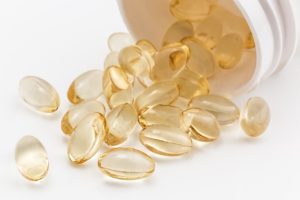
    vitamins

    Vitamins are characterized by the following:

    • They’re found naturally in food, with varying amounts
    • They can’t be made by the body (save for vitamin D after sun exposure)
    • They are organic in their structure and can be broken down by air, heat or acid, making it more difficult for your body to absorb them since cooking and storage affects their chemical structure – even exposure to air.
    • They’re crucial for normal and healthy development and functions
    • When they become absent from the diet, it can cause certain deficiencies

    There are 13 essential vitamins which are divided into 2 categories:

    Water-soluble

    – B vitamins
    – Biotin (vitamin B7)
    – Folic acid (folate, vitamin B9)
    – Niacin (vitamin B3)
    – Pantothenic acid (vitamin B5
    – Riboflavin (vitamin B2)
    – Thiamin (vitamin B1)
    – Vitamin B6
    – Vitamin B12
    – Vitamin C

    These vitamins need to be replenished on a daily basis since they’re easily absorbed into the bloodstream as food is digested or supplements are dissolved. Present in the watery sections of the food you eat, water-soluble vitamins are continuously regulated via your kidneys. Any excess is flushed out with urine.

    Some of the roles these vitamins play are:

    – produce and release energy
    – boost immune system
    – maintain tissue health
    – build proteins and cells
    – Produce collagen present in skin cells, blood vessel walls and gums that aids in the process of healing wounds

    Fat-soluble

    – Vitamin A
    – Vitamin D
    – Vitamin E
    – Vitamin K

    These vitamins are quite difficult to figure out because we’re more likely to be deficient in these types of vitamins; yet taking them for prolonged periods of time, especially supplements, can be toxic and very harmful to your health. These vitamins aren’t as easily transported through the body as water-soluble vitamins.

    In fact, any excess is stored in the liver and fat tissues for up to 6 months. First, they’re absorbed through the intestinal wall, then they enter the lymph vessels before making their way into the bloodstream.

    Most fat-soluble vitamins need a protein carrier to facilitate their movement throughout the body.

    Fat -soluble vitamins are responsible for the following:

    – protect vision
    – build bones
    – protect the body against illnesses, diseases, and free radical damage
    – blood clotting
    – formation of healthy red blood cells
    – interact together favorably to enhance absorption

    Vitamin Deficiencies

    Unfortunately, nutrient deficiencies are extremely common. The main culprits are poor diet, digestive problems, or chronic stress.

    “Nutrient deficiencies alter bodily functions and processes at the most basic cellular level,” says lecturer at the George Washington University Milken Institute School of Public Health in Washington, DC, Tricia L. Psota, PhD, RDN. “These processes include water balance, enzyme function, nerve signaling, digestion, and metabolism.

    Resolving these deficiencies is important for optimal growth, development, and function.” They can also lead to diseases and chronic illnesses.

    A common example is the lack of vitamin D and calcium can cause osteoporosis, a condition characterized by brittle bones.

    People who are at most risk for nutritional deficiencies are:

    – the elderly
    – athletes who train intensively for long periods of time
    – those with low income
    – smokers
    – consumers of alcoholic beverages

    Some of the most common symptoms of vitamin deficiency are:

    – hair loss
    – oral health problems
    – muscle cramps in the calves and arches of the feet
    – muscle weakness
    – fatigue
    – shortness of breath
    – dizziness
    – irregular heartbeats
    – mental fogginess

    Every one of the 13 vitamins has a certain role but each also works in unison with the other 12 to lead to best possible physical condition.

    This is why it’s so important to eat a balanced diet of fruits, vegetables, dairy, whole grains, beans and lentils, lean meat, and fish to make sure you’re getting all the essential nutrients your body needs to prevent deficiency, promote fat loss and enhance muscle gain.

    Supplements and multivitamins are a great way to make sure you’re getting the vitamins you need. Talk to your doctor to make sure you’re getting the right amount instead of getting too little and not getting the most out of your supplements or getting too much and increasing your risk for toxic reactions.

    A simple blood test is all you need to know whether or not you’re vitamin deficient.

Copyright @ 2017 DrCurtisMcElroy