Category: Internal Medicine

  • Is Heart Disease Preventable

    Is Heart Disease Preventable

    While it’s true that heart disease is the #1 cause of death in the US for both women and men, it’s also true that you have some control over certain risk factors that lead up to heart disease, even reverse some of the symptoms if they’re caught early on.

    heartdiseaseprevention

    Heart Disease is considered a lifestyle disease, which means its main causes are lifestyle choices such as diet and lack of exercise. This is good news as it means that we have an adequate amount of control over it.

    The important thing is to learn all you can about these factors and how they can be regulated so you can enjoy a healthy, strong disease-free heart.

    What exactly is heart disease?

    It’s usually a broad term which refers to several conditions relating to an unhealthy heart, which may include:

    • Heart attack
    • Stroke
    • Heart failure
    • Hardening of the arteries
    • Arrhythmia
    • Heart valve problems

    The good news is that there are things you can do to help avoid any type of heart disease. Generally, heart diseases doesn’t happen overnight. It develops over the years, and its symptoms may be spurred on or slowed down depending on the lifestyle choices you make starting from your early adulthood years.

    Some scientists even argue that it starts as early as your childhood because it’s all connected. This also makes sense from the perspective of heart disease being a lifestyle disease, as many of our eating and activity habits are solidified in childhood.

    When it comes to preventing heart disease, the American Heart Association and other health experts break it down into 3 categories:

    Primordial prevention is for those who have no risk factors that could result in heart disease. This type of prevention works at avoiding any type of inflammation within the lining of the heart, while maintaining heart health in order to ward off high blood pressure, extra weight, and high cholesterol.

    Primary prevention is meant to prevent someone who’s at risk for heart disease from having a heart attack, stroke, or develop any other type of heart disease, or need surgery or angioplasty. It provides a healthy, well-balanced lifestyle for individuals who suffer from high blood pressure or high cholesterol levels. Medications may also be prescribed in an effort to control these risk factors and bring them down to healthier levels.

    Secondary prevention which is the measures taken after someone has suffered from some type of heart disease or undergone heart surgery. These may include taking medications to lower cholesterol levels and aspirin to help prevent blood clots. It also includes eating healthier foods, exercising regularly to ward off stress and manage weight, quitting smoking if needed and regulating how much alcohol is consumed on a daily basis. The aim of secondary prevention is to defend against a second heart attack, and to stop any advancing heart disease symptoms.

    First things first, let’s find out what risk factors can’t be controlled so you can get them out of the way and focus on what you can control.

    Risk factors you can’t change:

    • Gender
    • Race/ethnicity
    • Family history
    • Age

    Risk factors within your control:

    • Manage your weight
    • Eat a healthy, well-balanced diet
    • Regular exercise
    • Low blood pressure
    • Low cholesterol and triglycerides (the most common type of body fats) levels
    • Maintain blood sugar levels
    • Limit alcoholic consumption
    • No smoking
    • Manage stress
    • Get quality, uninterrupted sleep

    Whether you’re working on maintaining a healthy heart or working at reducing certain risk factors, studies have proven that making healthy lifestyle choices can fend off nearly 80% of heart diseases, 75% of sudden cardiac deaths and 50% of strokes.preventingheartdisease

    It’s never too early to start making those smart choices and start investing in a healthier, brighter, longer life.

  • Seniors Can Improve Balance With These 3 Exercises

    3 Exercises That Will Help Seniors Improve Balance

    Have you been noticing that your balance just isn’t what it used to be? Maybe it was never very good. Either way, something needs to change. While there are countless, sometimes intensive, martial arts like tai chi and various yoga poses which could help you, we insist on an easier path.

    stayingbalanced

    You can do exercises to improve your balance pretty much anytime, anywhere, and as often as you like. That being said, you are going to need something sturdy nearby to hold on to if you become unsteady. When you first start out, a chair or wall is perfect.

    First exercise: Stand on One Foot

    This is a great one to try while waiting in lines, at the bus station, or while you watch a kung fu movie. As you get better there are tons of ways to challenge yourself with this too! To start out with though, it’s as simple as this:

    1. Grasp your sturdy surface (chair, desk edge, handrail, etc)
    2. Lift one leg off the ground carefully (we recommend lifting your weakest leg first, for safety)
    3. Hold this position for up to 10 seconds (if 10 seconds is too long or too short, adjust this time for your comfort—but keep it a challenge!)
    4. Repeat this 10 times.
    5. Switch legs.
    6. Repeat steps 1-4

    As always, the number of seconds or repetitions can vary. Please be safe, but not too comfortable. You can only improve through discomfort!

    Second exercise: Walking Heel-to-Toe


    To start, simply find an open space (big enough for 20-30 steps) near a wall for you to walk. No need to draw that chalk line, your body will do the work for you (though, if it helps, draw a line anyway).

    1. Position the heel of one foot just in front of the toes of the other foot. Your heel and toes should touch or almost touch.
    2. Look straight in front of you and pick a spot. Focus on it to keep you steady as you walk.
    3. Take a step. Put your heel just barely in front of the toe of your other foot.
    4. Repeat for 20 steps.

    Third Exercise: Balance Walking

    This last exercise is a bit advanced, and it might bode well to stay near that wall—just in case.

    1. Raise arms to sides, shoulder height.
    2. Choose a spot ahead of you and focus on it to keep you steady as you walk.
    3. Walk in a straight line with one foot in front of the other.
    4. As you walk, lift your back leg as high as you can without falling. Pause for 1 second before stepping forward.
    5. Repeat for 20 steps, alternating legs.


    While these exercises are simple in nature, it can benefit greatly to be creative. Go ahead and hold positions for longer, lift your legs higher, or walk farther. However you improve upon these exercises is up to you, as long as you are improving yourself.


  • Long Term Weight Loss Tips

    5 Tips for Long Term Weight Loss Success

    weightlossscale

    Losing weight can take a lot out of you, physically, emotionally, mentally. And many times, once it’s off, you feel like those calories will never return. But the sad truth is that we easily pack on the pounds soon after because we fall back into the same negative habits as before.

    If you’ve lost some weight, follow these 5 smart tips to guarantee that you keep it off for good:

    1. Don’t diet

    Dieters gain back their weight within 6 months to a year. Some even gain more than they lost after they stopped dieting. So instead of following some 10-week eating plan, why not change your entire outlook on food?

    Food shouldn’t be a substitute for anything. That’s the first rule. Food should be eaten for nourishment and sustainability. It should taste good and look good as well to appeal to all your senses without being loaded with processed sugars and oils.

    Make it a habit to eat foods rich in fiber, protein, omega-3 fatty acids, minerals and vitamins, like fruits, vegetables, whole grains, meat, and fish. These give you the sense that you’re full for longer, and they contain few calories. Use aromatic vegetables like onions and garlic, as well as spices and herbs to make your food look, smell and taste delicious. You can also use condiments to add flavor to your dishes.

    Another great trick to boost your metabolism and keep those calories burning all day is to eat small amounts several times throughout the day. Use small plates and enjoy a nourishing dish every 3 – 4 hours. This helps maintain blood sugar levels, so you don’t feel that slump in the afternoon while keeping your energy levels up and calories at a minimum.

    Also try to really focus on what you’re eating. Most of the time, we’re too busy or tired to notice how our food even tastes. This is one of the worst habits you can have because it forces you to eat more than you should and leaves you feeling bloated and heavy. Instead, take a few seconds to appreciate your food; its texture and smell.

    Taking in the whole experience of eating allows you to enjoy your food more without having the need to overindulge and eat more than you should.

    Also, never underestimate the power of water. Drinking lots of water daily, especially before meals, keeps your body hydrated, increases metabolism and helps you burn off more calories. You can add vegetable or fruit slices for a healthy kick.

    2. Strengthen your muscles

    weightlifting

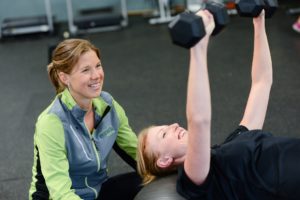
    As we age, we lose muscle mass which is why it’s crucial to start strengthening your muscles to prevent fatigue, loss of balance and weak bones. Also, muscle tissue burns more calories, even when you’re not working out, than fat. Yet another reason to stretch and pump those muscles.

    3. Accept the setbacks

    There will be days when you’re faced with difficult decisions, like a party at work or going out with friends. If you can plan ahead, then you’re one step ahead of the game. You can fill up on healthy snacks before the event, or even have something in your bag you can munch on like carrot sticks or a granola bar.

    There will also be cravings that gnaw at you until you can’t take it anymore. More often than not, cravings are never really about the food. They can be a signal that your body lacks a certain mineral. For example, when you crave chocolate, what your body is really saying is that it’s lacking in magnesium.

    Cravings could also be a reaction to a stressful day at work, or an emotional problem you’re going through. All cravings last about 20 minutes so find something to distract yourself; watch TV, read a book, even brushing your teeth will quickly kill off your craving.

    4. Surround yourself with supportive friends and family

    People who believe in the same things as you make it easier to enjoy a healthy, well-balanced lifestyle. They support you and believe in what you’re doing, and sometimes even take the time to be your workout buddy or prepare meals with you. And, in turn, they become your accountability partner so that if, and when, you slip up, you have someone that provides understanding and support.

    5. Exercise

    The suggested minimum for maintaining weight loss is 250 minutes per week. This comes down to about 45-50 minutes of moderate activity for 5 days. While these numbers may seem disheartening, it’s actually simpler than you may think.

    jumpingropeforexercise
    Jumping Rope For Exercise

    Pick an activity you enjoy, as walking, swimming, gardening, and start at your own pace. You can also mix and match, so you don’t get bored.

    To make things even more fun, get a workout buddy, or join a gym and start meeting new people. After a while, exercising will become a natural part of your daily routine, and you’ll even start to look forward to it.

Copyright @ 2017 DrCurtisMcElroy