Category: Internal Medicine

  • Improve Your Life by Getting Enough Sleep

    Improve Your Life by Getting Enough Sleep

    Surprising Ways Getting Enough Sleep Makes Your Life Better

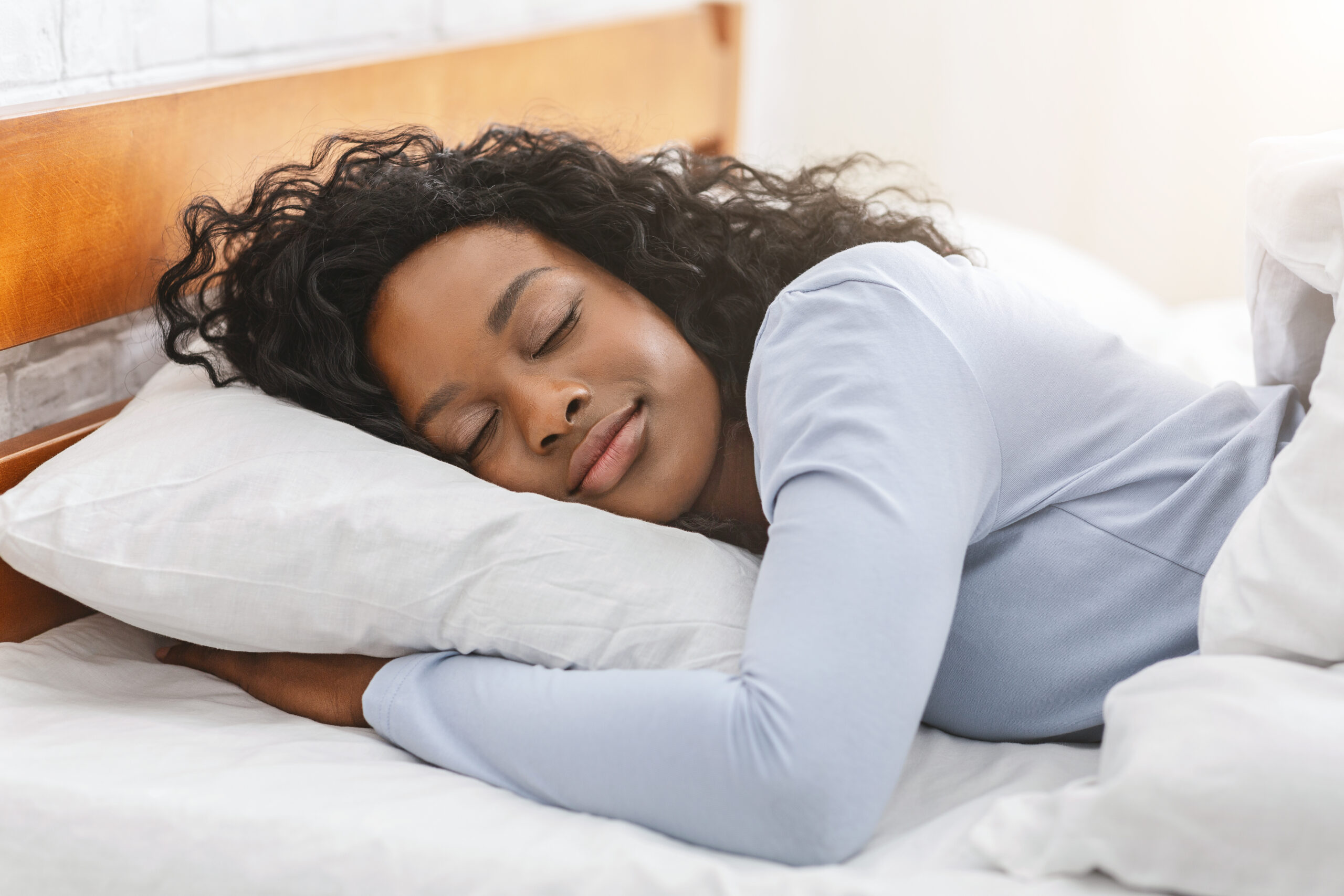
    You’ve probably read about how important it is to get enough sleep. And you know how bad you feel the next day after a sleepless night. But you may not realize how much your sleep affects the deep systems of your body.

    Without enough sleep, you’re setting yourself up for a range of poor health outcomes, from depression to diabetes.

    Getting your full seven to nine hours of good sleep can have an enormous range of surprising benefits:

    You will think better

    Studies have shown that your brain functions much better on regular restful sleep. Sleep is the downtime your brain needs to do essential chores like consolidating memories, processing emotions and recovering from the days processing.


    You will perform better at work

    You need to be performing at your best in the office, and for that, you need to have your brain operating at its top capacity. REM sleep is necessary to be able to solve problems and come up with innovative solutions.

    As you spend only 20% of your sleep time in REM sleep, you need to make sure you get enough sleep overall to get your full dose of REM.

    Sleep helps keep your genes healthy

    Scientists have found that chronic sleep deprivation affects the functioning of your genes. Sleep is necessary for proper gene function including the genes that influence your immunity, inflammation and how well you deal with stress.


    You will age better

    Sleep is super important for the production of collagen which is crucial for skin repair and cell renewal as well as skin hydration. Not getting enough sleep sets you up for premature skin aging, as you’re not producing enough collagen. Your skin also needs sleep to recover from sun exposure. So, do your skin a favor and get some sleep!

    You may live longer

    Getting enough sleep is crucial for the body’s cells to renew and repair. All of your body’s systems use the downtime of sleep to recalibrate and process, getting rid of waste products and strengthening cell walls.

    Your immune system can recharge and prepare itself better to fight off disease and illness. Your body will be in much better shape to deal with the stresses of the day.

    Even if you’re finding it difficult to get a full eight hours, science has found that regular cat naps to supplement your night’s sleep can help.

    Harvard researchers found that the risk of heart disease was reduced by thirty percent by taking a daily nap.

  • 3 Ways to Make Sure You Get All the Sleep Your Brain Needs to Stay Healthy

    3 Ways to Make Sure You Get All the Sleep Your Brain Needs to Stay Healthy

    3 Ways to Make Sure You Get All the Sleep Your Brain Needs to Stay Healthy

    It seems like insomnia is a modern epidemic. Whether you deal with insomnia or you are chronically sleep-deprived, it’s likely that poor sleep is affecting your performance.

    Sleep deprivation feels terrible. You will have noticed that if you’ve had a bad night’s sleep, you feel sluggish, heavy, and slow, as though you’re trying to walk through syrup. You’re clumsy and confused, you drop things, and nothing seems to go right.

    As well as making you feel bad, a chronic lack of sleep can have physical effects on your brain.

    Sleep deprivation impairs your ability to process and store memories and can even increase your risk of Alzheimer’s disease.

    Two proteins associated with Alzheimer’s, beta amyloid, and the tau protein, increase with chronic poor sleep. There is some evidence in laboratory tests on mice that sleep helps to clear these proteins from the brain.

    The good news is that there are things you can do to improve your sleep health to keep your brain in tip-top shape.

    Find Out Your Own Best Sleep Levels

    Everyone has their own individual sleep needs. Famously, British politicians Winston Churchill and Margaret Thatcher needed very little sleep, but only getting four or five hours a night is not recommended for most people. Whether you need seven hours or ten, find out what is enough sleep for you.

    Enough sleep means waking up without needing an alarm, feeling rested and energetic, and not needing coffee to get you through the day.

    Improve your Sleep Hygiene

    Studies have shown that the hour or two before bedtime has a powerful effect on the quality of your sleep. Schedule in some proper downtime, and stop using blue light-emitting devices like smartphones, computers, tablets, and television an hour or so before you plan to go to bed. Read a book, take a relaxing bath, or listen to calming music instead.

    Don’t Lie There Trying to Sleep

    If you can’t sleep after ten minutes, get out of bed and do something else. Lying in bed, getting stressed because you can’t sleep is a recipe for poor sleep and insomnia. You’re also likely to start brooding, mulling over problems or running over the events of the day.

    Get up do something relaxing like reading or meditating until you feel sleepy. It’s okay to do this more than once, even multiple times.

    You’re trying to train your brain to think of bed as a sleeping place, not a thinking place.

    Improving your sleep will help you to feel calmer, be more productive, and may lower your risk of Alzheimer’s later in life.

  • Physical Fitness for Cold Weather Survival

    Physical Fitness for Cold Weather Survival

    Physical fitness plays a crucial role in cold weather survival, often determining your ability to perform necessary tasks, withstand harsh conditions, and ultimately, survive. For preppers, being physically fit is not just about strength or endurance, but preparing your body to handle the specific challenges posed by cold environments.

    In cold weather, your body works harder than usual to maintain its core temperature. This increased effort means that even simple tasks can become more taxing. Your fitness level directly impacts your body’s ability to regulate its temperature and perform under these conditions.

    Therefore, focusing on cardiovascular health is essential. Activities like running, cycling, and swimming build cardiovascular endurance, preparing your body to work efficiently in low-temperature environments.

    Strength training is also vital for cold weather survival. Tasks like chopping wood, carrying supplies, or even trekking through deep snow require muscular strength and endurance.

    Full-body workouts that focus on core strength, as well as the major muscle groups, are beneficial. Exercises like squats, deadlifts, push-ups, and pull-ups build the functional strength you’ll need in a survival scenario.

    Flexibility and mobility exercises are often overlooked but are just as important. Cold weather can cause your muscles to become stiff and less responsive. Regular stretching and mobility exercises can improve your flexibility, reduce the risk of injury, and improve your body’s ability to perform tasks efficiently.

    Balance and coordination are critical in snowy and icy conditions where the risk of slips and falls is high. Activities like yoga or tai chi, which focus on balance, can be incredibly beneficial.

    They not only improve your physical balance and coordination but also help with mental focus and stress management, which are crucial in survival situations. Endurance is another key aspect of physical fitness for cold weather survival.

    Activities like hiking, especially in cold conditions, can help acclimate your body to the environment. It also prepares you for the possibility of long treks in search of shelter or resources.

    Layering your clothing during these exercises can help you learn how to manage sweating and understand your body’s response to exertion in the cold. In addition to these exercises, incorporating outdoor skills training into your fitness regimen can be highly beneficial.

    Practicing skills like building shelters, foraging, or navigating in the cold not only improves your survival skills but also tests your physical fitness in conditions similar to what you might face in a real scenario.

    For preppers, physical fitness for cold weather survival is about more than just being strong or enduring; it’s about preparing your body to handle the specific demands of survival in cold conditions.

    This preparation involves a balanced approach to fitness, incorporating cardiovascular health, strength, flexibility, balance, and endurance. Regularly training and testing your body in cold environments will not only improve your physical fitness but also build the mental resilience needed for survival. Remember, your physical fitness can be one of your greatest assets in survival.

Copyright @ 2017 DrCurtisMcElroy