Tag: vitamins

  • Natural Healthy Energy Boosters

     Maintaining a high level of energy naturally is crucial for overall productivity and well-being. Instead of relying on synthetic stimulants that often lead to crashes, many are turning to natural energy boosters.

    These enhancers provide a sustained energy lift without the adverse effects associated with traditional energy drinks or supplements. Natural energy boosters often derive their benefits from plant-based ingredients that support bodily functions without overwhelming them.

    This method ensures a smoother and more sustainable release of energy, contrasting sharply with the rapid and often erratic spikes in energy caused by synthetic alternatives. These natural options often come with secondary health benefits, such as antioxidants and vitamins, which contribute to overall health and not just immediate energy levels.

    boostenergy

    The Role of Balanced Nutrition in Sustained Energy


    A balanced diet is foundational to natural energy. Foods rich in complex carbohydrates, lean proteins, and healthy fats provide the body with a steady supply of fuel. For example, whole grains release glucose gradually, keeping energy levels consistent throughout the day.

    Pairing these with proteins and fats can further stabilize blood sugar and prevent spikes and crashes, fostering prolonged energy availability. Incorporating a variety of fruits and vegetables can also enhance this balanced diet, as they are packed with essential nutrients and fiber that aid in energy production and maintain prolonged satiety.

    Regular intake of nuts and seeds, which are good sources of magnesium and zinc, helps improve energy production by enhancing enzyme function critical for energy metabolism. This holistic approach to diet ensures that each meal contributes to sustained energy levels, supporting overall vitality and health.


    Vitamin Complexes: Vital for Energy Production

    Vitamins play a critical role in converting food into energy. A robust vitamin complex, particularly B-vitamins, is essential for energy metabolism. These vitamins help in the enzymatic processes that convert dietary carbohydrates, proteins, and fats into energy.

    Ensuring a diet rich in B-vitamins from sources like leafy greens, nuts, and whole grains can significantly enhance energy levels naturally. Vitamin C is another crucial component that aids in the conversion of fat into energy, enhancing endurance and reducing fatigue.

    It also supports the immune system, which can contribute to overall energy levels by keeping the body healthy and more resilient to infections. Ensuring adequate intake of citrus fruits, strawberries, and bell peppers, which are rich in Vitamin C, can therefore not only boost energy but also fortify the body’s natural defenses.


    L-Theanine: A Unique Amino Acid for Focus and Energy

    L-Theanine, an amino acid found predominantly in tea leaves, is known for its unique ability to enhance mental focus alongside energy. Unlike the jittery rush provided by caffeine, L-Theanine promotes a calm, focused form of energy.

    It helps in smoothing out the highs and lows of caffeine, providing a balanced and sustained energy boost when paired with natural caffeine sources like green tea. This amino acid also enhances alpha brain waves, which are associated with a state of “wakeful relaxation.”

    This state is ideal for those who need to remain alert yet relaxed during demanding tasks. Additionally, L-Theanine has been shown to improve sleep quality, which indirectly contributes to better energy levels during waking hours by ensuring more restorative sleep cycles. By supporting both mental clarity and a calm demeanor, L-Theanine proves to be an invaluable natural supplement for managing daily energy effectively.


    Adaptogens: Nature’s Stress Reducers and Energy Enhancers

    Adaptogens are a class of herbs that support the body’s natural ability to handle stress and balance energy levels. Herbs like Rhodiola Rosea and Ashwagandha not only help in managing stress but also boost energy levels by enhancing mitochondrial function—the powerhouses of cells that generate energy.

    Incorporating these adaptogens into your daily routine can lead to improved energy levels and resilience against stress. Adaptogens such as ginseng and holy basil further enhance cognitive function and physical stamina, making them essential for those facing mental or physical exertion.

    Regular use of these herbs can help modulate the body’s stress-response system, stabilizing hormones and energy metabolism. This can result in a more balanced mood and increased productivity, as well as the prevention of energy dips throughout the day. Their holistic effects make adaptogens a vital part of maintaining sustained energy and overall wellness.


    Physical Activity: Catalyzing Natural Energy


    Engaging in regular physical activity is another effective way to boost energy naturally. Exercise increases oxygen flow to the brain and muscles, enhancing overall energy production and efficiency.

    Even short bursts of activity, such as a brisk walk or a few minutes of stretching, can release endorphins, improving mood and energy levels quickly and effectively. Regular exercise helps to regulate sleep patterns, which is crucial for optimizing energy levels throughout the day.

    By promoting deeper and more restful sleep, physical activity ensures that the body is properly rested and rejuvenated, ready to tackle daily tasks with renewed vigor. Engaging in a variety of exercises can prevent routine fatigue and keep the workout regimen interesting, which contributes to long-term consistency and enhanced energy management.


    Hydration: The Underrated Energy Booster

    Many people overlook hydration as a simple yet effective energy booster. Dehydration can lead to fatigue and diminished alertness. Drinking adequate water throughout the day helps maintain optimal blood flow and nutrient absorption, essential for energy production.

    Infusing water with natural flavors like citrus or mint can make it more enjoyable, encouraging better hydration habits. Staying well-hydrated also supports the efficiency of the body’s cooling system, preventing overheating during physical activity, which can deplete energy levels.

    Adequate hydration helps to flush toxins from the body, which can otherwise accumulate and lead to sluggishness. By maintaining hydration, individuals not only boost their energy but also enhance their overall health by supporting vital organ functions and maintaining clear, cognitive functioning.


    Building a Sustainable Energy Boosting Routine

    Adopting a holistic approach to boosting energy naturally involves integrating nutritional strategies, regular physical activity, and balanced lifestyle habits, just as with boosting metabolism.

    By focusing on nutrient-rich foods, incorporating vitamins and adaptogens, and maintaining regular physical activity, individuals can enhance their energy levels in a sustainable manner.

    Embracing these natural energy boosters not only enhances day-to-day vitality but also contributes to long-term health and well-being, enabling individuals to thrive in their daily activities without relying on artificial stimulants.
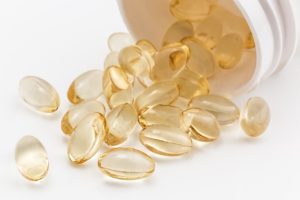
     

  • Is Taking Vitamins Necessary

    Why Is Adequate Vitamin Intake So Important

    Performing a plethora of roles to maintain good health and development, vitamins are essential nutrients that we can’t live without.
    Yet there are so many that perform wonders without our even actually being aware of it, until we don’t get sufficient amounts and problem occur.

    vitamins

    Vitamins are characterized by the following:

    • They’re found naturally in food, with varying amounts
    • They can’t be made by the body (save for vitamin D after sun exposure)
    • They are organic in their structure and can be broken down by air, heat or acid, making it more difficult for your body to absorb them since cooking and storage affects their chemical structure – even exposure to air.
    • They’re crucial for normal and healthy development and functions
    • When they become absent from the diet, it can cause certain deficiencies

    There are 13 essential vitamins which are divided into 2 categories:

    Water-soluble

    – B vitamins
    – Biotin (vitamin B7)
    – Folic acid (folate, vitamin B9)
    – Niacin (vitamin B3)
    – Pantothenic acid (vitamin B5
    – Riboflavin (vitamin B2)
    – Thiamin (vitamin B1)
    – Vitamin B6
    – Vitamin B12
    – Vitamin C

    These vitamins need to be replenished on a daily basis since they’re easily absorbed into the bloodstream as food is digested or supplements are dissolved. Present in the watery sections of the food you eat, water-soluble vitamins are continuously regulated via your kidneys. Any excess is flushed out with urine.

    Some of the roles these vitamins play are:

    – produce and release energy
    – boost immune system
    – maintain tissue health
    – build proteins and cells
    – Produce collagen present in skin cells, blood vessel walls and gums that aids in the process of healing wounds

    Fat-soluble

    – Vitamin A
    – Vitamin D
    – Vitamin E
    – Vitamin K

    These vitamins are quite difficult to figure out because we’re more likely to be deficient in these types of vitamins; yet taking them for prolonged periods of time, especially supplements, can be toxic and very harmful to your health. These vitamins aren’t as easily transported through the body as water-soluble vitamins.

    In fact, any excess is stored in the liver and fat tissues for up to 6 months. First, they’re absorbed through the intestinal wall, then they enter the lymph vessels before making their way into the bloodstream.

    Most fat-soluble vitamins need a protein carrier to facilitate their movement throughout the body.

    Fat -soluble vitamins are responsible for the following:

    – protect vision
    – build bones
    – protect the body against illnesses, diseases, and free radical damage
    – blood clotting
    – formation of healthy red blood cells
    – interact together favorably to enhance absorption

    Vitamin Deficiencies

    Unfortunately, nutrient deficiencies are extremely common. The main culprits are poor diet, digestive problems, or chronic stress.

    “Nutrient deficiencies alter bodily functions and processes at the most basic cellular level,” says lecturer at the George Washington University Milken Institute School of Public Health in Washington, DC, Tricia L. Psota, PhD, RDN. “These processes include water balance, enzyme function, nerve signaling, digestion, and metabolism.

    Resolving these deficiencies is important for optimal growth, development, and function.” They can also lead to diseases and chronic illnesses.

    A common example is the lack of vitamin D and calcium can cause osteoporosis, a condition characterized by brittle bones.

    People who are at most risk for nutritional deficiencies are:

    – the elderly
    – athletes who train intensively for long periods of time
    – those with low income
    – smokers
    – consumers of alcoholic beverages

    Some of the most common symptoms of vitamin deficiency are:

    – hair loss
    – oral health problems
    – muscle cramps in the calves and arches of the feet
    – muscle weakness
    – fatigue
    – shortness of breath
    – dizziness
    – irregular heartbeats
    – mental fogginess

    Every one of the 13 vitamins has a certain role but each also works in unison with the other 12 to lead to best possible physical condition.

    This is why it’s so important to eat a balanced diet of fruits, vegetables, dairy, whole grains, beans and lentils, lean meat, and fish to make sure you’re getting all the essential nutrients your body needs to prevent deficiency, promote fat loss and enhance muscle gain.

    Supplements and multivitamins are a great way to make sure you’re getting the vitamins you need. Talk to your doctor to make sure you’re getting the right amount instead of getting too little and not getting the most out of your supplements or getting too much and increasing your risk for toxic reactions.

    A simple blood test is all you need to know whether or not you’re vitamin deficient.

  • 6 Reasons We Get Sick Alot

    6 Reasons We Get Sick Alot

    Some people seem to be ill all the time, and pick up every bug that’s going. In contrast, others always seem to healthy and very rarely do they get a cold.

    For those who get sick a lot the impact on overall quality of life can be devastating. Lack of energy that comes with not feeling well can affect how well you perform at work and at home. It can also lead to mild depression as down time begins to take its toll.

    The first thing you should do is see your doctor and get a full checkup to be sure that there is not something serious causing you to be ill more than the average person is.

    Second, keep in mind that it is not simple luck that some are very healthy, while you seem to catch something every other month. There are some well-researched reasons as to why some people get ill much more often than others do.

    1. Diet

    There are so many sayings around about healthy eating, such as ‘you are what you eat’; this has never been truer. Your body needs a well-balanced, healthy diet that provides all the essential food groups and vitamins. Without this, your body cannot function effectively and fight any infections away. Different people, and those of different ages, require a slightly different diet. It is important to know what diet suits your body best, and try to stick to it. This will ensure your body is in fighting fit condition, so any small bug that comes your way can quickly and easily be fought off without it turning into a proper illness.

    2. Sleep Deprivation

    Quite simply, if you don’t get enough sleep, you will become ill. Sleep enables the body to rest and recover, and without this, it will be unable to function properly. During sleep, the immune system produces proteins that fight inflammation and disease. When you are sick or stressed, your body needs even more of these proteins; without sleep, your body simply cannot make enough to fit the infection.

    While sleep deprivation leads to increased illness like colds and flu, it has been shown to have much more harmful and long lasting effects. Conditions such as heart disease, obesity, and diabetes have all been linked to sleep deprivation.

    3. Stress

    We all experience stress in some form, and in small doses, it can be healthy. However, when we become too stressed for too long, our health is significantly affected. Research has repeatedly shown that chronic stress directly affects our immune system, weakening it and making us much more susceptible to illnesses.

    Stress directly contributes to minor illnesses, but also much more serious conditions such as heart disease, obesity, and cardiovascular disease. Too much stress is also linked to sleep deprivation – how many times have you not been able to sleep because you have too much on your mind that you worrying or stressing about? In short, too much stress is very bad for our health.

    4. Nutrients and Vitamins

    While all vitamins and nutrients are important, some are especially good at fighting off infection and illnesses. Magnesium in particular, helps us to manage stress, and react to situations. When we are stressed, unwell or sometimes even just cold, we are using up our stores of magnesium. Unless this is replaced, we will be running low and therefore more likely to get ill.

    Similarly, vitamin D is essential for many basic functions, and it is much harder to get sufficient levels in the winter. Vitamin C is an essential component to the immune system, and without it, you will be much more likely to get ill. If you are not getting enough vitamins and other necessary nutrients through your daily diet, consider taking a supplement to ensure you are always topped up and able to fight any illness that comes your way.

    5. Dehydration

    Every part of our body depends on a sufficient amount of water to function correctly. Without enough water, vital organs and muscles will struggle. Each day we lose a large quantity of water through our bowels, sweating, and urinating. Imagine how dry and sore your throat would be without any moisture or water.

    Dehydration happens when you are not replacing lost fluids adequately, and your body starts to struggle. It may not seem like a big problem at first, as the symptoms are similar to that of a mild cold or headache. However, dehydration can become life threatening if left long enough.

    6. Overwork

    Are you a workaholic? Do you work much more than you rest or relax? Is work always your first and foremost priority? This can well contribute to being run down and when you are run down, you are more susceptible to illness.

    Bottom Line

    There is no magic to wellness; it really is all about self-care. It takes effort to maintain a high level of good health, but you are well worth it!

Copyright @ 2017 DrCurtisMcElroy