Tag: vitamin D

  • Can Your Diet Affect Depression

    Can Your Diet Affect Depression

    The following article discusses 7 foods and nutrients that can help in the managingdepressionmanagement of depression.
    Depression is a mental illness that can greatly reduce a person’s quality of life. When depressed, you may find it difficult to function on a daily basis due to feelings of worthlessness, hopelessness or guilt. Treatment for depression is a complicated and sometimes long process that involves medications and therapy. Therefore, it is wise to visit a doctor if you think you’re suffering from depression.
    When depressed, you may find it difficult to function on a daily basis due to feelings of worthlessness, hopelessness or guilt. Treatment for depression is a complicated and sometimes long process that involves medications and therapy. Therefore, it is wise to visit a doctor if you think you’re suffering from depression.

    depressionandhealth
    Depression and your health.

    Treatment for depression is a complicated and sometimes long process that involves medications and therapy. Therefore, it is wise to visit a doctor if you think you’re suffering from depression.

    However, there are some things you can do to help or event prevent depression. One overlooked method is through nutrition. Nutrition experts and researchers have found that what we eat can have both a positive and negative impact on our mood. Here are 7 foods that are shown to help:

    Nutrition is an overlooked way of managing depression. Nutrition experts and researchers have found that what we eat can have both a positive and negative impact on our mood. Here are 7 foods that are shown to help:

    Nutrition experts and researchers have found that what we eat can have both a positive and negative impact on our mood. Here are 7 foods that are shown to help:

    The following are 7 foods that may help in preventing or managing depression:

    #1: Chocolate

    This is arguably one of the most popular “comfort snacks” that people indulge in after having a bad day. However, there is scientific evidence that suggests eating chocolate in moderation can actually make you feel better.
    chocolate

    One study done in the Netherlands found that men aged between 64 and 85 who consumed cocoa regularly experienced lower blood pressure than those who did not. Another reason chocolate has been found to have a calming effect is how its nutrients interact with the brain.

    Dark chocolate triggers release of endorphins, the neuropeptides that reduce stress and induce feelings of euphoria. As a result, indulging in a few bars of chocolate once or twice per week can be a great way to boost your mood and still stay on track with your target weight goals.

    #2: Berries

    Berries are known for their high levels of antioxidants. Antioxidant foods provide a wide range of health benefits, one of which is promoting a better sense of well-being. The Journal of Nutritional and Environmental Medicine published a study, which documented

    berries

    The Journal of Nutritional and Environmental Medicine published a study, which documented treatment of patients with antioxidants and placebos over a period of two years.

    Patients treated with antioxidants had lower depression scores than those in the placebo group.

    Blueberries, strawberries, blackberries and raspberries are not only rich in antioxidants but also good sources of vitamin C.

    This nutrient has shown to be helpful in reducing levels of Cortisol, the body’s stress hormone. Therefore, including berries in your diet can help you stay calm or at least help prevent stress from advancing into full-blown depression.

    #3: Complex Carbohydrates

    Carbohydrates trigger the release of serotonin, the mood-lifting neurotransmitter produced in our brains.

    If you eat ample amounts of carbs, this helps to induce a sense of contentment throughout the day. Sugary and processed foods are not good sources of carbohydrates since they will only cause blood sugar levels to fluctuate, which in turn cause mood swings.

    Instead, opt for complex carbs from whole grains, fruits and vegetables, which metabolize at a slower rate and keep blood sugar balanced. Complex carbs also provide a steady release of glucose for energy conversion, which in turn helps to combat fatigue, one of the common symptoms of depression.

    #4: Tryptophan

    Tryptophan is an amino acid that plays a critical role in the production of serotonin, the neurotransmitter responsible for making us feel content.

    Nutrition researchers have linked low serotonin levels with anxiety, depression, fatigue and even insomnia. To ensure that your body is making enough serotonin, ensure to eat foods that are rich in tryptophan such as eggs, milk, cheese, beef, lean chicken, turkey, spinach, pumpkins, nuts, and peas.

    #5: Omega 3 Fatty Acids

    Omega-3 fatty acids help to treat a wide range of health conditions. The main benefit of these nutrients is improved brain function.

    The association between omega-3 and depression is especially evident in communities that don’t eat enough of these healthy fats, in which case, depressive disorder rates tend to be high.

    salmon

    Seafood such as tuna, salmons, sardines, herring and rainbow trout are rich sources of omega-3 fatty acids. Besides fish, omega-3 can be found in walnuts as well as flax, hemp and chia seeds.

    #6: B Vitamins

    One Spanish study that involved 5,459 women and 4,211 men found that rates of depression tended to rise among test subjects who got less B12 vitamins in their diet regardless of gender. Researchers are not sure whether

    Researchers are not sure whether lack of B vitamins causes depression or depression leads people to eat poorly. In any case, B vitamins are considered anti-stress nutrients that help to reduce anxiety and even treat symptoms of depression.

    Nutrition experts have found that folic acid (vitamin B9), niacin (vitamin B3), and pyridoxine (vitamin B6) support the amino acid tryptophan to manufacture serotonin, the “feel good” chemical.

    To prevent depression with the help of B vitamins, ensure to include legumes, nuts, whole grains, leafy greens vegetables, milk, eggs, red meat, and chicken in your diet.

    #7: Vitamin D and Selenium

    Selenium is an essential trace mineral found in lean meats, nuts, beans, seafood and whole grains.

    Several studies have linked deficiencies of this mineral and vitamin D with depression. You can get free vitamin D while basking in the sun, but other excellent food sources include milk, tofu, and fish.

    Can You Eat Your Way to a Better State of Mind?


    While there is a growing body of scientific evidence that suggests certain foods can uplift mood, using nutrition to fight depression might not work for everyone.
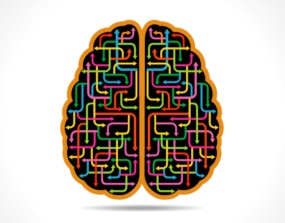
    brain wired

    Depression may be caused by many different factors that range from the way your brain is wired, to financial problems, a stressful lifestyle, and health issues, to loneliness, loss of a loved one or early childhood trauma.

    If trying to prevent this disorder through nutrition does not work, consult a psychiatrist in order to identify the cause of depression and best ways to deal with it.

  • Achieving Better Bone Health

    The following discussion involves the steps for achieving better bone health.

    Did you know that by the time both men and women reach around 30 years old, their bone density has reached its peak? After the age of about 30, bone mass, also known as bone density, begins to decline. Around age 40 the bone loss picks up its pace and you lose around .5% each year.

    While that may not seem like much, this bone loss adds up quickly and can result in debilitating fractures and diseases called Osteopenia and Osteoporosis. Over the course of this report we’ll take a look at the dangers and risks of bone loss and the steps you can take to improve your bone health now.

    It’s vitally important to know that it’s never too late to take steps to strengthen your bones. If you’re younger than 30 then now is the time to really boost your bone health. If you’re over age 30 then you can take steps today to begin to slow down the bone loss process.

    Let’s first take a look at the two diseases that identify bone loss, osteopenia and osteoporosis.

    What is Osteopenia?

    Osteopenia refers to bone mineral density (BMD) that is lower than normal peak. It’s not low enough to be classified as osteoporosis. Think of it like pre-osteoporosis. It’s a strong warning sign that you have low bone mineral density and it’s time to take drastic measure to reduce the loss.

    The thicker and stronger your bones are when you’re at age 30, the better. This is because it’ll take longer for you to develop osteoporosis or osteopenia. Women are more likely to develop osteopenia and osteoporosis because the hormone, estrogen, plays a direct role in bone development. When estrogen levels begin to decline, bone density also declines.

    Some people with thin bones or naturally lower bone density may have osteopenia but not actually have any bone loss. This isn’t’ common. Osteopenia is usually due to changes in diet, exercise, and hormone levels due to gain.

    What is Osteoporosis?

    Osteoporosis is “a disease in which bones become fragile and more likely to fracture. Usually the bone loses density, which measures the amount of calcium and minerals in the bone.” (National Library of Medicine)

    Without an exercise intervention, after the age of 40, bone mass decreases by about 0.5% per year, regardless of sex or ethnicity.

    According to data collected by the Sport Journal, in the U.S., it has been estimated that by 2025 the number of hip fractures attributed to osteoporosis will double to nearly 2.6 million. Women aren’t the only people who suffer from bone loss and osteoporosis, men account for 29% of the two million fractures that occur each year in the U.S. Fractures of the wrist, spine, and hip are the classic osteoporotic fractures. The majority of hip fractures happen in men and women over the age of 75. More than 40% occur in those over the age of 85.

    How is Osteoporosis Diagnosed?

    Unfortunately, most often osteoporosis is diagnosed after someone has suffered a broken bone. A diagnosis of osteoporosis is made by history of previous fractures as an adult over the age of 50 or assessment of bone density at the hip or spine by a special type of x-ray.

    The good news is that you can go to your doctor and have your bone density measured right now. This helps you establish a baseline. During your annual physical you can measure your bone density to make sure you’re not losing bone as you age.

    Osteoporosis & Osteopenia Risks

    We’ve already mentioned that both men and women experience bone loss and that both genders can get osteoporosis. However, there are other risk factors:

    • Advanced age
    • White or Asian woman
    • History of previous fracture
    • Body weight less than 127 pounds
    • History of mother or father with hip fracture
    • Drinking more than two alcoholic beverages a day
    • Smoking
    • Certain chronic diseases like Rheumatoid arthritis, Diabetes, type 1 or 2, Inflammatory Bowel Disease
    • Certain medicines like Corticosteroids or Proton pump inhibitors

    The risks of osteoporosis include fractures and a slowly deteriorating posture. The most common fractures include the hip, wrist, and spine. When you fracture a hip it can take years to recover and as you’re recovering from hip surgery mobility becomes painful and virtually impossible. It’s not uncommon for an elderly person to suffer a hip fracture and then become dependent on a walker or a wheelchair.

    Spinal fractures sound scary, however most spinal fractures from osteoporosis result in small cracks. The spine begins to degrade and compress. This causes the slumped posture or what’s referred to as the dowager’s hump. It’s when the spine compresses due to numerous small fractures and begins to curve forward. It’s uncomfortable and makes free movement difficult. The point isn’t to frighten you or to paint a terrible picture of your future. The hope is that with a few small changes to your daily habits, you can prevent bone loss and maintain strong and healthy bones.

    How Do I Know if I have Bone Loss?

    In addition to having your doctor give you a bone density test. This is a simple test that uses x-rays to measure the grams of calcium and other minerals that are contained in a small segment of bone. Doctors usually test your spine, hip and forearm – the most common areas that break in old age.

    There are some other signs that you may be dealing with bone loss and can be signs that it’s time to go to the doctor for more tests. These bone loss indicators include:

    Receding Gums – Your teeth are connected to your jaw bone, if the jaw is losing bone then the gums can recede. Jaw bone loss is a common indicator of low bone mineral density throughout the body. You can ask your dentist to look at your jaw during a normal x-ray appointment. They may be able to tell you if it looks like you have mineral loss in your jaw and if your gums are receding.

    Decreased Grip Strength – The muscles that help you move through life are called skeletal muscles. Good muscle strength actually helps support healthy bones and vice versa. If you are noticing a decrease in your-strength, particularly your grip strength, then you may be dealing with bone loss and osteopenia.

    How are Your Fingernails? – Healthy fingernails are a sign of healthy bones. If your nails are weak and brittle, then it’s a sign that your bone health may need some special attention. Keep in mind that there may be other causes for your weak nails. For example, you may be gardening more or have your hands in water more often.

    The Incredible Shrinking Human – If you’re shrinking in size at a rate that seems abnormal, you may be suffering from small spinal fractures. These spinal fractures can be small and you may not know you have them. Yet, it’s a strong sign that your bone health is rapidly decreasing. It’s time to get a handle on it.

    What Can I Do to Reduce Bone Loss and Improve Bone Health?

    You know that bone health is important. You also know that whether you’re 25 or 75, you can take steps today to start improving the health of your bones. In fact, you’ve already taken a few steps in that direction.

    You understand what good bone health means to your future health and you know the signs of bone loss and that there are some simple tests you can take to assess the situation. Now we’re going to talk about three significant steps you can take to improve the health of your bones and keep them strong.

    #1 Strength Training

    Strength training is exercise. It doesn’t mean you have to go to the gym and deadlift your body weight. In fact, you never have to pick up a weight. Weight bearing exercises like squats and sit-ups are a great way to strength train right in your home. Strength training:

    • Uses resistance, bodyweight or added weight (example, dumbbells)
    • Induces or causes muscular contraction
    • Builds the strength, endurance, and size of skeletal muscles
    • Strengthens bones and bone density

    Strength training affects bone density by:

    • Strengthening bones and decreasing the frequency and severity of breaks.
    • Slowing down bone mineral loss and bone density reduction
    • Reducing falls and improving balance and coordination

    According to a study conducted by the Department of Exercise and Sport Sciences, University of Arizona, Tucson, strength training does have a positive impact on bone density as well as soft tissue lean mass.

    If strength training exercise isn’t appealing, consider other weight bearing exercises like Pilates, Yoga, Isometric training, and walking. Walking is actually a fantastic way to improve strength and bone density. Each step you take bears the weight of your body and thus is considered “weight bearing.” Walking on uneven surfaces like a gravel path or hiking on a trail are also good. The uneven surfaces require your body to compensate and manage each step. It helps with mobility and flexibility too.

    Talk to your physician and make sure you are healthy enough to start a strength training program. Start slowly! There’s no need to run out and buy dumbbells and weight equipment. Listen to your body. It’s easy to overdo it.

    #2 A Few Additions to Your Diet

    Bone requires nutrients to stay healthy. Your bones need both protein and calcium to stay strong and healthy. The general recommendations are to eat protein at every meal. However, keep in mind that these proteins don’t have to be animal based.

    Plant based proteins are good for you too. They have healthy fats and good cholesterol as well. Protein can be found in just about every grain or plant. The following are generally considered to be good sources of protein:

    • Beans including Soybeans and lentils
    • Whole grains like Quinoa and oats
    • Nuts and seeds like Hemp, chia and walnuts or almonds.
    • Veggies like Avocado, Broccoli, Spinach and Kale
    • Non diary milk sources like almond milk or soy milk

    According to the FDA protein recommendations, adults should get 10% to 35% of their day’s calories from protein. That’s about 46 grams of protein for women, and 56 grams of protein for men.

    Mind Your Vitamins and Minerals

    Calcium and vitamin D are also essential for healthy bones. According to the FDA’s recommendations adults under the age of 50 should get 1000 mg/day of calcium. Over 50 and the amount increases to 1200mg/day. You can increase your calcium by eating calcium rich foods like dairy products or by eating calcium fortified foods like orange juice. Dark leafy greens, beans, and some fish are also good sources of calcium. It’s important to know that calcium levels in your body don’t have the same benefits if you are low in vitamin D. The two work hand in hand to improve bone health.

    Millions of people have low vitamin D levels. This vitamin helps build strong bones and appears to play a role in many other systems. You can go to the doctor to have a simple vitamin D test to see if you have enough. It’s a vitamin that is made by your body when your skin is exposed to natural sunlight. It’s not stored in your body, however so if you experience a week of cloudiness and don’t get outside, your levels can drop.

    Low vitamin D is easy to correct with supplementation and a healthy dose of sunlight. The latest guidelines specify 800 IU per day for men and women over the age of 70. Under age 70 and 600 IU per day is recommended.

    #3 Reduce Stress

    The hormone, Cortisol, is released when you are under stress.

    This hormone actually damages the bone by causing death in many of the bone building cells, aka osteoblasts. Take measures to reduce stress in your life. Chronic stress also causes weight gain, insomnia, and a whole variety of conditions that can impact your health and vitality.

    Make sure to get enough sleep each night to help your body better manage stress. Aim for a good eight hours a night.

    A sleep routine and a welcoming bedroom are the first steps to better sleep. Exercise, meditate, and find time to enjoy pleasurable activities. Dancing, reading and enjoying time with friends and family can all help reduce stress. It’s up to you to identify sources of stress and take measures to either alleviate that stress or learn to manage it. Your bone health depends on it.

    Final Thoughts

    It’s important to understand that you cannot replace lost bone. Once it is gone, it’s gone forever. However, you can significantly slow down your bone loss.

    If you’re under age 30 then start building good strong bones today.

    If you’re over 30 then it is time to make some lifestyle changes to support strong and health bones.

    It’s as simple as walking or performing weight bearing exercises, eating a diet that is rich in protein, vitamins and minerals, and reducing stress.

    You can also take action by reducing your risk factors.

    Moderate your alcohol consuming and stop smoking.

Copyright @ 2017 DrCurtisMcElroy