Can Your Diet Affect Depression
The following article discusses 7 foods and nutrients that can help in the  management of depression.
Depression is a mental illness that can greatly reduce a person’s quality of life. When depressed, you may find it difficult to function on a daily basis due to feelings of worthlessness, hopelessness or guilt. Treatment for depression is a complicated and sometimes long process that involves medications and therapy. Therefore, it is wise to visit a doctor if you think you’re suffering from depression.
When depressed, you may find it difficult to function on a daily basis due to feelings of worthlessness, hopelessness or guilt. Treatment for depression is a complicated and sometimes long process that involves medications and therapy. Therefore, it is wise to visit a doctor if you think you’re suffering from depression.

Treatment for depression is a complicated and sometimes long process that involves medications and therapy. Therefore, it is wise to visit a doctor if you think you’re suffering from depression.
However, there are some things you can do to help or event prevent depression. One overlooked method is through nutrition. Nutrition experts and researchers have found that what we eat can have both a positive and negative impact on our mood. Here are 7 foods that are shown to help:
Nutrition is an overlooked way of managing depression. Nutrition experts and researchers have found that what we eat can have both a positive and negative impact on our mood. Here are 7 foods that are shown to help:
Nutrition experts and researchers have found that what we eat can have both a positive and negative impact on our mood. Here are 7 foods that are shown to help:
The following are 7 foods that may help in preventing or managing depression:
#1: Chocolate
This is arguably one of the most popular “comfort snacks” that people indulge in after having a bad day. However, there is scientific evidence that suggests eating chocolate in moderation can actually make you feel better.
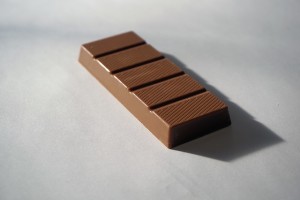
One study done in the Netherlands found that men aged between 64 and 85 who consumed cocoa regularly experienced lower blood pressure than those who did not. Another reason chocolate has been found to have a calming effect is how its nutrients interact with the brain.
Dark chocolate triggers release of endorphins, the neuropeptides that reduce stress and induce feelings of euphoria. As a result, indulging in a few bars of chocolate once or twice per week can be a great way to boost your mood and still stay on track with your target weight goals.
#2: Berries
Berries are known for their high levels of antioxidants. Antioxidant foods provide a wide range of health benefits, one of which is promoting a better sense of well-being. The Journal of Nutritional and Environmental Medicine published a study, which documented

The Journal of Nutritional and Environmental Medicine published a study, which documented treatment of patients with antioxidants and placebos over a period of two years.
Patients treated with antioxidants had lower depression scores than those in the placebo group.
Blueberries, strawberries, blackberries and raspberries are not only rich in antioxidants but also good sources of vitamin C.
This nutrient has shown to be helpful in reducing levels of Cortisol, the body’s stress hormone. Therefore, including berries in your diet can help you stay calm or at least help prevent stress from advancing into full-blown depression.
#3: Complex Carbohydrates
Carbohydrates trigger the release of serotonin, the mood-lifting neurotransmitter produced in our brains.
If you eat ample amounts of carbs, this helps to induce a sense of contentment throughout the day. Sugary and processed foods are not good sources of carbohydrates since they will only cause blood sugar levels to fluctuate, which in turn cause mood swings.
Instead, opt for complex carbs from whole grains, fruits and vegetables, which metabolize at a slower rate and keep blood sugar balanced. Complex carbs also provide a steady release of glucose for energy conversion, which in turn helps to combat fatigue, one of the common symptoms of depression.
#4: Tryptophan
Tryptophan is an amino acid that plays a critical role in the production of serotonin, the neurotransmitter responsible for making us feel content.
Nutrition researchers have linked low serotonin levels with anxiety, depression, fatigue and even insomnia. To ensure that your body is making enough serotonin, ensure to eat foods that are rich in tryptophan such as eggs, milk, cheese, beef, lean chicken, turkey, spinach, pumpkins, nuts, and peas.
#5: Omega 3 Fatty Acids
Omega-3 fatty acids help to treat a wide range of health conditions. The main benefit of these nutrients is improved brain function.
The association between omega-3 and depression is especially evident in communities that don’t eat enough of these healthy fats, in which case, depressive disorder rates tend to be high.

Seafood such as tuna, salmons, sardines, herring and rainbow trout are rich sources of omega-3 fatty acids. Besides fish, omega-3 can be found in walnuts as well as flax, hemp and chia seeds.
#6: B Vitamins
One Spanish study that involved 5,459 women and 4,211 men found that rates of depression tended to rise among test subjects who got less B12 vitamins in their diet regardless of gender. Researchers are not sure whether
Researchers are not sure whether lack of B vitamins causes depression or depression leads people to eat poorly. In any case, B vitamins are considered anti-stress nutrients that help to reduce anxiety and even treat symptoms of depression.
Nutrition experts have found that folic acid (vitamin B9), niacin (vitamin B3), and pyridoxine (vitamin B6) support the amino acid tryptophan to manufacture serotonin, the “feel good” chemical.
To prevent depression with the help of B vitamins, ensure to include legumes, nuts, whole grains, leafy greens vegetables, milk, eggs, red meat, and chicken in your diet.
#7: Vitamin D and Selenium
Selenium is an essential trace mineral found in lean meats, nuts, beans, seafood and whole grains.
Several studies have linked deficiencies of this mineral and vitamin D with depression. You can get free vitamin D while basking in the sun, but other excellent food sources include milk, tofu, and fish.
Can You Eat Your Way to a Better State of Mind?
While there is a growing body of scientific evidence that suggests certain foods can uplift mood, using nutrition to fight depression might not work for everyone.
Depression may be caused by many different factors that range from the way your brain is wired, to financial problems, a stressful lifestyle, and health issues, to loneliness, loss of a loved one or early childhood trauma.
If trying to prevent this disorder through nutrition does not work, consult a psychiatrist in order to identify the cause of depression and best ways to deal with it.