Achieving Weight Loss On Any Diet
Are you tired of being overweight? Have you tried one diet after another with no results?
Anyone who has ever gone on a diet knows how hard it can be to stay motivated and stick with the diet.
Here is how it usually goes: You start a new diet with all good intentions, then within a short period of time find yourself cheating — just a little at first.
Then eventually you give up the diet altogether. Many people find themselves on this roller coaster over and over again.
According to the World Health Organization (WHO), there are now more than 1.5 billion adults worldwide who are overweight.
Of these, more than 200 million men and nearly 300 million women are obese.
Overall, more than one in ten adults in the world are obese.

Causes of Overweight and Obesity
People become overweight when they consume more calories than the body can burn.
This is partly due to an increase in foods that are high in calories, fat and sugar, but low in vitamins, minerals and other nutrients.
In addition, our modern society has seen a decrease in physical activity due to an ever-increasing sedentary lifestyle.
The majority of people today have sedentary jobs, drive or ride to work, then go home and engage in sedentary entertainment.
The consequences of being overweight
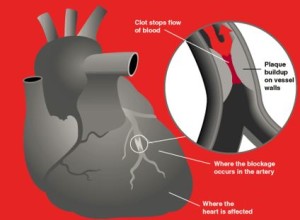
The consequences include a much higher risk for developing cardiovascular diseases such as heart disease and stroke, diabetes, osteoarthritis and other degenerative diseases of the joints, and some cancers such as heart, colon, and endometrial.
What is the answer?
The answer for every overweight person is to make a commitment to get healthy and achieve an ideal body weight.
In order to be successful, you will need to find an effective weight loss diet, and make a plan for success.
Want to know how to succeed at achieving weight loss on any diet?
It doesn’t matter so much what type of weight loss plan you choose as long as it is a healthy diet.
Experts agree the best diet is the one you can stick with long enough to achieve your weight loss goal.
Why Do Most Weight Loss Plans Fail?
The reason most diets fail is because the dieter didn’t first create a plan for success.
Before launching your new diet, take the time to create a plan to help you succeed.
Choose a diet that will suit your lifestyle; then make a plan and prepare for your success.
You will more likely than not experience times of temptation and discouragement, so your plan should include strategies to keep you focussed on your long term goal, so that you do not give in to tempatation and food cravings.
Having a plan is the secret to success!
If you want help in creating a plan to guide you in achieving your weight loss goals this report is for you.
The first step in creating your weight loss plan:
Self-Analysis
A self analysis is critical to help you determine how you got to this point in your life.
So, the questions you need to ask yourself are:
Why did you develop a problem with being overweight?
Why do you have trouble losing weight?
Why do you want to lose weight?
What are you willing to change to achieve your weight loss goals?
Why is a self-analysis necessary?
Because it’s a necessary part of change. You are in a place now where you don’t want to be, and that place is being overweight. You have to figure out how you became overweight in the first place in order to change your future.
There are reasons why you got where you are now.
Askng yourself some relevant questions will help you discover how you got where you are, and give you new-found knowledge and self awareness to begin the journey to your new destination (your ideal body weight).
This phase is a very important one and should not be ignored.
Discover your Why
You might be able to complete the self analysis within an hour, or it might take a couple of days to understand your why in order to succeed and lose the weight.
The good news is that once you have the answers to the important questions, you’ll have the information you need to change eating habits.
The following are questions you should ask yourself:
When during my lifetime did I start to overeat?
At what point did I become overweight?
Why do I reach for food that I know is fattening or unhealthy?
What feelings am I having during those times when I overeat or go on a binge?
Do I eat even when I’m not hungry?
Do I eat when feeling stressed?
Do I reach for food when arguing?
Do I feel guilty about something?
Do I eat when trying to perform a task I don’t want to do? When I’m tired?
When I’m feeling anxious?
Am I looking for something that is missing from my life?
What do I need that I don’t have now?
Am I trying to protect myself?
What am I afraid of?
What do I want most in life?
What do I really want for my future?
Write these questions in a journal.
After writing the questions, ponder them for a while until you have an answer.
It might be necessary to observe yourself while eating – especially during those times when you find yourself overeating or binging – to get some of the answers.
Observe your feelings while eating, and especially during overeating.
As you come up with answers to these questions, write them in your journal.
The most important question to ask yourself during the self-analysis:
Am I willing to change in order to achieve my goal?
If the answer is “yes,” continue on to the next step.
What are your Goals
Before starting any journey, you must first choose a destination. Where do you want to end up with your weight loss plan?
Setting a goal is one step beyond the mere thought that you want to lose weight, and it forces the brain to focus on what you want, clarify it, and put it into words.
Determine what your ideal body weight is and how much weight you want to lose. For example, if you now weigh 185 pounds and are 5’8” tall, your ideal body weight is probably around 152 pounds. So you would need to lose 33 pounds to achieve your ideal body weight. It might be more or less, depending on your personal preference.
You can get an idea of your own ideal body weight by going to this site and entering your own details:
http://www.halls.md/ideal-weight/body.htm
Weigh yourself first thing in the morning before eating or drinking anything, and let the number on the scale be your starting point.
So now you should have your current body weight, the ideal body weight you want to achieve, and the difference between the two, which is the amount of weight you want to lose.
If you now weigh 160 pounds, and your ideal body weight is 130, then your goal is to lose 30 pounds.
Your weight loss goal should be something you can actually see yourself achieving.
If the goal is too big or too lofty, you might become discouraged quickly.
It is better to break it up into smaller goals.
If you want to eventually lose 50 pounds, break it up into smaller chunks. For example, set your first goal at losing 10 pounds, and once you have achieved that goal, set another goal to lose another 10 pounds.
Achieving these small goals will motivate and inspire you to stick to your weight loss plan until you have achieved the big goal.
Add a time element to the weight loss goal if you want. You might choose to lose 30 pounds within 30 weeks. That is 1 pound per week and is a very realistic goal.
Now you have a goal! Your goal is to lose ___ pounds within ___ weeks (fill in the blanks).
Write down your weight loss goal
The simple act of putting a goal into words and making a commitment to achieve it will create an impetus of energy that can build and gain energy as you think about it, write about it, and take action to do it.
The majority of people who succeed and achieve their goals are those who write down their goals. As you put goals in writing, you add a psychological element that tells the brain and subconscious this is something you are working towards.
Goals are much more likely to materialize if you put them in writing. For even faster manifestation, read your goals every day.
After putting your goal in writing, read it the first thing in the morning after awakening and the last thing at night before going to bed. By doing this on a regular basis, all your goals are much more likely to materialize in your life.
Visualize
Visualize yourself having already achieved your weight loss goal. See yourself as you will look once you have reached your idea body weight.
Picture it in your mind with as many details as you can think of.
If you now weigh 200 pounds, don’t visualize weighing that much.
If your goal weight is 135 pounds, visualize yourself as the way you’ll look at 135 pounds.
What outfit can you hardly wait to wear at your ideal weight?
Visualize yourself wearing it. How will you wear your hair? Picture yourself moving through the day, going to work, shopping in stores, dining in restaurants, and all the things you do in a normal day.
Keep these images in your mind, especially when you feel tempted to get off your diet.
Once you clarify a goal, put it into words, write it down, and visualize it, that goal becomes a powerful catalyst for your future actions. It will energize you to get started, give you enthusiasm to stay on target, and it will give you a vision for your new future.
This is very powerful!
Keep a Journal
Use a journal to write down goals and record thoughts and feelings while on your weight loss journey. This is an excellent tool that can be used to help you stay on target and keep a record of your progress.
Putting feelings in written words is a great way to get things off your chest and can be very therapeutic.
Record in the journal every day and include the foods you eat, as well as the feelings you have at the time of any food cravings or binges. After keeping a journal for a period of time, you’ll start to see some patterns that will open your eyes about your relationship with food.
This will give you insight and a feeling of control as you start to see things more clearly.
Manage Stress
Stress is one of the biggest killers of a successful diet plan.
When under stress, most people will have food cravings that will be almost impossible to keep at bay.
Stress eating is often the very thing that makes people gain so much weight in the first place.
When we are under stress our stress hormones kick in causing all kinds of symptoms including feeling jittery, light headedness, fast heart rate, headaches, anxious and many others.
When we feel unbalanced, it is natural to reach for something to make us feel better. That something is usually food. This is why it is so important to find ways to relieve stress as it comes.
If the stress is not dealt with timely, it just gets worse, and the body chemistry becomes more unbalanced, causing more severe symptoms, and more food cravings.
Doctors say that most of their patients come to them with illnesses brought on by stress.
If we could just get rid of the stress in our lives, we could be healthier, happier, and leaner.
You may have discovered during the self-analysis phase that you are a stress eater. If so, attempting a diet without reducing stress is setting yourself up for failure.
First take care of the stress, and then the stress-eating will resolve itself.
There will be times when you have a strong craving for a certain food or find yourself eating out of stress. If you plan ahead for these times, you will be much more likely to succeed with your weight loss plan.
Get started using as many of these stress relieving techniques as possible to relieve your daily stress and cure stress eating:
Get plenty of sleep. You might think that getting an adequate amount of sleep has nothing to do with losing weight. Or you might think that losing sleep can help you burn more calories.
Although it’s true you will burn more calories awake than when asleep, the problem is that not getting enough sleep hurts you in the long run.
That’s because a lack of sleep causes a hormonal imbalance in your body, and it puts your body under stress.
Putting your body under additional stress can increase food cravings and generally make you feel less than your optimum self. In addition, whenever there is an imbalance in body chemistry, especially with the hormones, that can increase food cravings.
The bottom line is that you need your beauty sleep. It helps you feel better, keeps your body in optimum working order, and generally just makes you look and feel your best. So strive to get 7-8 hours of sleep every night.
Practice Meditation. Meditation is an excellent way to relax and relieve stress. It might be hard for some people to undertake in the beginning because you have to actually sit still and quiet your mind. Generally speaking, though, the harder it is to practice in the beginning, the more you need to do it! If you find it hard to sit still and quiet your mind for a few minutes, this is evidence that you really are stressed.
Studies have shown that those who do practice meditation get some powerful benefits from it.
Meditating on a regular basis can lower blood pressure, heart rate, cortisol levels, and has been shown to even cure disorders such as hypertension, migraine headaches, stomach disorders, and many more.
If you don’t know how to meditate, there are many books on the subject, and there are many ways to meditate.
You can start by finding a quiet place to rest and concentrate on your breathing for a few minutes.
Start with just 5 minutes and increase to 15 minutes daily. Some people like to meditate as long as 30 to 45 minutes, but it is up to you and your schedule. Get started meditating and start reaping the benefits!
Write in your Journal. During times of stress, write down your thoughts and feelings in your journal. You will find this to be a very effective way to relieve stress. Many counselors use journaling as a part of therapy with their clients and have found it to be a useful way to deal with feelings and enable you to identify stressors in your life.
Get a Massage. Massage therapy is one of the most effective ways to relieve stress. The power of touch gives comfort, and a talented massage therapist will be able to find your tension and work it out through the muscles. Find a good massage therapist and let him or her work on your tense muscles. It should feel good so be sure to let the therapist know your preference in pressure.
Generally, the light touch is best for stress relief. The overall experience of massage therapy includes relaxing music and aromatherapy, which is very therapeutic and will give you a boost in mood as well.
Spend Time with Friends. Spending time with friends or loved ones is one of the most important elements of all our lives, and it can also help to relieve stress. Our DNA has given us a need for social connection. Being with people you care about is one of the best ways to achieve a general overall feeling of well being.
Of course, it’s also important to surround yourself with people who are positive thinkers and who support you. Choose to spend time with friends and loved ones who make you feel good about yourself and about life in general.
Practice Breathing Exercises. Breathing is the most natural thing in the world, but when you start feeling stressed it often affects the breath. Some people start to breathe shallowly and sometimes even hyperventilate under very stressful conditions. But you can also use the breath to relieve stress and feel more relaxed. Just a few minutes of correct deep breathing can relieve stress.
Breathing exercise: Take a slow, deep breath and expand the abdomen as you intake air. Breathe in through the nose to the count of 4, hold the breath to the count of 6, and exhale slowly through the mouth to the count of 8. Do this 4-5 times and notice your muscles relax and tension release. Practice this exercise daily and whenever you feel stressed or feel a food craving coming on.
Boost Metabolism
Metabolism is the biological process used by our bodies to burn energy (calories) and maintain our body weight. If you have a low metabolism, your body will burn fewer calories and it will be more difficult to lose weight. On the other hand, if you boost the body’s metabolism to a higher rate, it will be easier to lose weight, and you’ll lose it faster.
So, of course the goal is to find ways to boost metabolism so you can lose weight faster!
Here are some ways to kick start your metabolism:
Eat Breakfast. Eating breakfast is important for a number of reasons. Our bodies fast during the night, and our metabolism slows down. When we wake up and eat a nutritious breakfast it jump starts our metabolism. It is a way to get the internal motors running at a good rate and it helps set the pattern for the rest of the day. By eating a healthy breakfast, you are in a sense calibrating the metabolic rate.
Eat More Protein. Protein takes time for the body to digest, and it makes you feel full for a longer amount of time. Eating protein can raise the body’s metabolic rate and burn calories faster.
Eat at least some protein for breakfast. Ever wonder why bacon and eggs are such popular breakfast fare? There’s a reason for that. Think protein for breakfast. If you don’t like bacon and eggs, try another type of protein such as beans, ham, turkey or beef.
Don’t Skip Meals. Another way to boost metabolism is to be sure you do not skip meals. You might think that skipping meals will help the weight come off faster, but actually the opposite is true. Your body needs fuel every few hours except during the night.
Whenever you skip a meal, your body thinks it is being starved and metabolism decreases which means the body burns calories slower.
Once you have had a nutritious breakfast complete with some protein, be sure to eat at regular intervals during the day.
In order to keep metabolism running high, it needs fuel or food to keep it that way.
By skipping a meal, the body registers it as starving, and metabolism slows down. Calorie burning becomes sluggish as the body tries to store remaining fat in case food is not available again for a while. This brings metabolism down and your body can eventually go into a storing rather than burning mode.
So don’t be tempted to skip a meal; keep your metabolism running at a high rate.
Drink Lots of Water. Drinking lots of water is another way to boost metabolism. By drinking lots of water, you can actually kick-start your weight loss plan. The intake of water actually changes body chemistry, enables cells to function better, and helps moves the waste out of your body faster. When the waste is removed, so are unwanted pounds. Try to drink at least 8 glasses of water every day in order to stay hydrated and boost metabolism.
Don’t Eat After 7:00 p.m. Your body’s metabolism is slower at nighttime and during sleep. If you eat late, the food you eat won’t have enough time to digest and will be left in your stomach when your body’s metabolism slows down during sleep. The food you eat after 7:00 p.m. will be much more likely to turn to fat.
Control Food Cravings
Controlling food cravings is possibly the most important part of your weight loss plan. There will be times when you are tempted to eat junk foods, unhealthy foods, sugary and fattening foods. Sometimes the temptation will be very strong, and you will need to prepare ahead of time for these moments.
Here are some ways to help control food cravings. When you feel a craving for something that is not on your diet, or when you are tempted to go on a binge, try one or more of these techniques.
Listen to your favorite music. Most everyone has an iPod or similar device with music at their fingertips. Find music that makes you feel uplifted and empowered, and make a folder named “Kill Food Cravings.” Whenever you feel a food craving, put on headphones and listen to your “power” music.
Call a Friend. Choose a friend and ask him or her to support you in your weight loss journey. Explain to the friend that you will be calling them when you feel the need for support. If you feel tempted to go on an eating binge, call your friend and just chat until the craving goes away. When you think about someone else for even a short period of time, you will likely forget about the craving and go on to some other activity.
Take a walk. Taking a walk is a good way to get your mind off food. If weather permits, walk outdoors in the sunshine and put your attention on nature. Notice the sky, clouds, birds, trees, and any activity around you. This is a great way to distract yourself until the craving ends. Walking also raises endorphin levels and will likely raise your mood and make you forget all about eating.
Visualize your goal. During times of temptation, remind yourself of your goal, and visualize it. See yourself as you will look after you have achieved your weight loss goal, and keep that picture in your mind. By visualizing your goal whenever tempted to get off the diet, you will be much more likely to overcome temptation.
Reach for a healthy snack. Whenever you feel a craving for something to eat and the craving won’t go away, go ahead and eat, but choose something healthy.
Make a list of healthy snacks ahead of time and keep them handy for future cravings. Depending on your specific diet plan, some healthy snacks on your list could include Greek yogurt, almonds, vegetable soup, fresh vegetables, and fruit.
Eat foods high in fiber. By including foods that are high in fiber, you will get full faster and stay satisfied longer. High fiber foods bind to other foods, especially fats, and move them out of the body. Foods high in fiber include raw fruits and vegetables, nuts, and whole grains.
Dealing with Social Situations
In our modern society there are tempting foods everywhere. People bring donuts to work, they make birthday cakes for co-workers, friends invite you to dinner, your spouse or loved one cooks meals that aren’t on your diet.
When it comes to turning down tempting foods offered by co-workers, friends, spouses, and others, you must decide ahead of time how to deal with it. The key to successfully maneuvering through these situations is planning for them.
Don’t turn down every invitation to dine out with a friend, but don’t dine out every night either. When eating at restaurants, try to make healthy choices.
Decide on a plan to deal with donuts at work. The best way I’ve found is to simply say, “no thank you.” This is easier to do if you keep busy until the donuts are gone. You can also give yourself a pep talk which is discussed below.
If you cave in to temptation and find yourself cheating, don’t dwell on it. Forgive yourself and get right back on track with your diet plan.
Give Yourself a Break
Choose one day out of every week and allow yourself to eat anything you want.
This one tip can help you stay on track and reach your weight loss goal because you’ll look forward to the day when you can eat anything you want.
This will increase your metabolism even on the other six days, and it will give you something to look forward to. When you feel tempted to cheat on the other six days, you’ll know you’re not denying yourself the pleasure of eating the treat but just delaying it.
This boost in metabolism will keep you losing weight even if you only stick to your diet 6 days out of 7.
Keep Moving
Find ways to get going and keep moving as part of your weight loss plan.
By increasing your activity, you will improve overall health and raise metabolism. As activity increases, you will burn calories faster as your metabolism revs up.
Adding a few steps here and there on a regular basis will add up, and you will increase activity, boost metabolism, burn more calories, and lose weight faster.
The following are some ways to get more exercise in your day:
Bypass the closest parking space. When driving to stores and other places, choose the parking space that is further instead of closer. It won’t add more than a minute or two to each errand and will add exercise that will boost your metabolism.
Join a gym. If you can fit it into your schedule, join a gym. There are excellent bargains these days with workout gyms. Find one you can afford and make it a habit to go regularly.
Join a class. Is there a class you have always wanted to take? Now is the time to do it. Join a class that involves exercise such as tennis, dance, or join a bowling league. These can be really fun, and you just might forget that it’s exercise!
Plan What You Eat
You’ve probably noticed that when you go through the day without planning ahead of time what to eat, you’re much more likely to eat foods that are unhealthy and not on the diet plan.
Planning ahead is a very important element to staying on any diet. When you get hungry, you WILL eat, whether the allowed foods are available or not.
When you get hungry and allowed foods aren’t available, that’s when you’re most likely to slip up and eat something sugary and high in fat. You might say to yourself, “Just a little cheating won’t hurt.” But if you fail to plan on a regular basis, all the cheating adds up, and your weight loss plan could be sabotaged.
Plan your meals and snacks ahead of time and take a list to the grocery store.
Every morning before leaving for work, take all the food you plan to eat, including meals and snacks. If you decide to eat a meal at a restaurant, choose a restaurant that offers healthy foods on your diet plan. Any time you leave home, be sure to take food with you for snacks. Then when you get hungry, you’ll have something healthy to eat that is included in your diet plan.
Talk to Yourself
Human beings are wired in a way that we want to complete things.
When we hear a question, we look for the answer. When we hear a story, we want to know how the story ends. When we start eating a hamburger, we want to finish it. If someone gives us a donut, we want to keep eating until it’s all gone.
Those who are able to push the plate away or just eat half the donut all have one thing in common.
They have a different inner dialogue than the “finisher.”
Those who stop eating when they no longer feel hungry are saying something different to themselves than the person who feels compelled to eat the whole thing even when they are full or feel satiated.
The quitters say to themselves, “I’m done,” “That’s all I want,” “I’m full.” The keyword or thought is “I’m finished.” They no longer feel the urge to eat because they are “finished.”
If you find yourself thinking, “I really want to eat all of this,” or “this is so good, I’m eating all of it,” then change what you say to yourself.
Change your thoughts about food. When you are eating and start to feel satisfied, tell yourself, “I’m getting full.” Then say to yourself, “I’m finished” at least three times. Say it out loud if you need to.
Chances are that you’ll feel differently after telling yourself, “I’m through eating now.” It’s amazing how the thoughts we think and the words we use can actually change how we feel. Try it and see how it makes you feel.
You truly do have the power to change your reality, and it starts with your thoughts.
Give Yourself a Pep Talk
Get ready now for a time in the future when you’re tempted to eat something not on your diet plan. For example, your spouse might be eating a delicious food and you want to eat it, too. Or a friend invites you to dinner and tries to talk you into “sharing” a calorie-loaded dessert.
What will you do to keep from sabotaging your diet?
Write yourself a pep talk and commit it to memory. Then, any time you start to feel tempted to binge eat, give yourself the pep talk.
It should include all the reasons why you started your weight loss plan in the first place, the qualities you have that will enable you to succeed, and how happy you are to be on the road to success.
Find a time when you’re feeling extremely positive and upbeat, and sit down and write your pep talk.
Here is a sample to get you started creating your own pep talk:
I have the power to change my future, and my power is in the present moment. My power is NOW. I started this diet to get healthy, lose weight, and look good. I’ve been doing a great job so far and I plan to keep up the good work. Every day I get closer to my goal. I’ve already lost weight, and I can keep going! It will be a proud day when I reach my ideal body weight and have the body I have been dreaming about. I’m on course to achieve my goal and my dream. My dream is becoming my reality!
Summary
Starting today, you can be on your way to a slim and healthier you.
Take care of the beautiful machine that is your body.
Choose a weight loss diet that is healthy and suits your lifestyle, and take steps to ensure your success.
Do a self-analysis and then create a plan that will put you on a path to achieve your weight loss goal. Enjoy the benefits that come from having a lean and fit body — good health, energy and an overall better sense of self!
Start Today!…Right Now!
There is no better time than now to start building a healthy, lean more attractive body.
Use the strategies contained in this report along with an effective weight loss diet to achieve the healthy, lean and attractive body you desire.
The right diet plan will show you how to combine fat burning foods to keep your body melting away the fat.
Get started now creating the new you…