Tag: hypertension

  • Taking Control Of Those Silent Killers

    Taking Control Of Those Silent Killer

    Are you aware of the silent killers that may be hiding inside your body?
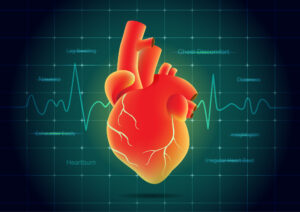
    heartdisease

    As we grow older, we become more susceptible to elevated blood pressure levels.

    A person suffering from high blood pressure is vulnerable to a lot of dangers, and some of them can be very fatal.

    Statistics show that 1 out of every 3 people over the age of 21 suffer from hypertension, the medical term for chronic high blood pressure. The percentage increases as the age group grows older.

    For example, 3 out of 5 people above the age of 35 have experienced episodes of high blood pressure and 3 out of 4 people above the age of 50 have suffered the same fate.

    Let’s look at the age group below 40 because it is a demographic of particular interest given the wide discrepancy in results regarding cases of hypertension. Some people below the age of 40 have to live with hypertension and there are some people belonging to the same age group that do not experience any problems with high blood pressure.

    What causes the difference?

    Lifestyle has a lot to do with not developing high blood pressure.

    People who follow the proper diet and exercise regularly are less likely to develop chronic high blood pressure. People who do not get adequate sleep are more likely to develop high blood pressure.

    Risk factors for high blood pressure do play a role. The chances of a person developing chronic high blood pressure increases with the presence of these risk factors.

    There are two kinds of risk factors: those within our control and those beyond our control.

    The following are the controllable risk factors:

    – Weight. Subjects above their ideal body mass index (BMI) are more likely to develop chronic high blood pressure. The dangers increase with every point above the ideal BMI. The high blood pressure risk calculator used by the American Heart Association, in fact, considers the subject’s BMI as a critical factor in determining potential dangers.

    Alcohol Consumption- Directly proportional to high blood pressure readings is the amount of alcohol in the subject’s system. Moderate intake of alcohol can dramatically improve a person’s blood pressure measurements.

    Salt Intake- The cardinal rule for individuals Remember the cardinal rule for people with hypertension? Stay away from salt. Even a few grains of salt can be deadly. Sodium in the blood invites water in the blood. And water in the blood would require the heart to exert more effort, resulting in high blood pressure.

    Sedentary Lifestyle- People who live a “lazy” lifestyle are more prone to being obese and to developing heart diseases.

    Stress- Stress forces the body to release epinephrine which constricts the blood vessels and elevates blood pressure readings.

    The risk factors above can easily be remedied by adopting the disciple necessary for a healthier lifestyle.
    Unfortunately, there are also uncontrollable risk factors such as the following:

    Genetics- Indeed, hypertension can be embedded on your DNA. It can be passed on from generation to generation.

    Age- Most people experience their most serious bouts of high blood pressure beyond the age of 35.

    Gender- Men are more likely to develop hypertension at an earlier age. Women are more likely to acquire chronic high blood pressure during the years post-menopause.

    Race- Studies reveal that black people are more likely to develop hypertension than Caucasians. They also tend to suffer more severe cases of high blood pressure.

    Knowing the risk factors associated with hypertension is half the battle.

    The question now is, what are you going to do with such knowledge?

    The first step is accepting you may have a problem, then taking action by monitoring your blood pressure at home as well as working closely with your doctor to achieve optimal blood pressure and start living a longer healthier life.

    Today, start taking an active role in achieving optimal health.

    Learn to check your blood pressure at home and give yourself the chance to live a happier, healthier life.

  • The DASH Diet for Brain Health

    The DASH Diet for Brain Health

    Senior health has become a major focus in the past decade or so as the so-called Baby Boomer generation hit 50, and now 70.

    With an aging population has come more cases of Alzheimer’s disease (AD) and other forms of dementia than ever before.

    As scientists study AD in the desperate hope of finding some form of prevention or cure, they’ve noted that many AD patients have certain things in common.

    They are often overweight, eat a lot of processed foods, focus on carbohydrates rather than healthier foods, and have high blood pressure.

    The DASH diet has been proven in relation to heart health, but can it also help with brain health and reduce your risk of AD?

    What is the DASH diet?

    The DASH diet, Dietary Approaches to Stopping Hypertension (High Blood Pressure) is a free diet that was developed when researchers noted just how many cases of high blood pressure (HBP) were developing in the US. Blood pressure tended to rise as we got older, and at first, was considered a normal and not too dangerous part of aging.

    However, fast forward to 2016, and we now know that HBP contributes to a range of life-threatening diseases, including heart attack, stroke, and kidney disease. Recent recommendations therefore state that everyone, no matter what their age, should try to maintain a healthy blood pressure of 120 over 70.

    The DASH diet was developed in order to help people stay within that normal range through diet alone, not medication. The results have been impressive.

    The DASH diet-easy eating

    The DASH diet is pretty easy to follow, and there are lots of free resources online to help you get the most out of it. The eating plan emphasizes whole grains, fruits, vegetables, fat-free or low-fat dairy, seafood, poultry, beans, seeds, and nuts. It contains less salt and sodium, sweets, added sugars, fats, and red meats than the typical American eats.

    Salt is a major contributor to blood pressure because it causes us to retain water. Eating a diet low in salt by steering clear of canned food and ones that are preserved through salting and/or smoking, such as cold cuts, is key to lowering HBP.

    DASH recommendations are spread over eight food groups:

    * Vegetables
    * Fruits
    * Grains
    * Fat-free dairy
    * Lean protein
    * Nuts, seeds and legumes (peas, lentils, peanuts)
    * Fats and oils
    * Sweets and added sugars

    Eat more of the items at the top of the list each day, and few to none at the bottom of the list, and see if you can get your HBP down and boost your brain health.

  • Working People And Sitting Disease

    Working People And Sitting Disease

    A significant percentage of working people sit in front of a computer all day as part of their job, not realizing that they are increasing their risk of developing certain types of cancer, heart disease, and diabetes, even if they take the time to get out there and exercise.

    According to the University Health Network (UHN), more than half of all people spend their days being sedentary, either working at a computer or sitting in front of a television.

    The research study by the UHN indicated that even if a person exercises, sitting too much can cause adverse effects on the body.

    The research study looked at 47 other primary research studies that looked into the effect of sitting and the risk of death. The article was published in the journal, Annals of Internal Medicine. It found that the risk of death among people who sit most of the day is 24 percent higher than those who didn’t sit as much.

    It indicated that sitting eight hours a day is probably considered the cut-off for sitting “too much.”

    The risk of heart disease deaths were 18 percent higher in sitters and the risk of death due to cancer was 17 percent higher.

    Those who sat too much had a 13-14 percent greater chance of developing type 2 diabetes.

    The risk of dying from endometrial, ovarian, colorectal, colon, and breast cancer was particularly high among people who sat too much.

    While exercise improved the risk of dying from these diseases, it didn’t reduce the risk completely.

    Exercising resulted in a 33 percent less chance of dying compared to those who didn’t exercise at all. The studies involved almost 830,000 people so it safe to say that the results of the study were accurate.

    It recommended that people stand more and exercise more in order to reduce their risk of these diseases.

    Sitting Disease

    While not technically a medical diagnosis, there is such a thing as “sitting disease” that is more prominent among professional entrepreneurs who don’t exercise and spend much of their time sitting.

    It refers to having a metabolic disease caused by excessive sitting. It is a serious disease, causing as many deaths as patients who are smokers.

    According to experts, the amount of time commuting to and from work plus the amount of time sitting at home is more than 7 hours per day.

    People with sitting disease are 94 percent more likely to die from cancer, heart disease, or diabetes.

    Men who sit more at work had a 48 percent greater incidence of death from various causes when compared to men who weren’t “sitters.”

    Around 60 percent of workers indicated that they would be more productive if they were allowed to stand more than sit during their workday.

    Fortunately, about 2/3 of employers offered desks to their employees that allowed them to adjust the desk so they could stand at least some of the time.

    Besides cancer, heart disease, and cancer, having “sitting disease” increased the chances of being obese or having metabolic syndrome, which is a disease that affects glucose metabolism, triglyceride levels, blood pressure, and the risk of heart disease.

    Another study looked at people who sit too much in front of the television. They compared the risk of various diseases in people who sat in front of the TV for less than two hours per day to people who sat in front of the TV for more than 4 hours per day.

    People who sat in front of some sort of screen had a 50 percent greater chance of dying from any type of disease and a 125 percent increased risk of developing heart diseases, including heart attack, stroke, and peripheral vascular disease.

    The study made some recommendations as to how people could spend less time sitting.

    Some examples included the following:

    Work while running on a treadmill, even if the pace is slow

    Do laps during conferences rather than sitting around a table for the conference

    Try buying or acquiring a standing desk or use a counter to do your work on

    Stand during lunch or when using the telephone

    It turns out that any type of movement can decrease your risk. Even if you don’t exercise but instead just stand all day, your chances of dying from heart disease or other diseases related to sitting are greatly diminished.

Copyright @ 2017 DrCurtisMcElroy