Have a Healthy Autumn
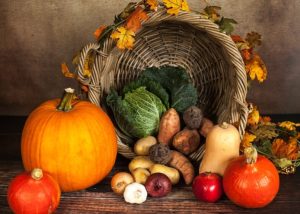
Autumn (or fall if you prefer) is the time of year when many people are settling into their new daily routines.
You might have kids that went back to school, a new wardrobe for the cooler temperatures, and feel like after summer, you get a fresh new start.
This also happens to be a great time of year to focus more on your physical and mental health.
Summer tends to be very chaotic for many people, so when summer is over and
Autumn arrives, you feel like you can relax and settle into a new routine.
The following will help you get started on becoming a healthier person physically,
mentally, and emotionally. You will learn about changing your diet, incorporating
physical activity, preventing common fall illnesses, and so much more.
Keep reading to learn how you can have the healthiest Autumn yet.
Eating Right During The Fall
When you think of ways to get healthier, you probably first think of your diet. This is
normal since food is such an integral part of life, not to mention your health. Many
conditions can be improved just by switching up what you eat, not to mention getting in
enough vitamins and minerals, and the healthy weight implications.
If you are looking to become healthier in the fall, here are some tips to follow when it
comes to changing or improving what you eat during this time of year.
Choosing Seasonal Foods
The first thing you can do when you want to eat healthier in the fall is to choose more
seasonal foods. This not only includes superfoods (listed below), but other fruits and
vegetables, sweets, and comfort foods. Here are some ideas when you want to add in
healthier foods in the fall season.
Comfort Foods
To start with, consider having some comfort foods this Autumn, but putting a healthy
spin on them. Just because your favorite comfort foods are filled with ingredients like
butter, cheese, and meat, doesn’t mean they need to be bad for you.
There are many comfort foods you can make a little healthier by using some
substitutions, reducing the cheese, and bulking it up with more vegetables.
For example, if you love macaroni and cheese in the fall, why not add broccoli to it?
This will not only give you a full serving of vegetables, but you will end up eating a little
less of the macaroni and cheese.
Love chicken pot pie? Try a crustless chicken pot pie, where it is much less carbs, but
still all the flavor, protein, and vegetables you love about this dish.
As you can see, there are many ways to adjust what you eat just slightly to be healthier
and more filling during the fall season.
Alternatives to Sweets
We are going to talk about how to make healthier versions of your favorite baked goods
for the fall season, but first – consider whether or not there is an alternative to your
favorite fall sweets and treats.
If you are a chocolate person, just switch to a darker chocolate, as it has more of the
antioxidants from cocoa, but less sugar.
When you have a sweet craving, go for fresh fruit first before having something filled
with sugar and refined carbohydrates. It just might be enough to curb that craving.
Superfoods
Superfoods include foods with a higher-than-normal nutrient amount, including lots of
vitamins and minerals. These often include fruits and vegetables, especially when you
are looking for more in-season produce for the fall.
Here is a list of some of the best fall superfoods that will help you to eat healthier this
season:
Apples – Who doesn’t love to eat apples in the fall? This is definitely one of the most
popular foods during this time of year – and it is a superfood! Apples are loaded with
nutrients, including antioxidants, vitamin C, and lots of fiber.
They are sweet enough to be used in green smoothies so they don’t taste like kale or
spinach, and can be used to create healthier desserts. For the most nutrients, eat the
skins of your apples.
Pears – The next fall superfood fruit is the pear. You can enjoy these along with apples,
or on their own as a healthy snack. Pears also go great when combined with more
savory dishes. You are also getting a good amount of fiber from pears, along with
copper and vitamin C.
For something a little different, try making baked pears as a treat.
Cauliflower – Moving on to vegetables, we first have cauliflower. The great thing about
this vegetable is that it is low in fat and calories, but also in sugar and carbohydrates.
Just about every diet out there allows you to eat cauliflower, including Keto, Paleo, and
other low-carb diets.
You can use cauliflower when looking to replace starchy carbs like rice or potatoes, plus
you get nutrients like vitamin C, potassium, B6, folate, fiber, and magnesium.
Brussels Sprouts – Don’t count out brussels sprouts before you try them! These can
be a wonderful and tasty vegetable to enjoy this fall season. You will get nutrients like
iron, folate, vitamin K, magnesium, potassium, B6, and so much more.
Squash – It should have as no surprise that squash is an in-season vegetable for fall,
but it also happens to be a superfood. This is largely due to the fact that it has a lot of
omega-3 fatty acids and vitamin A. Squash can be enjoyed alone as a side dish, in a
soup with pumpkin and spices like ginger and cinnamon, or in a casserole with your
favorite fall meats and veggies.
Pumpkin – Yes – you can enjoy pumpkin and still eat a healthy diet! You just want to
be careful HOW you have your pumpkin. Instead of a pumpkin spice latte or pumpkin
cheesecake, which are loaded with sugar, try a pumpkin soup, roasted pumpkin with
other fall veggies, or even making your own pumpkin pudding.
You will get a lot of B vitamins, potassium, and of course that fiber you need for a
healthy digestive system.
Sweet Potato – Last up is sweet potato. This is a wonderful alternative than white
potatoes, since not only are they sweet, but they contain more fiber and other vitamins
and minerals. These are not as starchy as white potatoes, so they are generally better
for you all around.
Enjoying Fall Treats without the Guilt
One of the main downfalls of the fall season is that it tends to be when you increase all
those yummy treats. But just because you are trying to be healthier (And possibly
working on losing weight), doesn’t mean you can’t enjoy all your favorite fall flavors.
Here are some ideas for turning your fall favorites into healthier versions:
Apple Chips
These are both good for getting that crunch, as well as having something sweet. Slice
up apples into thin slices, sprinkle on some cinnamon, and bake until they reach your
desired crispness.
Gluten-Free Pumpkin Bread
You can also find quite a few recipes for pumpkin bread that doesn’t use any gluten or
flour. In place of the typical flour in bread, they will use rolled oats or similar ingredients.
This makes it healthier and great for your friends who are allergic to gluten.
Apple Butter
Buy or make your own apple butter! This is a healthier alternative to regular butter, or
even nut butters that are usually loaded with fat.
Healthy Baking Tips
When it comes to baking during the fall season, all you need to do is make a few simple
substitutions. Here are some ideas of where to start:
Use Less Buttercream or Frosting
The great thing about frosting a cake or cupcakes is that you have full control over how
much is used. Instead of putting on a thick layer, especially buttercream that tends to go
on thick, try to keep it as thin as possible. You can cut back on the calories and sugar
quite a bit just by using a thinner layer.
Replace Butter with a Healthier Option
Many baked recipes will call for butter, but that doesn’t mean you have to use your full-
fat butter! You can reduce the fat and cholesterol by instead using a heart-healthy oil
like canola oil. Many recipes can also use nut butter or ground flax seeds instead.
Use High-Quality Ingredients
While not necessarily good for cutting back calories and fat, the healthier and cleaner
your ingredients, the better your baked goods will be for you. For example, use vanilla
beans instead of vanilla extract. When adding honey, go for a local, raw honey instead
of the supermarket honey, which is just filled with sugar.
Cut the Sugar
Whether you just use less sugar or a sweetener alternative, this is a really quick way to
make baked goods a little healthier. Does it really need to be that sweet? Try cutting the
sugar a little in some of your favorite recipes and see how it tastes.
Maintaining Your Weight Loss Goals
Whether you are already working on losing weight, or want to start dieting now, this time
of year has its own set of challenges.
While losing weight during any time of the year is difficult, the fall has a lot of holidays that promote sugar-laden treats and less exercise.
However, that doesn’t mean you can’t do it! In fact, fall is a wonderful time of year to
work on weight loss and weight management for a wide range of reasons.
Keep reading to learn more about maintaining your weight loss goals even during the
Autumn season.
Find Outdoor Activities
To start with, you need to get in some good physical activity all season long. It is not
winter yet, so you should be okay most days with outdoor exercising. While there are a
lot of amazing indoor workouts (At the gym and at home), don’t underestimate how
beneficial it can be to get outdoors.
Why You Should Exercise Outdoors
First of all – why is it so important to exercise outdoors? This is of course optional, but
here are some reasons it can be a great idea, especially in the fall season:
You get more vitamin D – The problem with weather getting cooler is that less people in general will spend time outdoors. After summer, how often do you like to participate in outdoor activities? By adding outdoor exercise, you are getting a little more natural
vitamin D right form the sun’s UV rays.
This is great if you get SAD (seasonal affective
disorder), natural energy, and battling anxiety and depression during the fall.
It allows you to get some fresh air – Not only will you get more vitamin D with your
outdoor exercises, but you get fresh air as well. Being indoors can be comfortable and
inviting during the season, but you still need just as much fresh air as other times of the
year.
It encourages you to exercise more – If you are someone that is never motivated
enough to go to the gym, or gets bored with home workouts, don’t force yourself to do
them!
During the Autumn, you might prefer going on walks to scenic areas, taking
friends on a hike, or taking your dog to a nearby lake. This is really good
encouragement for more regular activity, even with the “unconventional” types of
workouts.
Some Outdoor Exercise Ideas
Looking for some outdoor exercise inspiration? Here are a few ideas to help get you
started:

Go on a Hike or Scenic Walk – To start with, enjoy the changing leaves and cooler
weather by going on a hike or just a walk in any scenic area. This is going to benefit you in a number of ways, including getting your heart rate up, allowing you to enjoy the
outdoors in your hometown, and get the vitamin D you need during this time of year.
Please Note – Remember to be safe and hike with others, make sure your phone is
charged, and bring plenty of water and snacks.
Involve Your Dogs – Not motivated to walk alone? Bring your dogs! They are
wonderful companions on walks and keep you from being alone. Many dogs can also
be extra protection for you if you are walking early in the morning or late at night. Just
be sure your dog is healthy enough for the walk and that you bring them water on longer
walks.
Try a Turkey Trot – If you are interested in a longer walk or run, such as with a 5k or
10k, see if you have any turkey trots in your area. These have become very popular,
and are often around Thanksgiving, though many cities do them earlier.
Try Out Biking – This is a great time to try something new. If you have a bicycle, why
not explore some new areas in your city or town? Bicycling is wonderful exercise and
lets you use different muscles than when you are just walking or hiking.
Participate in Fall Activities – In addition to traditional exercising outdoors, you can
also get more activity in the fall simply by participating in outdoor activities. This might
include apple picking, getting a pumpkin from a pumpkin patch, or going to a local fair.
Get Together with Other Health-Oriented Friends
Having a healthy Autumn isn’t just about watching what you eat and making sure you
exercise. It is also great to have daily motivation by spending more time with friends and
family who also believe health is important.
Being around others who want you to be healthier and how you can encourage to be
healthier is so much more powerful than people imagine. If you spend all your time with
a friend who likes to push sugary sweets and encourage you to skip your workouts, you
are bound to cave. While this is okay sometimes, it is also good to have health-oriented
people in your life to give you that extra push.
Ideas for Healthy Activities with Friends
Not sure what to do together? Take a look at these simple, fun, and healthy ideas:
Carve Pumpkins – Pumpkins are not just for the kids! Anyone can have fun going to a
local pumpkin patch and carving pumpkins. This really makes it feel like fall, and can
gear you up for Halloween as well. Save the seeds to roast for a healthy snack as well.
Try a New Nearby Hike – Nothing better than exploring something new with friends.
Get a group of friends or loved one out to go on a hike, trying a new hiking trail you
haven’t been on before. You can enjoy the fall foliage while exercising at the same time.
Do Fall Crafts – If you want to avoid constantly having to socialize with food around, try
some crafts. There are many fall crafts you can enjoy this time of year.
Do Some Fall Healthy Baking – Another option is to get together at someone’s house
to bake, but choose healthier options.
Gear Up for Holiday Season
This is also a good time to start preparing for the holidays, when fattening food tends to
be in excess. If you are trying to lose weight during the fall, the last thing you want to do
is end up with bags of Halloween candy or over-indulging in pre-Thanksgiving treats.
Before the holidays begin in the fall, start preparing for them. Decide on healthier dishes
to make for Thanksgiving, buy candy you don’t enjoy for the trick-or-treaters, and stick
to your healthy regimen just in case you want to indulge a little in treats.
Customizing Your Fitness Routine
Now that you know a little more about eating better and losing weight in the fall season,
it is time to talk about your fitness regimen.
As we discussed in the previous chapter, there are some struggles when it comes to
being more active in the Autumn when weather is cooler and you tend to spend more
time indoors. However, there are some great exercises you can do during this time of
year, both indoors and outdoors.
Don’t forget that exercise is not just for weight loss or maintaining your physique. It is
also important for your cardiovascular health – everyone should be working out,
regardless of your weight.
Start with Your Favorite Exercise
The easiest way to start (or continue) exercising in the fall is to stick with an activity you
already enjoy. This can be the same exercise you have been doing for a while, or a new
spin on it.
For example, if you walk your dog every afternoon, maybe you start going on a longer
walk, or you take your dog to a new location now that the weather and leaves are
changing.
You might find that you enjoy the gym best, so you keep going to the gym, but try some
new cardio or weight lifting equipment.
This makes it an easy transition into working out more, but not having to go out of your
comfort zone right away.
Find Something New
When you feel comfortable going out of your comfort zone a little, you can try a brand
new workout. Don’t put too much pressure on yourself to do anything crazy. Pick a new
workout class at your gym, or grab a friend to try kickboxing or yoga in your area.
Any time you try new workouts, it makes exercising a lot more interesting, and you are
motivated to keep it going.
Get Outside to Workout
As we mentioned previously, fall is a wonderful time for outdoor workouts. It isn’t as hot
and miserable as in the summer, but not quite too cold like in the winter. This is the
perfect cooler weather for walking, hiking, biking, even swimming if you live in a warmer
climate.
Plus, this allows you to involve others, whether you bring your kids and spouse on an
evening walk, or head to a local park with your dog.
Indoor VS Outdoor Exercise in the Fall
There are still going to be some days when the last thing you want to do is exercise
outside. Maybe it is a rainy day, or you just want to be indoors and not worry about
“getting ready” for other people to see you while exercising.
This is okay too! Just work with whatever you have and what is most comfortable for
you.
Here are some ideas for indoor workouts:
Find a gym, yoga studio, or Pilates studio
Use YouTube workouts like cardio or weight training
Get a treadmill or elliptical for your home
Try dancing in the living room
Use at-home workout DVDs or programs
As you can see, there are many ways to get exercise in the fall, both indoors and
outdoors. You don’t need any fancy equipment and you never have to step foot in a
gym if you don’t want to.
Preventing Fall Illness
The fall season is a favorite time of year for many people because of the mild temperatures and beautiful foliage. Unfortunately for some, this period also brings a
variety of common illnesses such as influenza. The change in temperature increases
your likelihood of being infected with viruses or flare-ups of certain conditions like
asthma.
The colder weather can also weaken the immune system. There’s no foolproof way of
avoiding viral infections or controlling certain disorders, but precautions can be taken to
decrease your risk and strengthen your immune system.
Influenza
The fall season is one of the peak times for flu infections. The probability of coming
down with the flu is much greater during the months of September through April. The
colder temperatures drive most people indoors where they’re in closer contact with
others. The virus is more easily transmitted under these conditions and can be deadly
for the very young or old and people with compromised immune systems.
Symptoms of the flu include achy muscles, a high fever, chills, headache, coughing,
sore throat, nasal congestion, sweating, fatigue, and weakness. The flu shot is a
preventative measure to lessen occurrences of infection.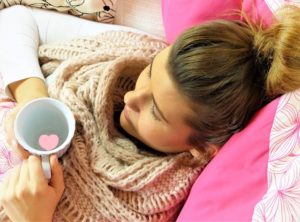
Common Cold
You can get a cold any time of the year, but it’s more common during colder months when you’re indoors sharing the same space with other people.
Viruses that bring about the common cold are more easily spread and contracted in colder and dryer air.
In addition, the fall season is the start of decreasing temperatures that cause weakened
immune systems.
Children are especially susceptible to colds during this time because of their close
proximity to other children in school or daycare centers. Cold germs can live on many
surfaces and children touch just about everything they come in contact with.
Allergies
The fall brings changes in the weather that can activate and worsen many allergic
conditions. The windy and rainy conditions typical of this time of year can stir up and
cause more pollen and similar materials to be released into the air. Many allergy
sufferers can experience a reaction from spending very brief periods outdoors.
For example, you may inhale particles of allergic matter on your way to work and end up
sneezing for the rest of the day. Allergic reactions often result in runny noses, itchy
eyes, a sore throat and swelling in the facial area. The effects of certain allergies can
last through the entire fall season and beyond.
Medications and staying indoors as much as possible can lessen symptoms and
occurrences of certain conditions like asthma.
Raynaud Syndrome
Raynaud Syndrome may not be well known, but it’s a fairly common fall illness. The
condition is characterized by swelling in the hands and face, insufficient blood flow, and
coldness or numbness in the extremities. Raynaud Syndrome is more active during the
fall season because cooler weather can affect the circulation of blood.
Symptoms are typically mild in the spring and summer months, a bit worse during the
winter months, and peak during the fall season. The body has difficulty adapting to the
change in rate of blood circulation, and this leads to the various symptoms as the body
tries to adjust. People with heart disease suffer from similar manifestations during the
fall season because of poor circulation.
Seasonal Affective Disorder
Seasonal affective disorder (SAD) is an illness that many refer to as the “winter blues.”
Some sufferers can be affected by the disorder in the summer months, but it mainly
occurs in the fall or winter months. SAD is a form of depression that is more prevalent
during months with shorter days and less sunlight. It’s associated with abnormalities in
circadian rhythms.
Sufferers can have good mental health for most of the year and then suffer from SAD
during a certain season. SAD sufferers may sleep too much or feel drained for most of
the day. SAD can also make you more susceptible to other illnesses. There are
treatments available to lessen symptoms, such as light therapy.
Preventing Fall Illnesses
Although you can’t always escape the germs that cause illness, you can minimize your
risk by doing a few simple tasks. Washing your hands often is probably the easiest way
to lessen occurrences of viral illnesses, especially after direct contact like shaking
hands. Bacteria and viruses are everywhere and much of our time is spent indoors
during the months of the fall season.
Many hands will touch the surfaces in your school or workplace, so frequent
handwashing is essential. Maintain your own personal space and keep your distance
from anyone with symptoms of illness like coughing or sneezing. Schedule a visit with
your healthcare provider as soon as you suspect illness; this may shorten i’s duration.
Finally, prepare for the fall season by stocking up on Vitamin C, eating a balanced diet,
exercising, getting adequate rest, and dressing appropriately for the weather.
Practicing Self-Care in the Fall
Having the healthiest Autumn possible includes taking care of your emotional and mental health by being attentive to self care.
You probably know a little about self-care, including the fact that it helps you to take
better care of yourself and focus on what your own needs are.
If you find that you are falling behind on self-care in the fall, here are some tips to help
you get back on track and really focus on your own health and wellbeing.
Types of Self-Care Activities
Self-care in the fall is all about doing more things for yourself and making sure to plan
for time alone. This is when you do activities, whether hobbies or relaxation activities, all
for you.
There are a wide range of activities in the fall and other times of the year, but for this
season, here are some of the best to start with:
Taking a hot bubble bath – When the weather gets cooler, bath season officially
begins. Get into a bath with essential oils or aromatherapy bubble bath, listen to some
music, and really indulge in the relaxation.
Using a journal or planner – We will go into this more in the next section, but self-care
can also be about becoming more organized and putting all your thoughts on paper. Get
into a daily routine of using your planner and/or journal.
Trying a creative activity – There are many creative activities that allow you a few
minutes of quiet time each day where you can just focus on your skills. This might be
writing (in a journal or otherwise), painting, knitting, crocheting, drawing, and so much
more. It is also a great time to try something new.
Spending time outdoors – Don’t forget that self-care is not always being indoors and
indulging yourself in quiet time. You might also want to go outside for your self-care
practice, whether this means going on a relaxing walk, or sitting at a nearby lake or
beach.
Meditate – Meditating or practicing mindfulness can also be great for your mind and
body. You will relax and try to clear your mind during a meditative practice, so this
require a good deal of quiet in your home.
Using a Fall Journal or Planner
For self-care, it is all about doing something just for you, but sometimes the activity
helps with other facets of your life as well. This is where the journal and planner routine
comes in. Using a journal and/or planner can turn into your daily morning or nighttime
routine, but you can add in other self-care activities to this as well.
Using a Planner
A daily planner is an excellent tool when you want to become more organized and
reduce stress. Add this to your daily self-care routine as a way to stay on top of things
so you don’t have all the added stress later of missing an appointment or special task to
be completed on a certain date.
Using a Journal
With a journal, it is more about writing down your thoughts and feelings. You can use it
as a way to express gratitude, write about your day, figure out anxiety triggers, or just
vent and express yourself without having to worry about the consequences.
Journaling is a wonderful tool for your personal growth and development, mental health,
and finding clarity.
Adjusting Your Daily Routine
With these self-care activities in mind, you can think of ways to adjust your daily routine.
This might be in the morning or at night – whatever time of day you find is easiest for
you to relax and unwind.
How to Get Better Sleep This Autumn
As the Autumn season arrives, readjusting your schedule and learning to embrace the
darkness sooner in the evening is essential. In order to ensure you maximize your sleep
each night, there are a few tips and life hacks to help keep you on the right track.
Reduce and Eliminate Stress Triggers
Stress has the ability to keep you up at night overthinking the day’s tasks and making
plans for the following morning. Reducing and eliminating stress triggers is a must when
you want to guarantee a better night’s sleep.
Consider the root cause of your stress and work on individual issues to greatly reduce
the stress you feel once you are in bed for the night. Remain proactive when battling
stress triggers and face them head-on rather than allowing them to simmer in your mind
and resurface as anxiety, depression, and isolation.
Identify stress triggers that occur during work, with family, and even while handling
personal responsibilities. Understanding stress triggers that keep you awake at night is
the first step to improving everyday habits and finding peace of mind.
If you are unable to change or improve your stress triggers, consider working together
with a therapist or counselor. Therapists and counselors understand anxiety and create
plans of action that are designed for each client individually.
Change Your Nighttime Routine
Change your nighttime routine to adjust to Fall weather and Daylight Saving Time. As
the day is cut shorter, adjust your bedtime and the time you typically wind down to
accommodate for outdoor changes. Return home at an earlier time in the evening to
allow yourself more time to unwind while getting ready for dinner, watching shows, and
going to sleep.
Change Your Diet for the Cooler Seasons
During the fall and winter months, it is not uncommon to begin eating more fall-centric
foods such as soups and warm casseroles. Learn more about fall fruits and vegetables
and shop accordingly to save money while providing yourself and your household with
proper vitamins, minerals, and other nutrients found in fresh foods.
Research fall recipes to incorporate healthier ingredients with each dish you prepare.
Avoid stocking up on foods packed with starches, refined sugars, and large amounts of
carbohydrates to prevent excessive weight gain throughout the holiday season.
Increase Daily Exercise
Colder temperatures often result in less outdoor activity, even if you enjoy the fall and
winter months. Increase the amount of daily exercise you receive by walking more or
spending time at an indoor gym. Incorporate exercises that are easy to implement into
your daily routine even if you are stuck inside of the house due to poor weather
conditions outside. Remain active throughout the fall and winter to prevent health
issues, muscle atrophy, and weight gain even in the harshest weather.
Making the right changes to your lifestyle during the fall and winter months helps
guarantee better solid sleep without sacrificing free time during your days. With the right
changes, feel well-rested each morning even during the shortest days of the year.
Reducing Stress All Season Long
During the autumn, you might begin to feel some stress from the upcoming holiday
season. This is the also the time of year when students return to school, and families
become busier with weekend activities such as football games. The anxiety from
preparing for the holiday season can become overwhelming unless you understand how
to handle all of the activities in a timely manner.
Make Your Plans in Advance
When you have a busy lifestyle, it is important to make plans for the holidays by using a
calendar so that you can schedule everything. You can use an old-fashioned paper
calendar, or you might prefer using a modern calendar on your smartphone. Make a list
of the tasks that you must complete before each holiday so that you won’t forget
anything. Don’t forget to talk to your family about different chores that are required to
prepare for Thanksgiving or Christmas so that each person can participate in the
holiday preparations.
Reduce Your Expectations about the Holidays
It is important to remain realistic about the holiday season because most individuals
don’t have the types of lives that are depicted in many movies. You don’t need to have a
picture-perfect home with decorations that are located on the exterior and interior of a
house. In addition, you don’t need to bake an assortment of cookies and pies from
scratch because you can buy ready-made treats at local supermarkets. Focus on
making a few family holiday memories, but don’t expect to have everything looking like
a magazine cover.
Arrange a Lot of Downtime
If you are too busy during the holidays with parties and shopping, then you are likely to
develop anxiety from lack of sleep and eating poorly. Anxiety can lead to physical
problems for your body as your immune system is depleted. Make sure to arrange a lot
of downtime by taking time to relax at home with your favorite hobby or by visiting a day
spa for a massage. You should maintain a regular sleeping schedule to have at least
seven hours of rest each night.
Avoid Using Credit Cards for Shopping
Many individuals overspend during the holidays by buying all of the newest electronic
gadgets that are advertised along with traveling on exotic vacations. As your credit card
statements begin to arrive, you may begin to feel stress from spending too much money
on fancy meals and expensive presents.