Heart disease, or cardiovascular disease, is the term used to encompass conditions that can affect the heart and arteries.
The human heart functions as a pump, sending oxygen-rich blood throughout the body and then receiving the depleted blood for recycling. There are four valves in the human heart to make sure the blood moves in the right direction.
Cardiovascular disease can affect the muscle itself, the arteries that connect to it, the valves, or the electrical signals that keep it beating.
The medical community uses both the location and the nature of the problem in its list of heart diseases.
Heart problems may be congenital, or those with which the patient is born. They may also be caused by lifestyle, such as diet or smoking.
Infections and parasites can also invade the heart and damage or destroy it. High blood pressure, drug abuse, and diabetes can also lead to heart conditions.
Arrhythmias are abnormal heartbeats, whether too slow, too fast, or merely irregular.
Arrhythmias can be caused by a congenital condition or by smoking, excessive caffeine intake, stress, drug or alcohol abuse, or a valve defect. Certain medications, both prescription and non-prescription, can trigger an arrhythmia, as can some natural or herbal supplements.
Cardiomyopathy is high on the list of heart diseases and is actually the enlargement or thickening of the muscle itself.
The most common form is dilated cardiomyopathy, involving an enlarged left ventricle.
Hypertrophic cardiomyopathy is an abnormal thickening that causes tissue stiffness and reducing the pumping chamber’s size. Restrictive cardiomyopathy is the rarest form, and involves a stiffness and loss of elasticity of the muscle.
Infections are typically classified as bacterial, viral, or parasitic.
Bacterial infections can be caused by poor dental health, eating contaminated food, or transmitted by ticks.
Viral infections can develop from other conditions, such as measles, STDs, and certain strains of influenza.
Parasitic infections can be transmitted by mosquitoes or other insects.
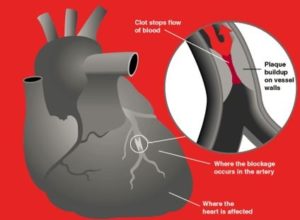
Coronary artery disease is the most common form of heart disease.
This is generally used to describe damage to the heart or circulatory system caused by deposits of plaque in the arteries, or atherosclerosis. The artery walls thicken and become stiff, restricting the flow of blood to and from the rest of the body. The problem is most often caused or exacerbated by smoking, a high-fat diet, excess weight, and a lack of exercise.
Last but not least on our list of heart disease is valvular heart disease which refers to conditions that affect the four valves in the heart.
The condition may be congenital or a complication of diseases such as rheumatic fever. Infections, radiation therapy, and some medications can also damage the valves.
Under the broad term of heart disease, the condition is broken down into different categories for causes of the disease.
The top causes of heart disease for men are:
Coronary artery disease
Congenital heart disease
Arrhythmias
Diseases affecting the valves
Cardiomyopathy
Hardening of the arteries
Heart disease ranks as the number one reason why men die and heart disease can affect men in the prime of life as well as in the senior years.
Having heart disease puts men at greater risk of premature death from a heart attack or stroke regardless of age.
The causes of the various types of heart diseases can stem from diseases such as diabetes, hypertension, family history, to habits such as smoking, sedentary life style and obesity.
To catch heart disease before it causes serious or fatal consequences, there are some steps men can take to improve the health of the heart.
You’ll need to get a complete physical and undergo testing for your doctor to accurately determine your risk or to diagnose your type of heart disease.
You may need to have an electrocardiogram.
If your doctor suspects narrowing of the arteries, he may want you to have an outpatient cardiac catheterization test done.
The treatment for heart disease depends on the type of diagnosis you receive after seeing the doctor.
First, if you don’t exercise, for the sake of having a healthy heart, begin an exercise program.
Carrying excess weight raises your chance of getting heart disease – especially if you have that extra weight around your abdomen.
Lose weight if you don’t have a normal BMI reading.
If you smoke, break the habit. Smoking damages your blood vessels and contributes to the hardening of the arteries.
By quitting smoking and exercising, you can lower your bad cholesterol and your blood pressure, both of which can contribute to the risk of heart disease.
Though the types of heart diseases are different, all types have some universal symptoms in common.
If you have any of the following symptoms, you should be evaluated by your doctor as soon as possible:
Sudden occurrence of irregular heartbeats, dizziness that may come and go, chest pressure, feeling short of breath especially when exerting yourself, fatigue that you can’t seem to shake and fainting.
Some of the symptoms may not occur on a regular basis so remember that if you do notice any unusual symptoms, it could be a sign that your heart is trying to tell you something.
Better heart health does not happen over night or without some effort.
If you strive for better heart health, and we all should, there are some decisions you can make to get you started on the path to better heart health and decrease your risk of heart attacks, strokes and peripheral vascular disease.
The following are 6 tips you can do today to boost your heart health, so you don’t fall victim to heart attacks, strokes, or peripheral vascular disease:
Coronary Artery Disease
1. Look through your pantry.
There are things you can eat that will increase your risk for heart disease, just as there are things you can eat that will reduce your risk of heart disease.
Check your pantry for foods that are high in cholesterol, such as meats, high fat dairy products, and certain processed foods.
Heart Healthy Diet
Processed foods are also high in bad fats, such as trans fats, although the US government has made progress in reducing trans fats in the foods you purchase. Look for foods that are high in dietary sugar and replace them with low sugar foods and foods that contain no sugar.
Instead of red meat, you can choose fatty fish, which are high in omega 3 fatty acids, which are considered heart healthy.
Instead of cakes and cookies, you can satisfy your sweet tooth with whole fruits, which are high in dietary fiber and antioxidants, which have health benefits you can’t get through eating low fiber, high sugar foods.
2. Start an exercise program.
This means getting off the couch and getting out there to do some form of aerobic exercise. Aerobic exercise is particularly good at increasing your heart rate, increasing your respiratory rate, and lowering your blood pressure.
You should aim to exercise in an aerobic exercise about 30 minutes per day on most days of the week.
Tools For Better Heart Health
Aerobic exercises you can do include brisk walking, running, jogging, using a stair-stepper, bicycling, and swimming. Swimming is especially good for people who want to exercise but cannot tolerate the wear and tear on the joints.
You should also consider doing some kind of weight training about two days per week.
Weight training tones muscles and increases your basal metabolic rate so that you can burn calories more effectively, even without exercising.
You should make exercise a family affair so you can do things as a group and reduce all of your family’s risks of heart disease.
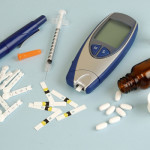
3. Schedule a blood sugar screening.
You can reduce your risk of heart disease by having your blood sugar checked for the presence of diabetes or pre-diabetes.
Monitoring Blood Glucose
Both conditions can be detected by doing a fasting blood test. Values of blood glucose that are between 100 and 125 on a fasting basis mean you have pre-diabetes and should follow your blood sugars more closely so you don’t develop diabetes mellitus.
Fasting blood sugars of 125 or more mean you have diabetes and must do things like lower your blood glucose levels such as eat a low sugar diet, exercise, and take medications to reduce your blood sugar. Diabetes is a risk factor for heart disease but it is a risk factor you can reverse if you follow your doctor’s instructions.
4. Schedule a sleep study.
If you are told that you snore, you may be suffering from sleep apnea, which is a known risk factor for heart disease. When you have sleep apnea, you stop breathing during your sleep and wake up suddenly, gasping for air even though you don’t remember it in the morning.
Sleep apnea will raise your blood pressure during the day, not to mention that it makes you tired during the daytime.
If you are effectively diagnosed with sleep apnea and undergo treatment (which can mean using continuous positive airway pressure or CPAP, or make steps to reduce your weight), you can lessen your risk for heart disease and can have a better quality of life.
5. Reduce your stress level.
Stress will raise your blood pressure and your heart rate, both things that cause you to have an increased risk of stress on your heart.
You can reduce stress by avoiding those things that cause you to be stressed and can learn the art of several stress-reducing practices, including meditation, yoga, tai chi, and qi dong.
Stress Management for Better Health Health
Some of these practices have more benefit to your body besides reducing stress, such as increasing flexibility, strength, and balance.
6. Schedule a cholesterol check.
Cholesterol in your bloodstream can cause a buildup of cholesterol-containing plaques that increase the risk of blood clots that can cause various types of heart disease.
Managing Cholesterol
Know what your cholesterol should be and how to manage it.
Your cholesterol test (Lipid profile) should reveal your total cholesterol, HDL cholesterol, LDL cholesterol and triglycerides. Your goal for total cholesterol should be less than 200.
You can lower your cholesterol by eating foods low in cholesterol and saturated fats, or by taking medication that will lower your cholesterol level.
Your total cholesterol is made up of the HDL (high density lipoprotein) and the higher the better. An HDL less than 35 is a risk factor for developing heart disease (coronary atherosclerosis). Aerobic acitivity, proper dieting, and medication will increase your HDL.
Your LDL (Low density lipoprotein) is responsible for the development of hardening of the arteries. Over time the recommended levels have changed. If you have no risk factors for heart disease your goal should be to get your LDL less than 130. If you have 2 risk factors the goal should be less than 100. If you have diagnosed coronary artery disease your goal should be to get the LDL cholesterol less than 70. Obtaining this level usually will require medication such as the statin drugs.
Triglycerides also are part of the lipid profile and your goal should be less than 150. Some people genetically have elevated triglycerides even if they do not suffer from obesity and diabetes. Exercise, weight loss, and dietary changes will help improve your triglyceride level. Watch your intake of fatty foods, red meats and dairy products.
Now you have 6 tips for better heart health to take action on that will lower your risk of developing heart disease and the long term complications.