Tag: antioxidants

  • 8 Ways To Prevent Mental Decline In Your Older Years

    8 Ways To Prevent Mental Decline In Your Older Years

    There has been a lot of research over the years about the best way to keep a healthy brain as we advance in years. There has been a lot of focus on the health and lifestyle decisions we make that could prevent mental decline and even dementia.

    There are plenty of steps you can take to maintain your cognitive function and beat the mental decline.healthiermind


    1. Get Organized

    journalingissexy
    Living an organized life will make it easier to remember where things are- everything should have it’s place. So, when you arrive home from a long day put your keys in the same place, keep your handbag or wallet in the same spot, and the same goes for the everyday items you use. It’s easy to remember where things are when you always keep them in the same place.


    2. Concentration
    The ability to concentrate declines as we age. It is important to decrease or eliminate distractions to improve your ability to concentrate on the task before you. Seniors need to work harder to shut out distractions. Such as when you open the refrigerator door and you have completely forgotten why you are in there or walking through the grocery store and cannot remember what you came to get. This occurs because something else popped into your brain just as you reached for the handle. Be sure to take a list when going to the grocery store. Too many choices can create distraction and cause you to forget what you came for or make it home with items you really did not need.

    Short term memories are particularly susceptible to slipping away due to distraction. So, start making an effort to focus and concentrate now.

    Studies have shown attention training can alter brain activity, so the aging population can learn to block out distractions in order to improve concentration. There are a growing number of activities, from crossword puzzles to Sudoku, promoted as ways to keep our minds young, Attention training is indeed a way to reduce older adults susceptibility to distracting stimuli and improve concentration.


    3. Challenge Yourself
    Find new ways to challenge your mind. That means playing word games, challenging a loved one to a game of chess, leading an active social life, and learning a new skill such as a language, cooking or playing an instrument.

    Not only will you feel better about yourself, but your brain will get an excellent workout. The social aspect of this is also important, so try to get a lot of your game challenges in person or use a game that has a chat function that allows you to communicate with the person you’re playing against.

    According to Alzheimers.net, one of the most effective ways to prevent dementia is by learning a new language.


    4. Manage Stress
    Short term stress may leave you more focused, sharper, and able to pay more attention. However, chronic stress has the opposite effect and it can interrupt your ability to form memories and recall information.

    Healthy stress management is imperative.

    stressmanagement


    5. Eating Habits
    Your diet is vital, which means getting plenty of vitamins and minerals. Ensure you’re loading up on antioxidants and brain foods like folic acid and omega-3 fatty acids. Your diet can improve your brain health.
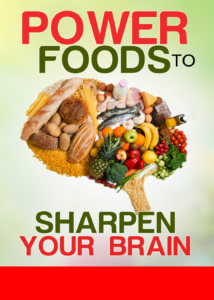
     

    brainfood


    6. Exercise
    Getting exercise provides your circulation with a healthy boost and even improves your cholesterol levels, both of which can benefit your cognitive abilities and circulation.

    It isn’t just your body that needs exercise – so does your memory. You can do that by playing memorization games (you’ll find there’s an app or two for that). A great place to start is by finding a good brain training app that you can use daily – from there you can invest in other apps that offer word games (even Scrabble is a great choice) and number puzzles.exerciseforthebrain

    Change it up every once in a while, so you don’t get used to the same tasks.

    Your brain needs variety.


    7. Sleep
    Your brain processes your day while you sleep, it’s when it consolidates memories and reboots. So, you can do your cognitive function a major favor by getting plenty of sleep each night.

    Create healthy routines around bedtime to prepare your body to catch seven hours.


    8. Weight
    Maintaining a healthy weight is important, additional weight puts pressure on your heart, contributes to hardened arteries, which just makes it harder for your heart to function properly.
    weightlosshabits
    Learning good habits to prevent weight gain

    Obesity often leads to diabetes, which has its own role in your heart health and the health of your nerve cells. So, it makes sense then that people carrying more weight experience steeper mental decline.


    Time points to a study from Northwestern University, the study looks at almost 9,000 women, aged 65 to 79, and found that with every increase in BMI there was a decrease in memory (http://content.time.com/time/health/article/0,8599,2003862,00.html).

    This may be due to a lack of blood flow in smaller vessels creating essentially, mini-strokes that go completely undetected. The damage is cumulative, thus affecting our capabilities progressively.

  • Vitamin C 101

    Vitamin C 101

    Vitamin C, technical name ascorbic acid is a water-soluble vitamin present in certain foods but that can also be obtained through supplementation.

    Humans are different from other animals in that they can’t synthesize the vitamin by their own bodies but must get it elsewhere.

    The Benefits Of Vitamin C

    • We need vitamin C in order to make L-carnitine, collagen and some neurotransmitters.
    • Vitamin C is also involved in the metabolism of protein.
    • We need vitamin C for the formation of collagen that is part of the connective tissue in the body’s organs and plays a role in wound healing.
    • Vitamin C is also a good antioxidant, which makes it good in preventing cancer. It has the important role of regenerating other antioxidants in the body.
    • There is research going on that looks into whether or not vitamin C is definitely linked to its antioxidant properties or whether there is something else going on that makes this a good cancer fighter.
    • Oral vitamin C produces tissue and plasma concentrations that are tightly controlled. As a water-soluble nutrient, it is excreted by the urine.

    Recommended Intake of Vitamin C

    The dietary intake of vitamin C has been set up by the Food and Nutrition Board. It sets up the Daily Reference Intakes for all types of nutrients.

    According to this board, the recommended intake of vitamin C includes the following:
    • Ages 0-6 months, the intake should be 40 mg per day
    • Ages 7-12 months, the intake should be 50 mg per day
    • Ages `1-3 years, the intake should be 15 mg per day
    • Ages 4-8 years, the intake should be 25 mg per day
    • Ages 9-13 years, the intake should be 45 mg per day
    • Ages 14-18, the intake should be 75 mg per day
    • Those who are older than 19 years, the intake should be 75 mg per day

    Food Sources of Vitamin C

    • Some of the best sources for vitamin C are fruits and vegetables.
    • Citrus fruits, tomatoes, and tomato juice, as well as potatoes are good sources of vitamin C.
    • Other foods that will give you vitamin A include red peppers, green peppers, broccoli, kiwifruit, Brussels sprouts, strawberries, and cantaloupe.
    • While vitamin C isn’t found in grains, it is often added to the cereal we eat.

    Prolonged storage and cooking may destroy vitamin C so it is best when eaten with raw fruits.

    The good news is that many of the best food sources of vitamin C, such as vegetables and fruits, are usually eaten raw.

    The following foods are the best sources of vitamin C:

    • Red pepper gives 158 percent of the daily value
    • Orange juice gives 155 percent of the daily value
    • One medium orange gives 117 percent of the daily value
    • Grapefruit juice gives 117 of the daily value
    • Kiwi fruit gives 107 percent of the daily value
    • Green pepper gives 100 percent of the daily value
    • Broccoli gives 85 percent of the daily value
    • Strawberries give 82 percent of the daily value
    • Brussels sprouts give 80 percent of the daily value

    Dietary Supplements

    Dietary supplements of vitamin C can be given. It is given in the form of ascorbic acid, which has the same bioavailability as the naturally occurring kinds of vitamin C eaten in food sources of vitamin C.

    Other forms of vitamin C supplements include calcium ascorbate, sodium ascorbate, ascorbic acid with bioflavonoids, dehydroascorbate, xylonate, threonate, and calcium ascorbate.

    A few research studies using human participants found that the bioavailability is different depending on the form of vitamin C used.

    Other studies have indicated that there are no differences in the bioavailability of the various types of vitamin C. These vitamins are all extremely cheap and can be used to indicate the individual’s vitamin intake.

    Vitamin C Deficiency

    Vitamin C deficiency results in scurvy.

    The timeline for getting scurvy depends on the body’s initial stores of the vitamin in the body to begin with. Signs begin to show up within a month of withdrawing all vitamin C from the diet. Symptoms start out with tiredness, malaise, and other flu-like symptoms.

    As it progresses, the individual can develop gum inflammation, poor healing of soft tissue, petechiae, purpura, poor wound healing, and ecchymosis of the skin.

    Other signs of a deficiency include swollen and bleeding gums, depression, and corkscrew hairs.

Copyright @ 2017 DrCurtisMcElroy