Category: Wellness

  • 10 Reasons To Decrease Sugar From Diet

    10 Reasons to Decrease Sugar from Diet

    It has been several years, since we were told to decrease the salt in our diets.

    Then, we were told to cut back on sugar because researchers linked it to obesity, type-2 diabetes and many complications related to these disorders.
    nomoresugar
                       Eliminating Sugar From Diet

    In 2016, the general advice is to drop sugar from your diet altogether. This is, of course, tricky because many of us have a sweet tooth, thanks to diets that are rich in sugary tastiness. The more sugar we have eaten over the years, the more our body craves it now. It doesn’t help that pastries, cakes, glazed donuts, ice cream and many others seem to be right in our path as we shop with healthy intention for the foods we have been told make up the optimal diet.

    It’s just the way of things are.

    The Huffington Post reported that in the United States, the average person consumes more than 126 grams of sugar daily, which is almost twice the average sugar intake of all 54 countries observed by Euromonitor.

    Additionally, 126 grams is two times more than the recommended daily intake, which the World Health Organization designates to be 50 grams daily for people of normal weight.

    However, eliminating sugar from your diet could save you from myriad health problems in the future.

    But is eliminating sugar from your diet even a practical recommendation. Perhaps a better strategy would be take smaller steps and focus on decreasing your intake of sugar.

    The following are ten reasons why you should consider eliminating or decreasing, significantly, sugar from your diet:

    Depression and Sugar Intake

    sugaranddepression
                           Sugar and Depression

    Sugar is on Prevention’s list of 5 foods that cause depression – and for good reason. Multiple studies have suggested that there is a link between a diet rich in sugar and depression.

    It’s important to remember that the foods you eat don’t just release their nutrients, sugars, and calories into your belly and thighs; they also send them up to your brain.

    Obesity and Sugar Intake

    Sugar has been referred to as the new tobacco.

    Sugar is loaded with empty calories (energy) that your body stores for future use. However, the future use by your body never comes and eventually all that stored energy is converted to fat.

    Blood Pressure and Sugar Intake

    bloodpressure
    Controlling Blood Pressure

    More and more Americans are being diagnosed with high blood pressure, and Mayo Clinic suggest that a poor diet is one of the biggest risk factors.

    The more sugar you eat, the more your bad cholesterol levels can increase resulting in hardening of the arteries which can lead to heart disease and increases in blood pressure

    Heart Disease and Sugar Intake
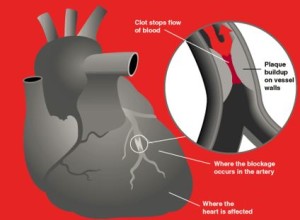
    heartdisease
                                     Heart Disease

    It doesn’t matter how much you weigh, consuming more sugar just increases your chances of developing heart disease and having a heart attack.

    Figures in the past have shown that people who consume 25% more sugar than everyone else have a stronger chance of dying of a heart attack.

    Sugar Is Addictive

    While sugar is not classed as a drug, its effects are similar to heroin. For this reason, sugar is just as addictive as illegal drugs. They hijack the same neural pathways as heroin and cocaine leaving people craving more and more.

    In addition, just like drugs, sugar can easily be abused.

    Sugar Is Linked To Fatty Liver Disease
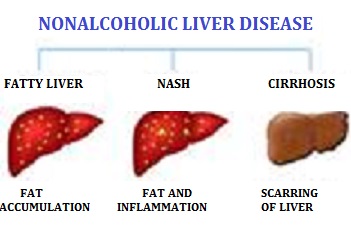
    fattyliver
     FATTY LIVER

    Sugar is largely composed of two simple types of sugars:

    • Fructose
    • Glucose

    Fructose is very much the “evil twin” and heads immediately to your liver. Over time, too much sugar can cause a fatty liver, which, if left untreated, can lead to chronic liver disease or cirrhosis.

    Sugar Is Linked To Diabetes
    causesofdiabetes
         Causes of Diabetes

    No doubt, the biggest connection researchers have made is the one between sugar and diabetes.

    Diabetes happens when your pancreas doesn’t create enough insulin (hormone that helps turn glucose into energy) or the cells of your body are not able to take up glucose to use for energy.

    Type 1 Diabetes occurs when your pancreas does not produce enough insulin.

    Type 2 Diabetes occurs when the cells do not utilize glucose appropriately, due to the development of obesity.

    Sugar Could Cause Cancer

    Although tests are still at their tentative stage, there is some research that suggests sugar could cause certain cancers.

    Sugar Rots Your Teeth

    Although sugar is certainly not the sole reason for oral issues, it can certainly cause some damage to your teeth.

    This is because it leaves behind a trail of debris in your teeth, which, over time, can lead to plaque and ultimately cavity formation.

    You’ll Feel Less Hungry

    Because sugar is so addictive, it just makes you want to eat more and more. Cutting it out from your diet will harmonize your appetite and you’ll no longer feel like a bottomless pit of starvation.

    If you want to optimize your health and the health of your children then start eliminating or at least decreasing sugar from your diet and start living a healthier, longer, more optimal life.


  • How To Gauge Your Wellness After Age 50

    How To Guage Your Wellness After Age 50

    Life changes after we reach fifty. Women go through menopause, there is less bone mass, and an increased risk of cancers and heart disease occur in both men and women.

    Fortunately, there are ways to gauge your wellness after the age of fifty and ways to stay healthy that keep the aging process from accelerating.

    muscularbody
    Muscular Healthy Body

    Eating right after 50

    As one gets older, the role of adequate nutrition takes on a new importance and eating healthy becomes more important. It means eating a low fat, low salt diet containing as many fruits, fiber, and vegetables as possible.
    Eating these foods can lessen the risk of disease related to age, such as stroke, osteoporosis, diabetes, and heart disease, among other age-related diseases.
    You can use your diet to gauge your wellness, as the healthier, it is the healthier and more well you are!

    Protein

    A healthy diet after 50 means taking in more protein. Protein is necessary in order to help improve muscle mass and to maintain the muscle mass you already have. Quality protein that is low in fat includes eggs, fish, salmonpoultry, nuts, lean meats, and dairy and soy products.
    Carbohydrates

    Carbohydrates must be eaten as part of a healthy diet over 50. What you want to eat are complex carbohydrates, which come from eating grains and whole vegetables. Complex carbs are better for you than simple carbs because they contain health fiber, vitamins, and minerals you need for cellular fuel. All carbs are eventually broken down into glucose that enters the cells to provide food for the organelles.

    Healthy Fats

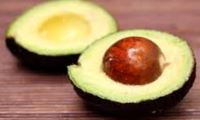
    Healthy fat also provides you with energy. You need to eat more polyunsaturated fats, such as is found in soybean oil and corn oil in order avocadogoodfatto decrease the levels of cholesterol in the blood. You can also eat monounsaturated fats, such as is in nuts, avocados, and olive oil.


    The kinds of fat you want to avoid are the saturated fats, often found in cheeses, shortening, butter, pork, and beef. Eat these types of foods should be eaten less often and should be eaten in small servings, trimming off the visible fats from meats.

    Lower Caloric Intake

    Remember that, because of the aging process, you don’t need as many calories per day when compared to your younger days. Your body also has changes in the natural hormones so that there is more fat around the middle of your waste and a decreased amount of lean muscle mass. If you eat a healthy diet, you can also increase the mineral content in the bones, decrease the risk of diabetes, and decrease the risk of cardiovascular disease.

    Water

    waterforhydration
    H20 For Life

    Water is important as well. You need water to hydrate your tissues and flush out your kidneys. Water will keep wrinkles from forming on your skin and will provide you with that youthful glow. Remember that you need water instead of tea, coffee, and other caffeinated beverages that ultimately dehydrate you.

    Gauging Exercise after 50exerciseafter50

    Many older individuals don’t get enough physical fitness. If you never exercise, this is a good indicator that you may not be aging well, and your health will be affected.

    There are good reasons, why you should take in more exercise.

    These include the following:

    • Exercise can help you feel physically and emotionally better. You are never too out of shape or too aged in order to be more physically active.
    • Decreased physical activity and poor eating habits together comprise the second highest cause of death, behind smoking, in developed countries.
    • Exercising on regular basis can delay or prevent age-related diseases such as heart disease, cancer, and diabetes. It can also help prevent depressive symptoms.
    • Staying active can help improve independence and increase the ability to do activities of daily living.

    You can gauge your fitness levels by seeing how many blocks you can walk without being winded or without having claudication, which is pain in the calves as a result of poor circulation to the legs. If you can walk several blocks without difficulty, your fitness level is generally considered to be

    weighttrainingafter50
    Weight Training after 50

    fairly good.

    You should also engage in weight training or what is known as “anaerobic exercise.” This can help you build or maintain muscle mass so you can be strong and healthy well past your fifties. Weight training can be done a couple of times per week when you are not doing aerobic exercises like walking, swimming, or cycling.

  • Braiding Generations

    _________________________________________________________________________

    Braiding Generations

    A Grandfather Breaks the Code is the story of loss, recovery and one man’s determination to connect his past with the futures of his grandkids.

Copyright @ 2017 DrCurtisMcElroy