Category: Preventative Medicine

  • Preventing The Cold And Flu This Season

    Easy Tips To Help Prevent Colds and Flu This Season to Give You The Edge

    The people who are exposed to germs from flu and colds on a daily basis, such as flight attendants, doctors, teachers, etc. probably know quite a few easy tips on how to avoid catching and even preventing the germs spread from a sneezing child in the classroom or a sick passenger on the flight – many will suggest that you get your seasonal flu shot in order to prevent the bug from taking hold of you.

    But here are some really good tips from those people who are exposed to colds and flu on a daily basis:

    Always wash your hands, and quite often too, because, no matter what line of work you are in, you are coming into contact with people who are contagious to you and you will need to wash your hands over and over again. Even when you are out, and you touch the elevators, the lifts, door handles, you are coming into contact with dangerous germs. It sounds so simple but in fact, soap and water are doctors and nurses around-the-clock companions.

    Try and use hand sanitizers that are alcohol based because if you are not near any soap and water, the sanitizer can kill off the flu and cold germs. That means not getting too close to people who are sick, like not shaking hands.

    Keep your space around you clean – in other words, if you are sick, it is better for you to stay at home. Your job is to heal and not to pass on the germs to other people, particularly if you are really sick.

    Live a healthy lifestyle, as it is important to look after your health. That means getting enough rest and nutrition. Many think these are just old wives tales, but it is really important to get good nutritional food into your system, not to smoke and to keep allergies under control. If you don’t, your upper respiratory tract could become inflamed. This makes you more vulnerable to get a virus.

    Repair your gut because your gut is the gateway to health and almost 80% of your immune system is situated in the gut. That means it needs to be in peak condition. Take a top quality probiotic to keep up good levels of bacteria to fight off infection.

    Go slow on alcohol and sugar consumption because when you consume too much, you suppress the immune system, causing leaky gut. Just moderate alcohol consumption can suppress your central nervous system too which is part of your important immune system.

    Reduce stress because stress suppresses the immune system. Consider things like acupuncture, or yoga, or medication to reduce stress.

    Take an immune booster which contains proteins and immunoglobulins which will boost your body’s line of defense.

    Take supplements of glutathione and turmeric because they are antioxidants, important for the right functioning of the immune function.

    Glutathione is the main antioxidant in the body and is responsible
  • Are There Any Health Benefits of Probiotics

    The Health Benefits of Probiotics

    Most people spend a lot of time trying to get rid of bacteria in their lives, but what if we told you not all bacteria is bad for you? In fact, your body relies on millions of healthy, helpful bacteria to keep you safe and healthy every day. And by giving your body beneficial probiotics, you can improve the population of helpful bacteria inside your body that are necessary for your continued health.

    Eating foods rich in probiotics can not only prevent illness but also treat some disorders and imbalances. Learning which foods are high in probiotics, as well as the benefits these organisms offer to your body, will help you feel better and stay healthier over time.

    Understanding Probiotics

    You have bacteria, yeast, and other microbes all over your body, both inside and out. Luckily, many of those organisms are helpful bacteria that perform vital functions for your cells, tissues, organs, and body systems.

    Probiotics and the beneficial bacteria they support can help:
    • Boost your immune system, allowing you to heal faster from sickness and injury.
    • Prevent infection by stopping hostile bacteria from taking over.
    • Improve your digestion, which allows you to better absorb nutrients from the foods you eat.

    The majority of helpful bacteria in your body live in your gut and keeping your digestive microflora healthy not only aids your digestion but also ensures your immune system is working properly. These two systems are directly linked.

    When you throw off the balance of good versus bad bacteria in your gut, such as when you are sick or when you are taking antibiotics, you need to help your body replenish the friendly bacteria in your system. Eating probiotics can restore this balance, which creates a barrier against harmful microbes.

    Probiotics and Antibiotics

    When you take antibiotics to treat an infection, you not only eliminate the bad bacteria that are making you sick but also the healthy, beneficial bacteria that can make you well. When you take probiotics during and after using antibiotics, you are helping to restore the natural gut microflora that your body needs quickly. This also can help increase the effectiveness of antibiotics, which can help you feel better faster and require fewer and smaller doses of antibiotics in the future.

    Probiotic-Rich Foods

    Foods that are cultured or fermented are good sources of probiotics, as bacteria are what create their flavor and texture. Examples of foods that are high in probiotics include cultured yogurt, miso, tempeh, kefir, buttermilk, sauerkraut, kombucha, kimchi, and natto. While some of these foods have bacteria which grow naturally, some include bacteria that are adding during the preparation process.

    These foods and beverages contain one or more of the following strains of probiotics:
    • Lactobacillus acidophilus
    • Lactobacillus casei
    • Bifidobacterium bifidum
    • Lactobacillus bulgaricus
    • Lactobacillus gasseri
    • Saccharomyces boulardii
    • Lactobacillus plantarum
    • Bifidobacterium lactis
    • Enterococcus faecium
    • Bifidobacterium longum
    Any food that claims to have probiotics should contain at least one of the strains listed here. This is also true for probiotic supplements, so always read the label if you are in doubt.

    Supporting a Probiotic Environment

    In addition to eating foods that contain probiotics, you can create an environment that is supportive of the healthy bacteria in your body. You can start by altering the pH of your digestive system by eating more sour foods. Fermented vegetables and vinegars contain small amounts of probiotic, but their acid content is the most powerful part of their benefits. They contribute to a gut environment that allows probiotics to flourish.

    You can also be sure the bacteria in your system have plenty of fuel by feeding them a high-fiber diet. The fermentable fiber in fresh vegetables, fruits, flax and chia seeds are perfect for giving probiotics the food they need to maintain your healthy bacteria levels.

    Eating Probiotics

    Adding probiotics to your diet is one health move you can make to improve your health. These foods contain beneficial bacteria your body needs to fend off unwanted visitors. Help your body today by including probiotics in your next meal or snack.

  • 8 Ways To Prevent Mental Decline In Your Older Years

    8 Ways To Prevent Mental Decline In Your Older Years

    There has been a lot of research over the years about the best way to keep a healthy brain as we advance in years. There has been a lot of focus on the health and lifestyle decisions we make that could prevent mental decline and even dementia.

    There are plenty of steps you can take to maintain your cognitive function and beat the mental decline.healthiermind


    1. Get Organized

    journalingissexy
    Living an organized life will make it easier to remember where things are- everything should have it’s place. So, when you arrive home from a long day put your keys in the same place, keep your handbag or wallet in the same spot, and the same goes for the everyday items you use. It’s easy to remember where things are when you always keep them in the same place.


    2. Concentration
    The ability to concentrate declines as we age. It is important to decrease or eliminate distractions to improve your ability to concentrate on the task before you. Seniors need to work harder to shut out distractions. Such as when you open the refrigerator door and you have completely forgotten why you are in there or walking through the grocery store and cannot remember what you came to get. This occurs because something else popped into your brain just as you reached for the handle. Be sure to take a list when going to the grocery store. Too many choices can create distraction and cause you to forget what you came for or make it home with items you really did not need.

    Short term memories are particularly susceptible to slipping away due to distraction. So, start making an effort to focus and concentrate now.

    Studies have shown attention training can alter brain activity, so the aging population can learn to block out distractions in order to improve concentration. There are a growing number of activities, from crossword puzzles to Sudoku, promoted as ways to keep our minds young, Attention training is indeed a way to reduce older adults susceptibility to distracting stimuli and improve concentration.


    3. Challenge Yourself
    Find new ways to challenge your mind. That means playing word games, challenging a loved one to a game of chess, leading an active social life, and learning a new skill such as a language, cooking or playing an instrument.

    Not only will you feel better about yourself, but your brain will get an excellent workout. The social aspect of this is also important, so try to get a lot of your game challenges in person or use a game that has a chat function that allows you to communicate with the person you’re playing against.

    According to Alzheimers.net, one of the most effective ways to prevent dementia is by learning a new language.


    4. Manage Stress
    Short term stress may leave you more focused, sharper, and able to pay more attention. However, chronic stress has the opposite effect and it can interrupt your ability to form memories and recall information.

    Healthy stress management is imperative.

    stressmanagement


    5. Eating Habits
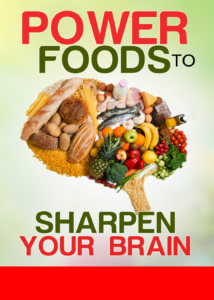
    Your diet is vital, which means getting plenty of vitamins and minerals. Ensure you’re loading up on antioxidants and brain foods like folic acid and omega-3 fatty acids. Your diet can improve your brain health.


    brainfood


    6. Exercise
    Getting exercise provides your circulation with a healthy boost and even improves your cholesterol levels, both of which can benefit your cognitive abilities and circulation.

    It isn’t just your body that needs exercise – so does your memory. You can do that by playing memorization games (you’ll find there’s an app or two for that). A great place to start is by finding a good brain training app that you can use daily – from there you can invest in other apps that offer word games (even Scrabble is a great choice) and number puzzles.exerciseforthebrain

    Change it up every once in a while, so you don’t get used to the same tasks.

    Your brain needs variety.


    7. Sleep
    Your brain processes your day while you sleep, it’s when it consolidates memories and reboots. So, you can do your cognitive function a major favor by getting plenty of sleep each night.

    Create healthy routines around bedtime to prepare your body to catch seven hours.


    8. Weight
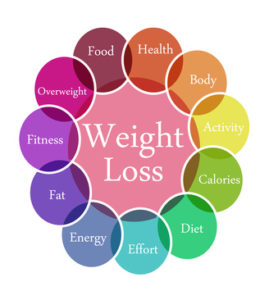
    Maintaining a healthy weight is important, additional weight puts pressure on your heart, contributes to hardened arteries, which just makes it harder for your heart to function properly.

    weightlosshabits
    Learning good habits to prevent weight gain

    Obesity often leads to diabetes, which has its own role in your heart health and the health of your nerve cells. So, it makes sense then that people carrying more weight experience steeper mental decline.


    Time points to a study from Northwestern University, the study looks at almost 9,000 women, aged 65 to 79, and found that with every increase in BMI there was a decrease in memory (http://content.time.com/time/health/article/0,8599,2003862,00.html).

    This may be due to a lack of blood flow in smaller vessels creating essentially, mini-strokes that go completely undetected. The damage is cumulative, thus affecting our capabilities progressively.

Copyright @ 2017 DrCurtisMcElroy