Category: Health

  • 10 Reasons To Decrease Sugar From Diet

    10 Reasons to Decrease Sugar from Diet

    It has been several years, since we were told to decrease the salt in our diets.

    Then, we were told to cut back on sugar because researchers linked it to obesity, type-2 diabetes and many complications related to these disorders.
    nomoresugar
                       Eliminating Sugar From Diet

    In 2016, the general advice is to drop sugar from your diet altogether. This is, of course, tricky because many of us have a sweet tooth, thanks to diets that are rich in sugary tastiness. The more sugar we have eaten over the years, the more our body craves it now. It doesn’t help that pastries, cakes, glazed donuts, ice cream and many others seem to be right in our path as we shop with healthy intention for the foods we have been told make up the optimal diet.

    It’s just the way of things are.

    The Huffington Post reported that in the United States, the average person consumes more than 126 grams of sugar daily, which is almost twice the average sugar intake of all 54 countries observed by Euromonitor.

    Additionally, 126 grams is two times more than the recommended daily intake, which the World Health Organization designates to be 50 grams daily for people of normal weight.

    However, eliminating sugar from your diet could save you from myriad health problems in the future.

    But is eliminating sugar from your diet even a practical recommendation. Perhaps a better strategy would be take smaller steps and focus on decreasing your intake of sugar.

    The following are ten reasons why you should consider eliminating or decreasing, significantly, sugar from your diet:

    Depression and Sugar Intake

    sugaranddepression
                           Sugar and Depression

    Sugar is on Prevention’s list of 5 foods that cause depression – and for good reason. Multiple studies have suggested that there is a link between a diet rich in sugar and depression.

    It’s important to remember that the foods you eat don’t just release their nutrients, sugars, and calories into your belly and thighs; they also send them up to your brain.

    Obesity and Sugar Intake

    Sugar has been referred to as the new tobacco.

    Sugar is loaded with empty calories (energy) that your body stores for future use. However, the future use by your body never comes and eventually all that stored energy is converted to fat.

    Blood Pressure and Sugar Intake

    bloodpressure
    Controlling Blood Pressure

    More and more Americans are being diagnosed with high blood pressure, and Mayo Clinic suggest that a poor diet is one of the biggest risk factors.

    The more sugar you eat, the more your bad cholesterol levels can increase resulting in hardening of the arteries which can lead to heart disease and increases in blood pressure

    Heart Disease and Sugar Intake
    heartdisease
                                     Heart Disease

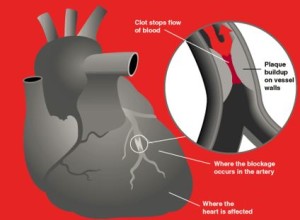
    It doesn’t matter how much you weigh, consuming more sugar just increases your chances of developing heart disease and having a heart attack.

    Figures in the past have shown that people who consume 25% more sugar than everyone else have a stronger chance of dying of a heart attack.

    Sugar Is Addictive

    While sugar is not classed as a drug, its effects are similar to heroin. For this reason, sugar is just as addictive as illegal drugs. They hijack the same neural pathways as heroin and cocaine leaving people craving more and more.

    In addition, just like drugs, sugar can easily be abused.

    Sugar Is Linked To Fatty Liver Disease
    fattyliver
     FATTY LIVER

    Sugar is largely composed of two simple types of sugars:

    • Fructose
    • Glucose

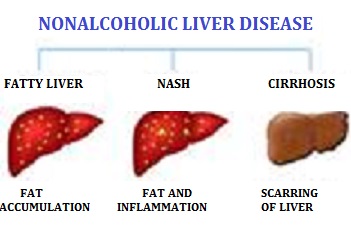
    Fructose is very much the “evil twin” and heads immediately to your liver. Over time, too much sugar can cause a fatty liver, which, if left untreated, can lead to chronic liver disease or cirrhosis.

    Sugar Is Linked To Diabetes
    causesofdiabetes
         Causes of Diabetes

    No doubt, the biggest connection researchers have made is the one between sugar and diabetes.

    Diabetes happens when your pancreas doesn’t create enough insulin (hormone that helps turn glucose into energy) or the cells of your body are not able to take up glucose to use for energy.

    Type 1 Diabetes occurs when your pancreas does not produce enough insulin.

    Type 2 Diabetes occurs when the cells do not utilize glucose appropriately, due to the development of obesity.

    Sugar Could Cause Cancer

    Although tests are still at their tentative stage, there is some research that suggests sugar could cause certain cancers.

    Sugar Rots Your Teeth

    Although sugar is certainly not the sole reason for oral issues, it can certainly cause some damage to your teeth.

    This is because it leaves behind a trail of debris in your teeth, which, over time, can lead to plaque and ultimately cavity formation.

    You’ll Feel Less Hungry

    Because sugar is so addictive, it just makes you want to eat more and more. Cutting it out from your diet will harmonize your appetite and you’ll no longer feel like a bottomless pit of starvation.

    If you want to optimize your health and the health of your children then start eliminating or at least decreasing sugar from your diet and start living a healthier, longer, more optimal life.


  • Preventing Heart Disease In Women

    Preventing Heart Disease In Women

    Heart disease kills more women than breast cancer does, but women seem more frightened about their breast cancer odds. One of the commonly shared myths about heart attacks, heart disease, strokes and other heart health problems is that it’s not as widespread among women as it is men.

    preventingheartdisease
            You can’t mend a broken heart.

    Heart disease kills more women than breast cancer does, but women seem more frightened about their breast cancer odds.

    One of the commonly shared myths about heart attacks, heart disease, strokes and other heart health problems is that it’s not as widespread among women as it is men.

    It’s a myth that women don’t have the same (if not more) risks than a man does when it comes to the heart.

    It’s also a myth that a heart attack can’t happen to a woman at any age.

    Although you can have a heart attack or heart disease without any signs or abnormal lab tests, what you need to know is that as a woman, there are certain risk factors that can target your heart.

    These factors can cause you to end up with heart disease or damage to your heart from a heart attack.

    Maintaining a normal blood pressure is as important for a woman’s heart as it for a man’s heart. High blood pressure is a sign that your heart is working too hard.

    Watching your cholesterol level helps protect your heart. Being proactive, if you don’t have good cholesterol lab results, can help you keep your heart healthier. It’s as important to have good HDL levels as it is to have low LDL levels.

    Get your triglycerides tested. This reading can be a warning sign that all is not well for your heart. The higher these are, the higher your chance of developing heart problems.

    Not keeping your weight at a healthy level increases your chances of heart related problems. For a woman, any extra weight around the mid-section is dangerous for the heart.

    Failing to exercise regularly and living a high stress lifestyle with little time to relax can adversely affect the heart.

    A lack of rest or prolonged periods of insomnia puts stress on the heart.

    One of the signs that your heart may not be at optimal health is if you feel fatigued a lot. Fatigue can be a warning sign that your heart isn’t working well and it can be a warning sign of a looming heart attack.

    If you suffer any unexplained fatigue, then you should be checked out by a doctor.

    Women don’t always get the same heart attack warning signs that men get. For a woman, pressure in the chest doesn’t always occur when a heart attack is happening. Feeling sick to your stomach or having pain between your shoulder blades can be a sign of a heart attack for a woman.

    How can you protect your heart?

    If you’re currently a smoker, then take steps to quit. Smoking puts a lot of stress on your heart and can cause heart disease.

    Lose weight if you’re overweight and exercise regularly.

    Avoid things that can cause your blood pressure to elevate, like eating a diet high in salt and avoid drinking too much alcohol.

  • 21 Ways To Age Better In 2016

    21 Ways To Age Better In 2016

    The proportion of people considered middle or old-aged are increasing every day. The percentage of people older than the age of 65 increased by a factor of 15.1% of the

    agingbetterin2016
    Aging Better In 2016

    population between the years of 2000 to 2010 so that now those older than 65 represent more than 13% of the population, compared to just 4.1% of the population in the year 1900.

    According to the National Institute On Aging, declines in fertility and improvements in longevity across the world will cause the senior population to grow to 1.5 billion by the year 2050, versus the 524 million it was in 2010.

    Fortunately, being 65 doesn’t mean the same thing as it did a century ago and we have found ever-increasing ways to improve the aging process—prolonging life and improving the quality of life. Many of the things we can do to improve our health status and age better than in years past involve lifestyle changes.

    Medicine and doctors alone cannot be responsible for keeping us healthy. It takes a personal commitment and thoughtful consideration toward good health so that we can age better and live healthy lives for decades after age 65. The choice to live healthier into old age begins and ends with you and the personal decisions you make around living healthier.


    Our attitudes toward aging also make a big difference in our overall quality of life in our older years.

    This is an important consideration, because in reality, if you feel old, then you will be.

    Make 21 ways to age better in 2016 part of your healthy lifestyle:

    1. Build and strengthen your muscles. Older people are at risk for muscle atrophy from inactivity. Muscle mass and strength decreases as we age. The more you can do with even mild weight lifting, weight lifting machines and muscle strengthening, the better balance and stability you will have so you can avoid falls and other injuries.
    2. Maintain a healthy weight. Weight gain can lead to a higher risk of heart disease, diabetes, and even some cancers. Even if you are only overweight and not obese, you run the risk of these diseases that are directly attributable to lifestyle. It means eating less and exercising more.
    3. Walk more. A trip around the block or on a treadmill every day can keep your balance and lower body strength up. Walking is also good for your heart and peripheral vascular system.
    4. Practice “functional fitness.” This means doing squats, reaching and bending exercises to increase flexibility. These exercises mimic the everyday activities you do as part of everyday life. Practicing them through exercise will keep you functional for a longer period of time.
    5. Spend time with friends. Consider having a regular gathering with one or more friends to decrease isolation and give you something to look forward to each week. Keeping close ties to friends, helps improve mood and will improve your outlook on life.
    6. Practice puzzles and games. Things like crossword puzzles, Sudoku, and other puzzles will keep your mind sharp so that you don’t lose your mental fitness. Research has shown that older people who continue to challenge their brain will stay mentally sharper—even staving off signs and symptoms of dementia.
    7. Get preventative medical examinations. Many diseases, such as prostate cancer, diabetes, and breast cancer increase with age. Having a personal medical doctor who can remind you to be screened for these diseases can be helpful when it comes to preventing complications and detecting diseases when they are too far advanced to treat.
    8. Check your blood pressure regularly. As one ages, the arteries “harden,” raising the top number or systolic number of the blood pressure over time. This needs to be treated like any other type of high blood pressure. Have your blood pressure checked at the local pharmacy regularly so you can inform your doctor if the blood pressure readings are increasing.
    9. Keep the faith. Keeping up with whatever religious beliefs and practices you have been enjoying through much of your life will give you a sense of serenity that will carry you forward in your older years and can increase your social contacts.
    10. Eat a diet high in plant-based foods. Foods that come from plants such as fruits, vegetables, beans, and legumes are high in protein and complex carbohydrates, as well as antioxidants, which help beat the aging process. Limit the amount of meat you eat to lean cuts only and make sure that most of your diet is from non-meat sources.
    11. Take vitamin supplements. Vitamins specifically made for older adults vital contain antioxidants and nutrients that promote eye and cardiovascular health. A one a day vitamin is usually enough and you can be assured that, even if your diet slips a bit, your vitamin will help make up the difference in nutrition.
    12. Practice yoga. Yoga is an East Asian exercise form that involves doing different poses while meditating and focusing on breathing along with the poses. Yoga is known to increase flexibility and muscle strength. It gives you a sense of peacefulness and serenity to reduce health-harming stress. Yoga also provides about another 100 more benefits for physical, mental, and emotional health.
    13. Practice Tai chi. This ancient Chinese martial art form that has gained in popularity in the US, especially for its health benefits. Tai chi involves performing graceful movements in tune with breathing exercises that can improve mental focus, overall health, flexibility, and muscle strength.
    14. Practice Qigong. This is another ancient Chinese martial art form that is tamer and more health-focused than Tai chi. The goal of qigong is to increase the energy flow of qi (life sustaining energy) in the body so that natural healing of disease can take place. It can be adapted to be used in patients who are not able to walk or even get out of bed.
    15. Use meditative practices. Meditation can be done anywhere and by anyone. It involves progressive muscle relaxation and focusing on the breath. It can involve speaking a mantra, which is a calming syllable that aids the meditative process. It can also involve the use of guided imagery, in which you imagine yourself at a peaceful location of your choice, which facilitates a relaxed state of mind and improves mental and emotional health.
    1. Read more books or newspapers. Reading books will keep your mind sharp because you are doing something interesting and informative. If books aren’t your thing, try reading magazines or newspapers, which can also keep you up to date on things going on in the world or in your areas of interest.
    2. Go to the movies. Movies can be a great escape that can get you out of the house, enjoying the latest in movie entertainment. Popcorn without added butter can be healthy for you and you can enjoy a few handfuls while being entertained, relaxing and reducing stress.
    3. Keep a Journal. Keeping a journal of your life experiences will keep your writing mind sharp and will give you something to look forward to every day. Add to that the fact that it’s a nice memoir to leave for your descendants.
    4. Try a vegan diet. Vegans eat only foods that come from plants and do not eat meat, fish, poultry, eggs, or dairy products. This is a diet high in nutrients and low in calories. Take fish oil supplements as a way to get essential fatty acids not found in most vegan foods.
    5. Quit smoking. Smoking is not only linked to lung cancer but to other cancers, such as bladder cancer, and cardiovascular disorders. It is never too late to quit smoking and prolong your life as a result.
    6. Cut down on alcohol. The latest recommendations are to have no more than one alcoholic beverage per day for women and two alcoholic beverages for men. Try to drink more red wine, which contains antioxidants to help prolong life.

    ———————————————————————————————————————————–

Copyright @ 2017 DrCurtisMcElroy