Category: Kid’s Health

  • Are You Too Old To Lift Weights

    Are You Too Old To Lift Weights?

    Energy levels gradually decrease as we grow older. As a result, most middle-aged individuals and beyond assume that it’s too late to get into weight lifting. That, however, could not be further from the truth!

    toooldtoliftweights

    Not only is it never too late to start lifting weights, but weight training actually becomes more crucial as you age. This is because if done often enough, weight lifting can help reverse or at the very least slow down the loss of muscle mass and bone density that occurs naturally with age.

    What’s more, weight lifting offers a host of other important benefits for older individuals ranging from a boost in strength to increased flexibility and balance to improved health to reduced risk of falls and more. So, if you’re a middle-aged individual or older, you should seriously consider making weight lifting a part of your exercise routine.

    To ensure you get started on the right foot, here are a few pointers on the best and safest way for senior adults to start lifting weights.

    Get Your Doctor’s Approval

    It is always important to check with your doctor before starting a new workout program – more so if you are in the later years of your adulthood. A doctor will be able to determine if you can lift weights regularly without putting your health at risk.

    Consult with a Trainer

    While weight lifting is a great workout option for those advanced in age, it can be dangerous if done using the wrong approach. For this reason, it is highly important that you consult with a trainer before jumping into weight training.

    A trainer will be able to take you through all the various intricacies (i.e. proper form and technique, ideal rest times, complementary warm up routines, suitable diet, and so on) that make up a safe and effective weight lifting workout.

    A trainer can also help you develop a personalized workout plan based on your unique fitness level and overall health.

    Start Slow

    Since weight training is a highly intense physical activity, taking on too much too soon will more than likely lead to injury regardless of your age.

    The risk for injury is however higher for those who are more advanced in age. So, it is essential to start slow and increase workout intensity as strength and fitness improves.

    The trick here is to start with a weight that provides a challenging but comfortable workout and then gradually increase weights as the body grows accustomed to the currently used weights.

    Exercise Regularly

    As with any form of exercise, regular workouts are mandatory to ensuring you get to experience whatever results you are going for. However, since older individuals have a slower recovery rate than their younger counterparts, more rest is required in between workout sessions.

    This therefore creates the need for striking the perfect balance between ensuring effectiveness and proper recovery. According to most fitness experts, 2 to 3 times a week should be enough to keep workouts safe and effective for the much older individuals lifting weights.

    Age is not a factor when it comes to weight lifting as literally anyone (even those as old as 90) can reap the benefits of weight training.

    All that is required is caution and proper planning and execution of a weight lifting regimen.

    With the above tips, you should be able to create a personalized weightlifting plan that ensures both safety and optimum results.
  • Better Heart Health With 6 Simple Tips

    Better Heart Health With 6 Simple Tips

    Better heart health does not happen over night or without some effort.

    If you strive for better heart health, and we all should, there are some decisions you can make to get you started on the path to better heart health and decrease your risk of heart attacks, strokes and peripheral vascular disease.

    betterhearthealth


    The following are 6 tips you can do today to boost your heart health, so you don’t fall victim to heart attacks, strokes, or peripheral vascular disease:

    coronaryarterydisease
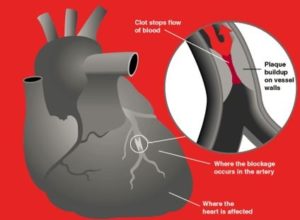
    Coronary Artery Disease


    1. Look through your pantry.

    There are things you can eat that will increase your risk for heart disease, just as there are things you can eat that will reduce your risk of heart disease.

    Check your pantry for foods that are high in cholesterol, such as meats, high fat dairy products, and certain processed foods.

    hearthealthydiet
    Heart Healthy Diet

    Processed foods are also high in bad fats, such as trans fats, although the US government has made progress in reducing trans fats in the foods you purchase. Look for foods that are high in dietary sugar and replace them with low sugar foods and foods that contain no sugar.

    Instead of red meat, you can choose fatty fish, which are high in omega 3 fatty acids, which are considered heart healthy.

    Instead of cakes and cookies, you can satisfy your sweet tooth with whole fruits, which are high in dietary fiber and antioxidants, which have health benefits you can’t get through eating low fiber, high sugar foods.

    2. Start an exercise program.

    This means getting off the couch and getting out there to do some form of aerobic exercise. Aerobic exercise is particularly good at increasing your heart rate, increasing your respiratory rate, and lowering your blood pressure.

    You should aim to exercise in an aerobic exercise about 30 minutes per day on most days of the week.

    toolsforbetterhearthealth
    Tools For Better Heart Health

    Aerobic exercises you can do include brisk walking, running, jogging, using a stair-stepper, bicycling, and swimming. Swimming is especially good for people who want to exercise but cannot tolerate the wear and tear on the joints.

    You should also consider doing some kind of weight training about two days per week.

    Weight training tones muscles and increases your basal metabolic rate so that you can burn calories more effectively, even without exercising.

    You should make exercise a family affair so you can do things as a group and reduce all of your family’s risks of heart disease.

    3. Schedule a blood sugar screening.

    You can reduce your risk of heart disease by having your blood sugar checked for the presence of diabetes or pre-diabetes.

    bloodglucosemonitors
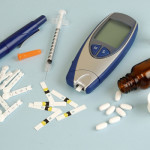
    Monitoring Blood Glucose

    Both conditions can be detected by doing a fasting blood test. Values of blood glucose that are between 100 and 125 on a fasting basis mean you have pre-diabetes and should follow your blood sugars more closely so you don’t develop diabetes mellitus.

    Fasting blood sugars of 125 or more mean you have diabetes and must do things like lower your blood glucose levels such as eat a low sugar diet, exercise, and take medications to reduce your blood sugar. Diabetes is a risk factor for heart disease but it is a risk factor you can reverse if you follow your doctor’s instructions.

    4. Schedule a sleep study.

    If you are told that you snore, you may be suffering from sleep apnea, which is a known risk factor for heart disease. When you have sleep apnea, you stop breathing during your sleep and wake up suddenly, gasping for air even though you don’t remember it in the morning.

    Sleep apnea will raise your blood pressure during the day, not to mention that it makes you tired during the daytime.

    If you are effectively diagnosed with sleep apnea and undergo treatment (which can mean using continuous positive airway pressure or CPAP, or make steps to reduce your weight), you can lessen your risk for heart disease and can have a better quality of life.

    5. Reduce your stress level.

    Stress will raise your blood pressure and your heart rate, both things that cause you to have an increased risk of stress on your heart.

    You can reduce stress by avoiding those things that cause you to be stressed and can learn the art of several stress-reducing practices, including meditation, yoga, tai chi, and qi dong.

    stressmanagement
    Stress Management for Better Health Health

    Some of these practices have more benefit to your body besides reducing stress, such as increasing flexibility, strength, and balance.


    6. Schedule a cholesterol check.

    Cholesterol in your bloodstream can cause a buildup of cholesterol-containing plaques that increase the risk of blood clots that can cause various types of heart disease.

    managingcholesterol
    Managing Cholesterol

    Know what your cholesterol should be and how to manage it.

    Your cholesterol test (Lipid profile) should reveal your total cholesterol, HDL cholesterol, LDL cholesterol and triglycerides. Your goal for total cholesterol should be less than 200.


    You can lower your cholesterol by eating foods low in cholesterol and saturated fats, or by taking medication that will lower your cholesterol level.

    Your total cholesterol is made up of the HDL (high density lipoprotein) and the higher the better. An HDL less than 35 is a risk factor for developing heart disease (coronary atherosclerosis). Aerobic acitivity, proper dieting, and medication will increase your HDL.

    Your LDL (Low density lipoprotein) is responsible for the development of hardening of the arteries. Over time the recommended levels have changed. If you have no risk factors for heart disease your goal should be to get your LDL less than 130. If you have 2 risk factors the goal should be less than 100. If you have diagnosed coronary artery disease your goal should be to get the LDL cholesterol less than 70. Obtaining this level usually will require medication such as the statin drugs.

    Triglycerides also are part of the lipid profile and your goal should be less than 150. Some people genetically have elevated triglycerides even if they do not suffer from obesity and diabetes. Exercise, weight loss, and dietary changes will help improve your triglyceride level. Watch your intake of fatty foods, red meats and dairy products.

    Now you have 6 tips for better heart health to take action on that will lower your risk of developing heart disease and the long term complications.

  • 10 Natural Remedies For Summer Bug Bites

    10 Natural Remedies For Summer Bug Bites

    Summer is the time of year when people are out soaking up sun and engaging in fun outdoor activities such as hiking, biking, swimming, taking trips to the beach and exploring other parts of nature.

    While the warm air, sunny skies, free time may be just what the doctor ordered, summer is also a time when people are most susceptible to bug bites.

    While virtually harmless, bug bites can be troublesome and painful, too. They can show up just about anywhere on the body and can leave you feeling itchy and sore for days or even weeks, not to mention the unsightly scars they can leave behind.

    There are plenty of ointments, creams, and sprays available to prevent and treat summer bug bites, but they’re often filled with harsh chemicals that could harm you in the future.

    For those who don’t want to suffer from their bug bites but also want to avoid chemical treatments, there are natural remedies to try that get the job done well.

    Try These Natural Remedies

    1. Witch Hazel:

    Witch hazel is a natural astringent, which means it helps to kill bacteria. Some people use witch hazel for acne and blemishes, but it is also incredibly effective for itchy bug bites. Simply soak a cotton ball with witch hazel and daub the affected area. It should relieve pain and itching and also reduce any swelling and inflammation. Witch hazel can be found in your local grocery.

    2. Ice (Packs):

    It may sound simple, but a common ice back can help soothe and heal summer bug bites. To tackle the swelling and itching that may occur from bites, stings, and rashes, apply a homemade ice pack. The best way to do this without causing harm is discomfort is to put some ice in a plastic baggy (or frozen veggies), wrap the pack in a towel, and apply directly to the affected area.

    The towel should help the skin from getting too cold too quickly, which can lead to pain and further injury. Just the right amount of cold therapy can reduce swelling and soothe itching.

    3. Tea Tree Oil:

    Refreshing and fragrant, tea tree oil is a great for treating itchy, swollen insect bites. Only a little bit of this oil is needed; simply dip a Q-tip or soak a cotton ball and apply directly to the bite. This remedy should take away the itch and pain of most summer bug bites.

    4. Corn Starch:

    Corn starch is one of the most common natural remedies out there. You can make a thick corn starch paste by simply mixing the starch with water and mixing well. Once the mixture is done, apply to the bite or sting and wait for the itch to disappear!

    5. Lemon Juice:

    Fresh juice from a recently cut lemon is a great way to treat painful stings and bites. Cut a slice and place over the bite. It may sting a little at first but the Vitamin C present in this citrus fruit will help reduce pain and promote healing.

    6. Garlic:

    It may sound strange, but garlic is a wonderful way to stop painful insect bites. Simply mash the clove of garlic and rub it directly into the bite. The pain should instantly go away and any swelling should be reduced as well. You may mind the smell, but this one is a quick fix!

    7. Toothpaste:

    For both bug bites and pimples, toothpaste is an effective treatment option. Safe and gentle, toothpaste can dry out inflamed bug bites and reduce swelling. White toothpaste is best, but any type you use can do the trick.

    8. Mustard:

    For poisonous bites and stings, mustard can help draw out any toxins fairly quickly. Ordinary yellow mustard can reduce pain and swelling as well and help the bite heal much more quickly.

    9. Charcoal:

    Pure charcoal can help remove impurities from a summer bug bite by drawing out toxins and venom. Mix the charcoal with a little water until it creates a fine paste. Once done, rub the paste into the bite, then cover with a band aid, and allow it to heal. This should remedy both itching and swelling fairly quickly.

    10. Mud:

    That’s right! Mud is another remedy that is perfect if your bite occurs while out at the beach or when camping. This all natural remedy helps stop itching and swelling and creates a sort of natural band aid to protect the bite from further irritants. When rubbed into the bite, it brings relief very quickly.


Copyright @ 2017 DrCurtisMcElroy