Category: Depression

  • Self Care Coping Strategies for ‘Cabin Fever’ or Self-Isolation

    Self Care Coping Strategies for ‘Cabin Fever’ or Self-Isolation

    There are times when you may find yourself isolated at home, and you may begin to start feeling like you are going to go crazy if you don’t get out. This has been termed as suffering from ‘cabin fever.’

    There are many reasons why you can be stuck indoors. It may be when you are sick and need time to recover. It may be to protect you from getting sick, such as from a virus outbreak, where people are asked to self-isolate in order to either not become affected, or to not infect others.

    The problem is boredom can set in, and your social isolation can hit you. Cabin fever is a condition that affects your mental and physical health in many ways.

    How do you know if you are suffering from cabin fever? Here are the symptoms that can be experienced.

    ” You are easily irritated.
    ” Your patience is short.
    ” You feel restless.
    ” You feel lethargic.
    ” You have unusual food cravings.
    ” You feel hopeless.
    ” You either gain or lose weight unexpectedly.
    ” You can’t concentrate.
    ” You don’t feel motivated to do anything.

    When you experience a few of these signs, it’s time you re-evaluate your self-care. Taking care of your health is essential when you have to stay at home for an extended period of time, whether by choice or necessity.

    Your Self Care Coping Strategies

    Here are some of the coping strategies you can use to help deal with cabin fever.

    ” Get Some Sunshine

    If you’ve been stuck at home for quite a while more than you normally would, you probably aren’t getting enough sunshine. To avoid cabin fever, you should get outside every day. Get some sunlight in your backyard. If you have a balcony, you can spend some time there.

    Or, if you have a window facing the sunrise, that will do too – spend a few minutes in the morning getting your dose of vitamin D. Darkness and lack of sunlight will restrict your vitamin D levels and can mess with your hormones, which makes cabin fever worse.

    ” Engage In A Hobby

    If you’re going to stay at home for a while, it’s a perfect time to do your hobby or start a new one, or engage in interests that you couldn’t do before, because you didn’t have any spare time. Do some knitting, painting, gardening, cooking, writing, playing board games, and playing with your kids. Get your creative juices flowing – it’s a good exercise for the brain too!

    ” Do Some Stretching

    When you’re stuck at home, your tendency is probably to sleep late and wake up late, binge on Netflix and other TV shows, stay glued to your mobile phone, and scroll endlessly on your social media feeds. Get off the couch now and do some stretching.

    A workout routine indoors doesn’t have to be complicated, and there are plenty of exercises you can do that don’t need gym equipment. When you stay active, your blood will flow properly throughout your body and boost the levels of feel-good hormones.

    ” Relax and Enjoy Some Quiet Time

    Now, you don’t always have to be up and about and all-out busy trying to be productive while staying at home. Doing so can make you overstimulated and overwhelmed. That’s why spending some quiet time for yourself is necessary. Set aside a time when you can meditate, practice mindfulness, and just relax your mind. Solitude can do wonders for the mind and body, so don’t ignore creating some quiet time.

    Staying at home doesn’t have to be depressing, boring, or frustrating. You actually have more time to reconnect with yourself and do the things you’ve wanted to do but couldn’t find a way to squeeze them into your busy schedule. Prevent cabin fever by following the suggestions above and enjoy some at-home self-care!

  • Dealing With Depression When You Are A Man

    Signs Of Depression In Men And What to do About It

    Cultures around the world have long considered men to be permanently stoic and emotionless. Research has revealed that this misconception is often forced upon men at childhood, leaving them with very few tools to deal with their emotions. Recent studies have also shown that depression in men is far more common than previously known, and that it affects men from all ethnic, financial, and educational backgrounds. Due to societal norms, men have been found to be far more adept at hiding their emotional state, making diagnosis much more challenging. In the following article we’ll be looking at some of the signs of depression in men, and what can be done about them.

    Stress

    Men have been known to report stress rather than depression, either out of unawareness, or because it is more socially acceptable to report their negative experience as stress. This phenomena contributes heavily to the difficulty in determining if a man has depression.

    Sleep problems

    Problems with sleep patterns may emerge when a man has depression. In most normal cases, a person may feel sad for a few days, but in cases of major depression, symptoms appear and can last for weeks. Another one of the most common symptoms is loss of sleep or irregular sleep patterns.

    Stomachache or backache

    Sometimes depression can manifest itself in physical ways. One signal that the symptom is depression related, is that the symptom cannot be detected or treated in the usual ways. This is commonly true of depression based aches and pains.

    Difficulty Concentrating

    Studies have shown that cognitive function is heavily influenced by depression. It is common for the person with depression to have a hard time concentrating on even the most familiar tasks.

    What You Can Do

    Seek Professional Help

    Speaking with a professional that has experience with depression can help you to find solutions. A doctor may suggest medications or therapy to help you to sort out, or get to the root of what is causing the depression. Medications can cause side effects that could give you a new set of issues, so it’s import to weigh these options carefully with your doctor.

    Exercise

    It has been known for a long time that exercise can be a way to manage depression. Although it may be difficult, having a good workout can release endorphins that can chemically ease the feelings caused by depression.

  • Can Your Diet Affect Depression

    Can Your Diet Affect Depression

    The following article discusses 7 foods and nutrients that can help in the managingdepressionmanagement of depression.

    Depression is a mental illness that can greatly reduce a person’s quality of life. When depressed, you may find it difficult to function on a daily basis due to feelings of worthlessness, hopelessness or guilt. Treatment for depression is a complicated and sometimes long process that involves medications and therapy. Therefore, it is wise to visit a doctor if you think you’re suffering from depression.

    When depressed, you may find it difficult to function on a daily basis due to feelings of worthlessness, hopelessness or guilt. Treatment for depression is a complicated and sometimes long process that involves medications and therapy. Therefore, it is wise to visit a doctor if you think you’re suffering from depression.

    depressionandhealth
    Depression and your health.

    Treatment for depression is a complicated and sometimes long process that involves medications and therapy. Therefore, it is wise to visit a doctor if you think you’re suffering from depression.

    However, there are some things you can do to help or event prevent depression. One overlooked method is through nutrition. Nutrition experts and researchers have found that what we eat can have both a positive and negative impact on our mood. Here are 7 foods that are shown to help:

    Nutrition is an overlooked way of managing depression. Nutrition experts and researchers have found that what we eat can have both a positive and negative impact on our mood. Here are 7 foods that are shown to help:

    Nutrition experts and researchers have found that what we eat can have both a positive and negative impact on our mood. Here are 7 foods that are shown to help:

    The following are 7 foods that may help in preventing or managing depression:

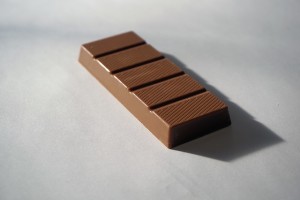
    #1: Chocolate

    This is arguably one of the most popular “comfort snacks” that people indulge in after having a bad day. However, there is scientific evidence that suggests eating chocolate in moderation can actually make you feel better.

    chocolate

    One study done in the Netherlands found that men aged between 64 and 85 who consumed cocoa regularly experienced lower blood pressure than those who did not. Another reason chocolate has been found to have a calming effect is how its nutrients interact with the brain.

    Dark chocolate triggers release of endorphins, the neuropeptides that reduce stress and induce feelings of euphoria. As a result, indulging in a few bars of chocolate once or twice per week can be a great way to boost your mood and still stay on track with your target weight goals.

    #2: Berries

    Berries are known for their high levels of antioxidants. Antioxidant foods provide a wide range of health benefits, one of which is promoting a better sense of well-being. The Journal of Nutritional and Environmental Medicine published a study, which documented

    berries

    The Journal of Nutritional and Environmental Medicine published a study, which documented treatment of patients with antioxidants and placebos over a period of two years.

    Patients treated with antioxidants had lower depression scores than those in the placebo group.

    Blueberries, strawberries, blackberries and raspberries are not only rich in antioxidants but also good sources of vitamin C.

    This nutrient has shown to be helpful in reducing levels of Cortisol, the body’s stress hormone. Therefore, including berries in your diet can help you stay calm or at least help prevent stress from advancing into full-blown depression.

    #3: Complex Carbohydrates

    Carbohydrates trigger the release of serotonin, the mood-lifting neurotransmitter produced in our brains.

    If you eat ample amounts of carbs, this helps to induce a sense of contentment throughout the day. Sugary and processed foods are not good sources of carbohydrates since they will only cause blood sugar levels to fluctuate, which in turn cause mood swings.

    Instead, opt for complex carbs from whole grains, fruits and vegetables, which metabolize at a slower rate and keep blood sugar balanced. Complex carbs also provide a steady release of glucose for energy conversion, which in turn helps to combat fatigue, one of the common symptoms of depression.

    #4: Tryptophan

    Tryptophan is an amino acid that plays a critical role in the production of serotonin, the neurotransmitter responsible for making us feel content.

    Nutrition researchers have linked low serotonin levels with anxiety, depression, fatigue and even insomnia. To ensure that your body is making enough serotonin, ensure to eat foods that are rich in tryptophan such as eggs, milk, cheese, beef, lean chicken, turkey, spinach, pumpkins, nuts, and peas.

    #5: Omega 3 Fatty Acids

    Omega-3 fatty acids help to treat a wide range of health conditions. The main benefit of these nutrients is improved brain function.

    The association between omega-3 and depression is especially evident in communities that don’t eat enough of these healthy fats, in which case, depressive disorder rates tend to be high.

    salmon

    Seafood such as tuna, salmons, sardines, herring and rainbow trout are rich sources of omega-3 fatty acids. Besides fish, omega-3 can be found in walnuts as well as flax, hemp and chia seeds.

    #6: B Vitamins

    One Spanish study that involved 5,459 women and 4,211 men found that rates of depression tended to rise among test subjects who got less B12 vitamins in their diet regardless of gender. Researchers are not sure whether

    Researchers are not sure whether lack of B vitamins causes depression or depression leads people to eat poorly. In any case, B vitamins are considered anti-stress nutrients that help to reduce anxiety and even treat symptoms of depression.

    Nutrition experts have found that folic acid (vitamin B9), niacin (vitamin B3), and pyridoxine (vitamin B6) support the amino acid tryptophan to manufacture serotonin, the “feel good” chemical.

    To prevent depression with the help of B vitamins, ensure to include legumes, nuts, whole grains, leafy greens vegetables, milk, eggs, red meat, and chicken in your diet.

    #7: Vitamin D and Selenium

    Selenium is an essential trace mineral found in lean meats, nuts, beans, seafood and whole grains.

    Several studies have linked deficiencies of this mineral and vitamin D with depression. You can get free vitamin D while basking in the sun, but other excellent food sources include milk, tofu, and fish.

    Can You Eat Your Way to a Better State of Mind?


    While there is a growing body of scientific evidence that suggests certain foods can uplift mood, using nutrition to fight depression might not work for everyone.

    brain wired

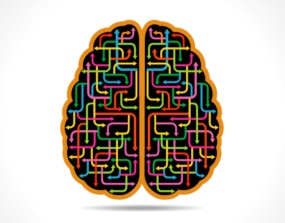
    Depression may be caused by many different factors that range from the way your brain is wired, to financial problems, a stressful lifestyle, and health issues, to loneliness, loss of a loved one or early childhood trauma.

    If trying to prevent this disorder through nutrition does not work, consult a psychiatrist in order to identify the cause of depression and best ways to deal with it.

Copyright @ 2017 DrCurtisMcElroy