Category: Aging

  • Exercise After 50- What You Should Be Doing

    What Exercise Should You Be Doing After 50

    The mistake many make is stopping exercise altogether as they age.

    This is one of the worst things you can do to your body at a time when exercise is needed more than ever.

    The aging process hastens breakdown of muscle and connective tissue, and can leave you immobile if you sit there and do nothing about it.

    Already over 50?

    It is never too late to start improving your health with exercise.

    The following are exercises you should be incorporating into your fitness plan:

    Aerobics

    Aerobics, also known as cardio or cardiovascular exercise, is important at any point of life, but even more so as we get older.aerobicexercise
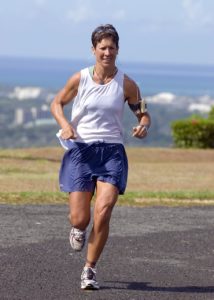
    Aerobic exercise plays an important part in maintaining the health of various organ systems, including the heart, lungs and brain.

    Though there are many different types of aerobic exercise, it is best to start with a low-impact variety, to safeguard the safety of the joints until it is established that you can handle more.


    Be sure to include the following types of aerobics:
    • Swimming
    • Cycling (including stationary bikes)
    • Walking
    • Jogging

    Strength Training

    Far too many people associate strength training with becoming a bodybuilder or some other strong man type of athlete, but in reality your body needs resistance to stay functional.

    People that weight train regularly, especially older persons, have a greatly decreased risk of fractures, pain, and immobility due to muscle atrophy.

    You need to perform at least basic strength training, which entails using your bodyweight. Added resistance is good, but do it only when you feel you are capable.weighttraining
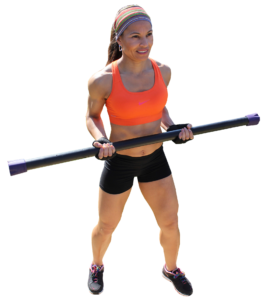
    Be sure to include the following movements into your regime:
    • Squats
    • Bench presses
    • Push ups
    • Pull up/ assisted pull ups
    • Lat pull downs shoulder presses
    • Deadlifts / hyperextensions
    • Triceps presses
    • Dumbbell curls

    If you have preexisting joint issues, you can substitute one exercise with another. For example, removing the squat and using leg extensions instead.strengthtraining
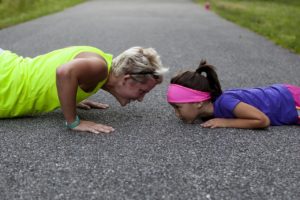
    Flexibility Training

    The single most underrated aspect of any training program has got to be the flexibility component. The reasons are simple enough to understand, after all, you don’t see any immediate benefit to doing it, so why should you? But there’s another way to look at flexibility training- as insurance.flexibilitytraining
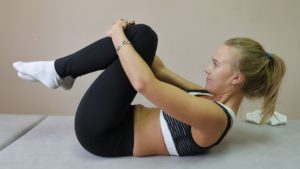
    Think of flexibility training as the insurance that safeguards you in the eventuality of the worst outcome, in this case immobility or injury.


    Flexibility training has numerous benefits on a body aged over 50, such as:

    Decreases Pain Following Training- part of the reason muscles and joints ache after a workout is because of an inability of muscles to elongate back, or when they do they place undue stress on connective tissue.
    Promotes Balance- loss of balance occurs frequently as we age, due in large part to loss of muscle mass, but also to stiff connective tissue. Flexibility training can significantly help you maintain balance as you age.

    Include these in your flexibility training to reap the benefits:

    Dynamic Stretches- these are stretches performed prior to your workout to get the muscle and connective tissue loose and ready for activity. This significantly helps to reduce the risk of injury during an active workout set.stretching

    Static Stretches- these are stretches performed after working out a muscle group, to relieve muscle tension. Static stretches help stretch the muscle fibers and reduce pain after your workout.

    Conclusion

    Maintaining the integrity of the joints, heart and muscles requires incorporating some aspects of all the exercises listed above.

    Staying mobile will definitely contribute to optimal health and longevity in the future.

  • 5 Tips For Beating The Aging Process

    5 Tips For Beating The Aging Process

    Aging is inevitable.

    No matter how hard we try, it will catch up with us eventuality, but that does not mean that you have to sit back and let it prematurely take your youth away.

    No, there are things you can do starting right now to beat the aging process, and maintain your youthful looks and vigor well into an age nobody will be able to guess!

    These tips are extremely simple- there’s no magic pill here.

    Read on to find out the five keys tips you should be doing:

    Sleep More

    Sleeping is one of life’s simple pleasures, and something that should come naturally to everyone.

    However, more than half of the USA’s adult population is chronically sleep deprived, in the sense that they get less than the recommended 8-9 hours nightly, many days running.bettersleephabits

    Sleep is the one thing that everyone has going for them, since it is the hit reset button for your body.

    During sleep, repair ensues, so that proteins in skin are fixed, hormone production is ramped up, and the process of rebuilding in general.

    Chronic sleep deficiency inhibits the ability of the body to fix structural defects, including in DNA, which can accelerate greying of hair, wrinkling of skin and deterioration of organs.

    Eat Your Veggies

    Eat lots of vegetables. It doesn’t really matter which, but include a variety of different ones, as each bring something different to the table.veggies

    Most vegetables are extremely low calories, making them perfect for bulk at mealtimes, as you can eat a lot, and not get a lot of calories.

    In addition, vegetables are full of fiber, which keep intestinal and colon health on point, as well as tons of anti-oxidants, vitamin and minerals, which fend off free radicals and compounds that damage DNA and promote aging.

    Avoid High Risk Habits

    Sure, watching TV late into the night is a bad hobby, and it is damaging, but it is not bad in the sense we are referring to.

    What we are talking about is related to drinking, smoking and eating junk food.smokingman

    Excessive alcohol consumption places undue stress on the liver. The role of the liver is to remove toxins from the body, and routine alcohol consumption can make it difficult to do it’s job effectively.


    The accumulation of toxins is bad for health, and accelerates the aging process.

    Smoking, on the other hand is worse in many aspects.

    Smoking has negative effects on the lungs, blood vessels, heart, blood pressure and skin. smoking can age you 25 years in just 5 years.

    Smoking can age you 25 years in just 5 years.

    Nutrient delivery suffers, so skin ages and wrinkles far sooner than it should, and you increase the risk of dying from complications of the lung including chronic obstructive pulmonary disease, emphysema, recurrent infections and lung cancer.

    Stay Happy

    We don’t expect you to be euphoric all day long, but being happy has proven benefits over being sad, or pouty.

    This can be explained by endorphins, feel good chemicals produced in the brain that boost mood, reduce heart rate and blood pressure, and reduce stress levels as well.

    happywoman

    Practicing mindfulness meditation is one of the best ways to develop your appreciation of the little things in life, and improve your happiness and outlook not to mention the fact that frowning just speeds up development of wrinkles and fine lines!


    Weight Train

    A little jogging or cycling is good during any point of life, but in order to diminish the effects of aging, weight training is a must.weighttraining

    Not only does muscle help you fill out your clothing, but it can also help prevent skin from sagging, wrinkling, or your posture from stooping.

    Nothing screams old like a hunched back and sagging skin, but luckily, weight lifting can delay this for years to come, not only that, but your overall mobility will be kept in check, and you will look great, so hit the weights!

  • 21 Ways To Age Better In 2016

    21 Ways To Age Better In 2016

    The proportion of people considered middle or old-aged are increasing every day. The percentage of people older than the age of 65 increased by a factor of 15.1% of the

    agingbetterin2016
    Aging Better In 2016

    population between the years of 2000 to 2010 so that now those older than 65 represent more than 13% of the population, compared to just 4.1% of the population in the year 1900.

    According to the National Institute On Aging, declines in fertility and improvements in longevity across the world will cause the senior population to grow to 1.5 billion by the year 2050, versus the 524 million it was in 2010.

    Fortunately, being 65 doesn’t mean the same thing as it did a century ago and we have found ever-increasing ways to improve the aging process—prolonging life and improving the quality of life. Many of the things we can do to improve our health status and age better than in years past involve lifestyle changes.

    Medicine and doctors alone cannot be responsible for keeping us healthy. It takes a personal commitment and thoughtful consideration toward good health so that we can age better and live healthy lives for decades after age 65. The choice to live healthier into old age begins and ends with you and the personal decisions you make around living healthier.


    Our attitudes toward aging also make a big difference in our overall quality of life in our older years.

    This is an important consideration, because in reality, if you feel old, then you will be.

    Make 21 ways to age better in 2016 part of your healthy lifestyle:

    1. Build and strengthen your muscles. Older people are at risk for muscle atrophy from inactivity. Muscle mass and strength decreases as we age. The more you can do with even mild weight lifting, weight lifting machines and muscle strengthening, the better balance and stability you will have so you can avoid falls and other injuries.
    2. Maintain a healthy weight. Weight gain can lead to a higher risk of heart disease, diabetes, and even some cancers. Even if you are only overweight and not obese, you run the risk of these diseases that are directly attributable to lifestyle. It means eating less and exercising more.
    3. Walk more. A trip around the block or on a treadmill every day can keep your balance and lower body strength up. Walking is also good for your heart and peripheral vascular system.
    4. Practice “functional fitness.” This means doing squats, reaching and bending exercises to increase flexibility. These exercises mimic the everyday activities you do as part of everyday life. Practicing them through exercise will keep you functional for a longer period of time.
    5. Spend time with friends. Consider having a regular gathering with one or more friends to decrease isolation and give you something to look forward to each week. Keeping close ties to friends, helps improve mood and will improve your outlook on life.
    6. Practice puzzles and games. Things like crossword puzzles, Sudoku, and other puzzles will keep your mind sharp so that you don’t lose your mental fitness. Research has shown that older people who continue to challenge their brain will stay mentally sharper—even staving off signs and symptoms of dementia.
    7. Get preventative medical examinations. Many diseases, such as prostate cancer, diabetes, and breast cancer increase with age. Having a personal medical doctor who can remind you to be screened for these diseases can be helpful when it comes to preventing complications and detecting diseases when they are too far advanced to treat.
    8. Check your blood pressure regularly. As one ages, the arteries “harden,” raising the top number or systolic number of the blood pressure over time. This needs to be treated like any other type of high blood pressure. Have your blood pressure checked at the local pharmacy regularly so you can inform your doctor if the blood pressure readings are increasing.
    9. Keep the faith. Keeping up with whatever religious beliefs and practices you have been enjoying through much of your life will give you a sense of serenity that will carry you forward in your older years and can increase your social contacts.
    10. Eat a diet high in plant-based foods. Foods that come from plants such as fruits, vegetables, beans, and legumes are high in protein and complex carbohydrates, as well as antioxidants, which help beat the aging process. Limit the amount of meat you eat to lean cuts only and make sure that most of your diet is from non-meat sources.
    11. Take vitamin supplements. Vitamins specifically made for older adults vital contain antioxidants and nutrients that promote eye and cardiovascular health. A one a day vitamin is usually enough and you can be assured that, even if your diet slips a bit, your vitamin will help make up the difference in nutrition.
    12. Practice yoga. Yoga is an East Asian exercise form that involves doing different poses while meditating and focusing on breathing along with the poses. Yoga is known to increase flexibility and muscle strength. It gives you a sense of peacefulness and serenity to reduce health-harming stress. Yoga also provides about another 100 more benefits for physical, mental, and emotional health.
    13. Practice Tai chi. This ancient Chinese martial art form that has gained in popularity in the US, especially for its health benefits. Tai chi involves performing graceful movements in tune with breathing exercises that can improve mental focus, overall health, flexibility, and muscle strength.
    14. Practice Qigong. This is another ancient Chinese martial art form that is tamer and more health-focused than Tai chi. The goal of qigong is to increase the energy flow of qi (life sustaining energy) in the body so that natural healing of disease can take place. It can be adapted to be used in patients who are not able to walk or even get out of bed.
    15. Use meditative practices. Meditation can be done anywhere and by anyone. It involves progressive muscle relaxation and focusing on the breath. It can involve speaking a mantra, which is a calming syllable that aids the meditative process. It can also involve the use of guided imagery, in which you imagine yourself at a peaceful location of your choice, which facilitates a relaxed state of mind and improves mental and emotional health.
    1. Read more books or newspapers. Reading books will keep your mind sharp because you are doing something interesting and informative. If books aren’t your thing, try reading magazines or newspapers, which can also keep you up to date on things going on in the world or in your areas of interest.
    2. Go to the movies. Movies can be a great escape that can get you out of the house, enjoying the latest in movie entertainment. Popcorn without added butter can be healthy for you and you can enjoy a few handfuls while being entertained, relaxing and reducing stress.
    3. Keep a Journal. Keeping a journal of your life experiences will keep your writing mind sharp and will give you something to look forward to every day. Add to that the fact that it’s a nice memoir to leave for your descendants.
    4. Try a vegan diet. Vegans eat only foods that come from plants and do not eat meat, fish, poultry, eggs, or dairy products. This is a diet high in nutrients and low in calories. Take fish oil supplements as a way to get essential fatty acids not found in most vegan foods.
    5. Quit smoking. Smoking is not only linked to lung cancer but to other cancers, such as bladder cancer, and cardiovascular disorders. It is never too late to quit smoking and prolong your life as a result.
    6. Cut down on alcohol. The latest recommendations are to have no more than one alcoholic beverage per day for women and two alcoholic beverages for men. Try to drink more red wine, which contains antioxidants to help prolong life.

    ———————————————————————————————————————————–

Copyright @ 2017 DrCurtisMcElroy